buzzfeed Press
47 Times Someone Found A Weird Mysterious Object, And The Internet Identified It
Images
1 / 20
2 / 20

3 / 20
4 / 20
5 / 20
6 / 20
7 / 20
8 / 20
9 / 20
10 / 20
11 / 20
12 / 20
13 / 20
14 / 20
15 / 20
16 / 20
17 / 20
18 / 20
19 / 20
20 / 20
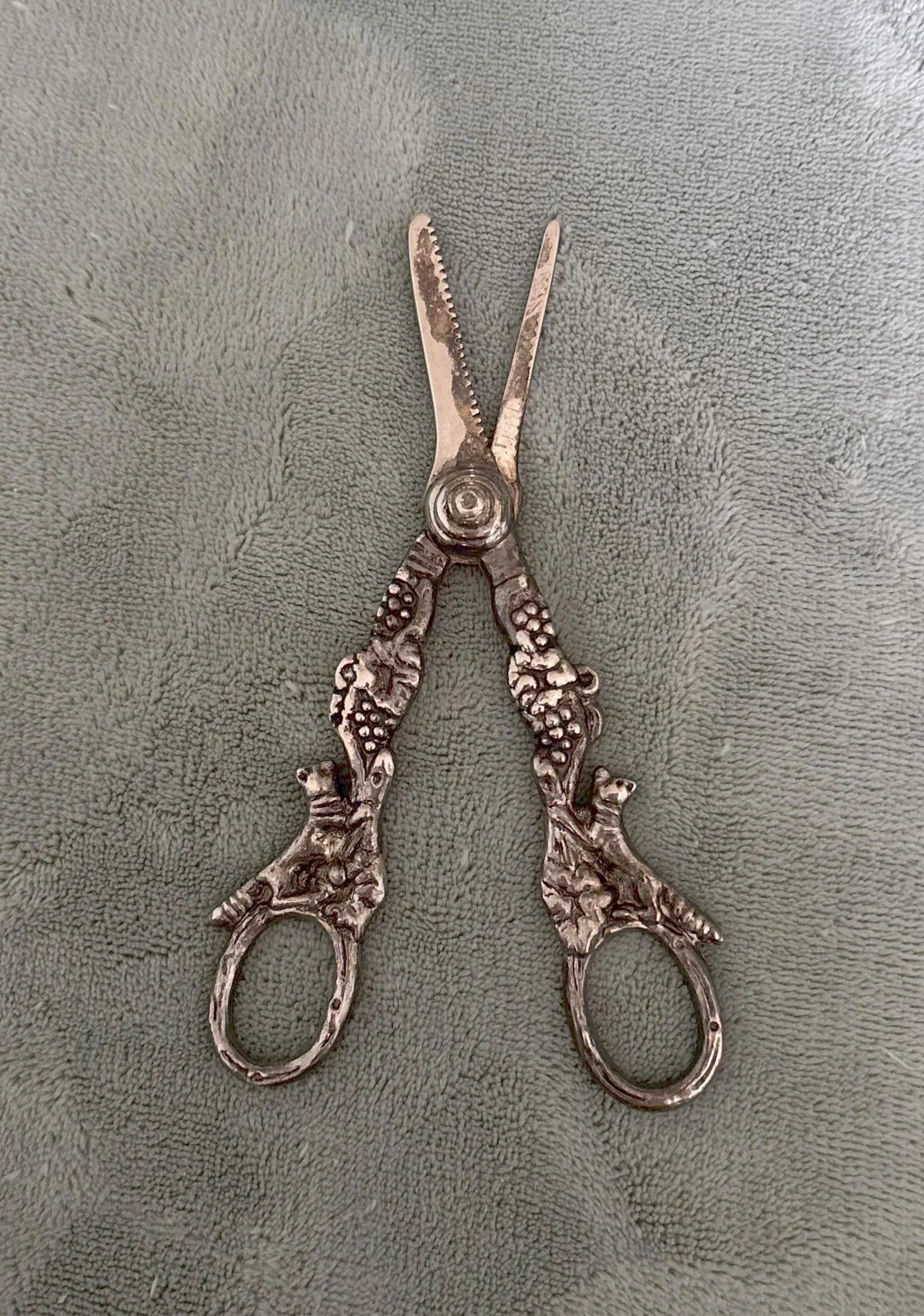
I need to go on a picnic with a pair of fancy Victorian grape shears.

As a Resident Writer here at BuzzFeed, I cover topics like politics, weird history, tech, trending viral stories, and other various corners of the internet.

"It's this [Vintage Australian Dollar Keychain]."

"I used to have a whole set of these, with Fijian currency on them. It's for tourists, so they have some hope of not getting ripped off with counterfeit notes while in the country. They also make good souvenirs or gifts for when the tourist gets home."

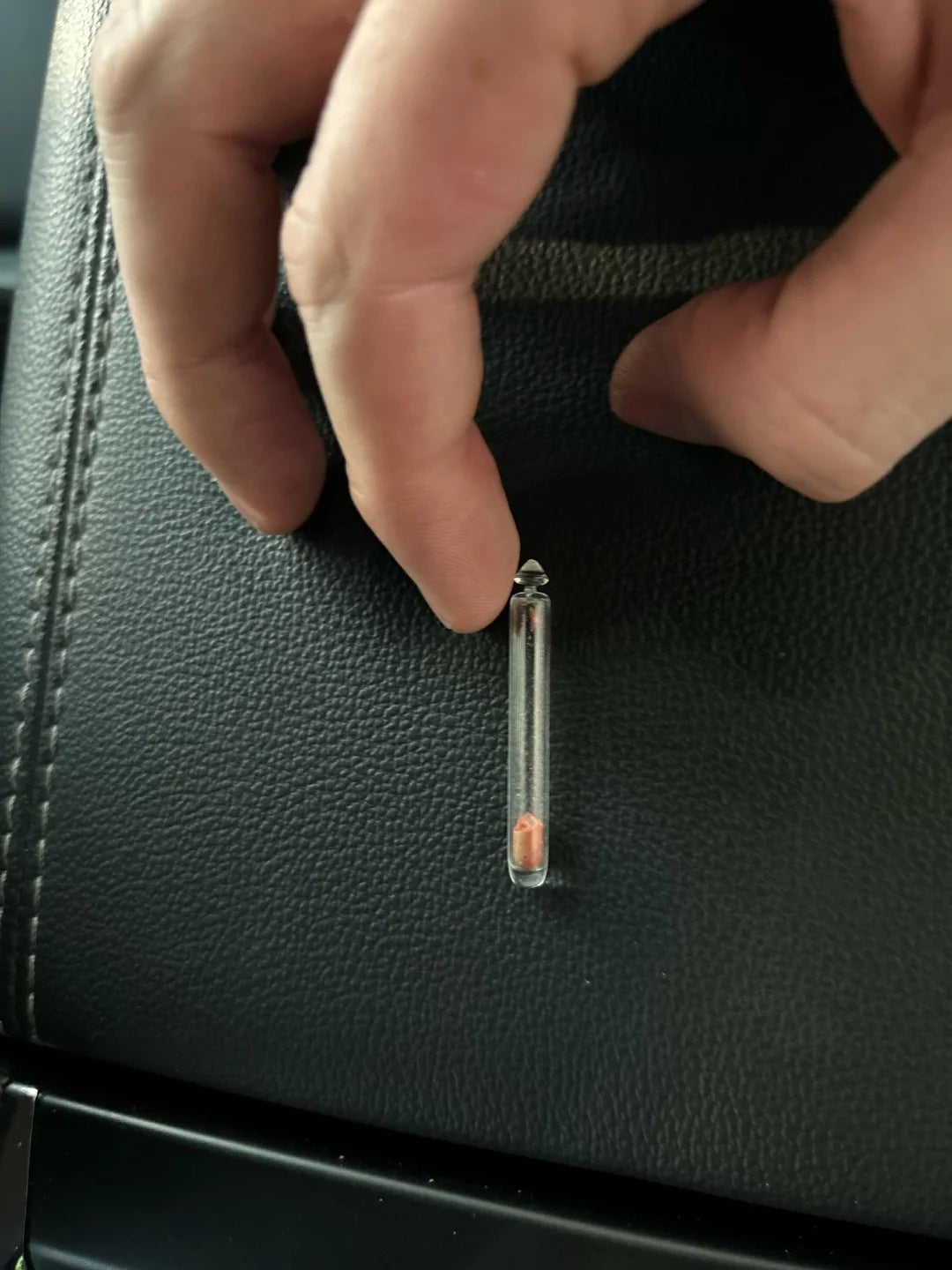
"Careful, those are pyrotechnics — cartridges for either a pen-flare or a 'bear banger.' The gold bit under the plastic safety cap is the primer."

"That's an older style of pistol flare. Like this, but it screws into the top of the 'pen' instead of slotting in. I can't find the picture I had of the British army issue version. What country are you in? Do they have a pen-like attachment with them? The legality of them alters dramatically depending on your location and what you have."

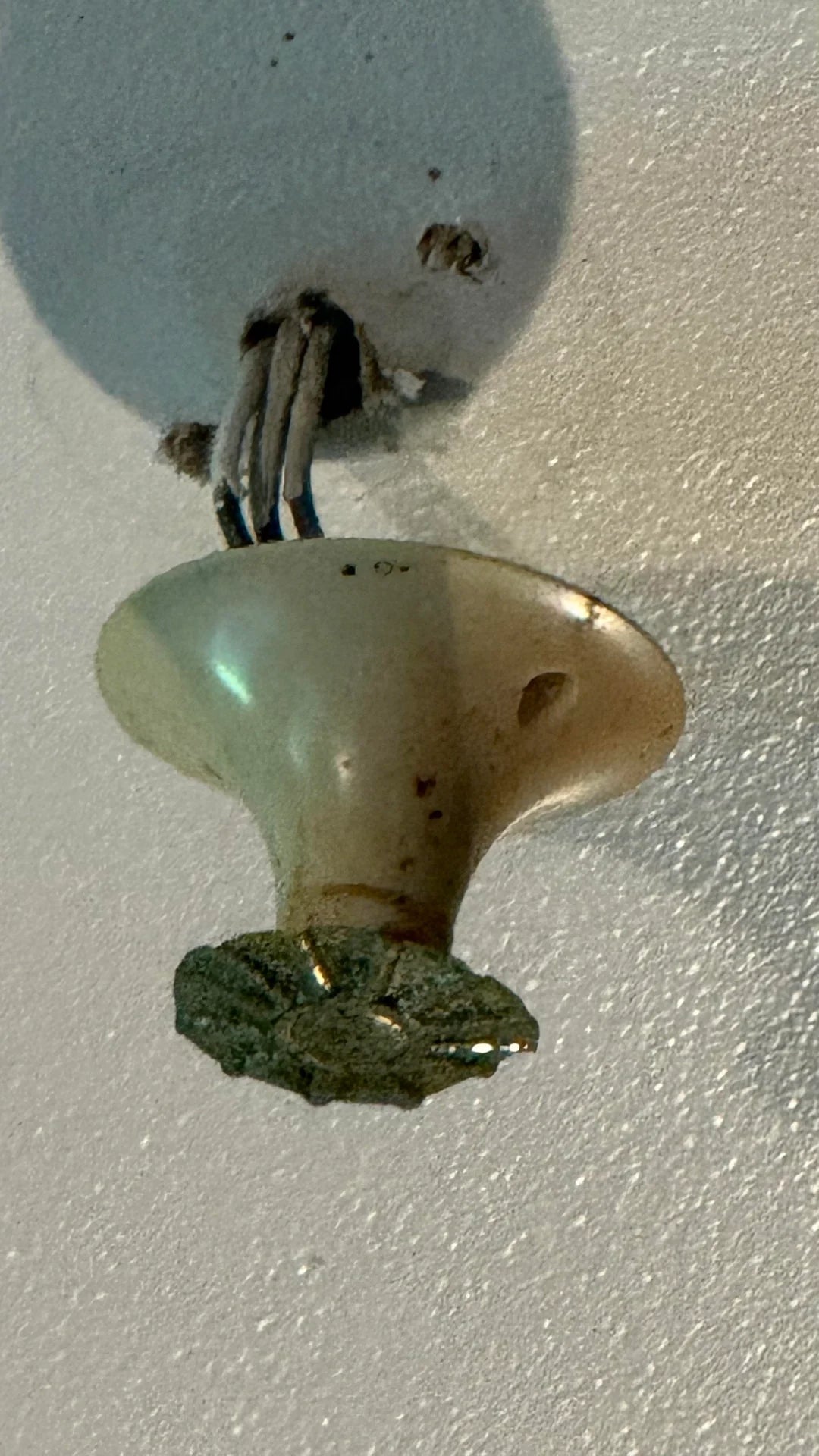
"It's an old-school heat detection alarm. Before smoke, it was looking for heat. That diffuser band is meant to capture radiant heat to trigger the sensor."

"Dictograph FG-135 heat detector. Likely part of an old security system and fire system. It should be replaced now as it is over 40 years old and is well out of its service life."

"The Pelota Mixteca glove, known as a 'guante,' is a heavy, elaborately decorated glove made of layered rawhide and tanned leather, reinforced with hundreds of round-headed nails hammered into the striking surface, used in the ancient Mesoamerican ball game of Pelota Mixteca. These gloves are custom-made for each player, considering their position, size, and playing style, and can weigh between seven and 12 pounds."

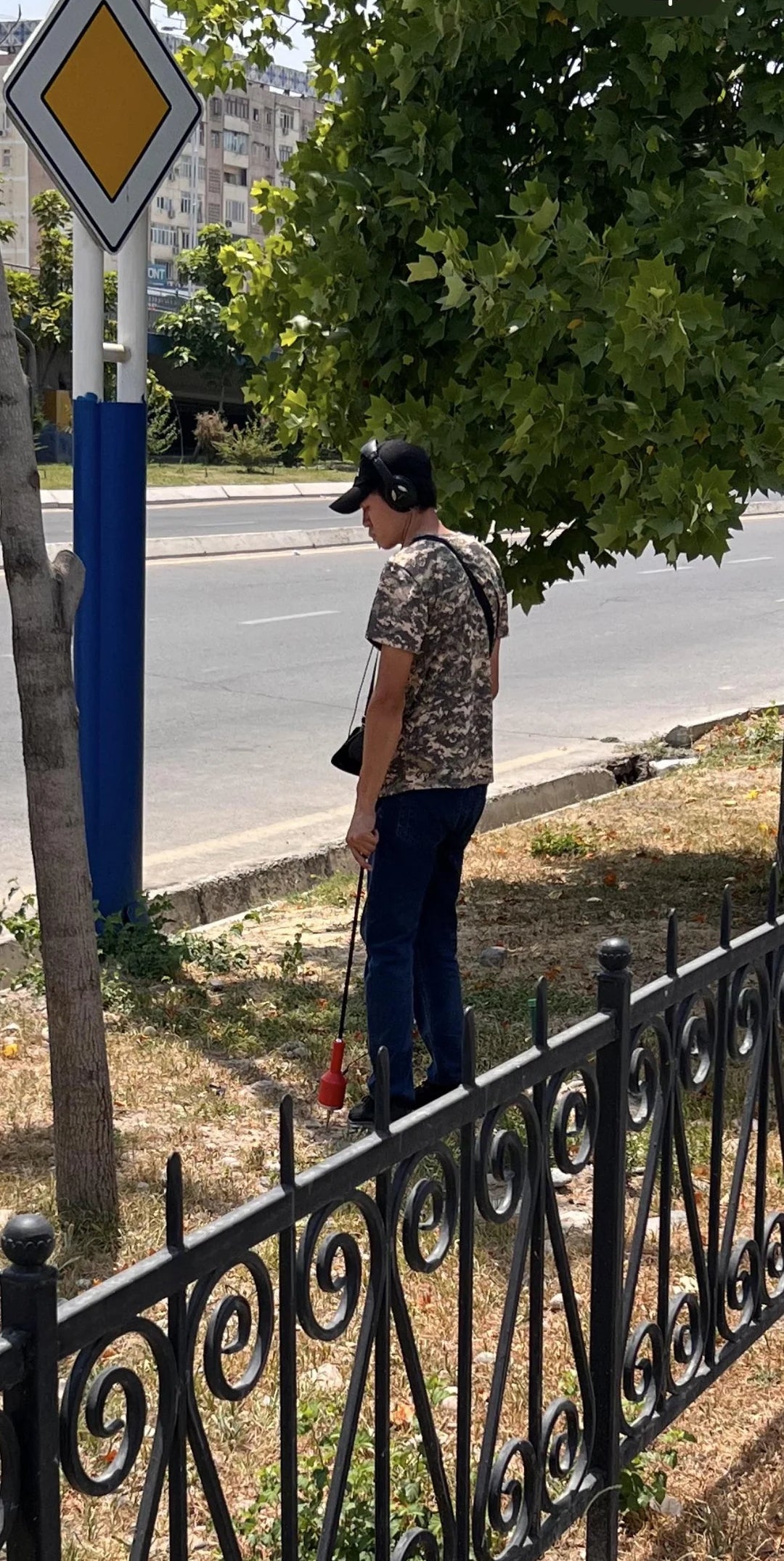
"This is a type of geophone, used to detect water leaks. It's like a giant stethoscope for the ground. You put the probe on the ground, and you hear it in the headphones; you'll be able to hear leaks, and can pinpoint them by how loud it is. It can also be used to locate waterlines/pipes when used with a knocker, which is just a device that taps the pipe, and you can hear it through the headphones. I used to do residential waterline repair, and have used this same device, as well as other leak detection devices."

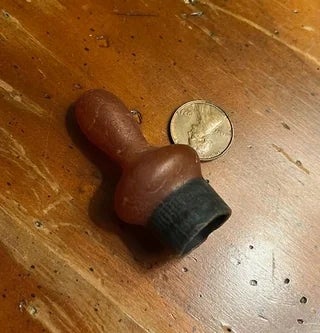
"Spindle from a cotton-picking machine. Often used by surveyors as property markers."

"Super old baby bottle nipple; I can’t believe it survived that long."

"That is a Frankoma Pottery bug zapper in 'Desert Gold' glaze."

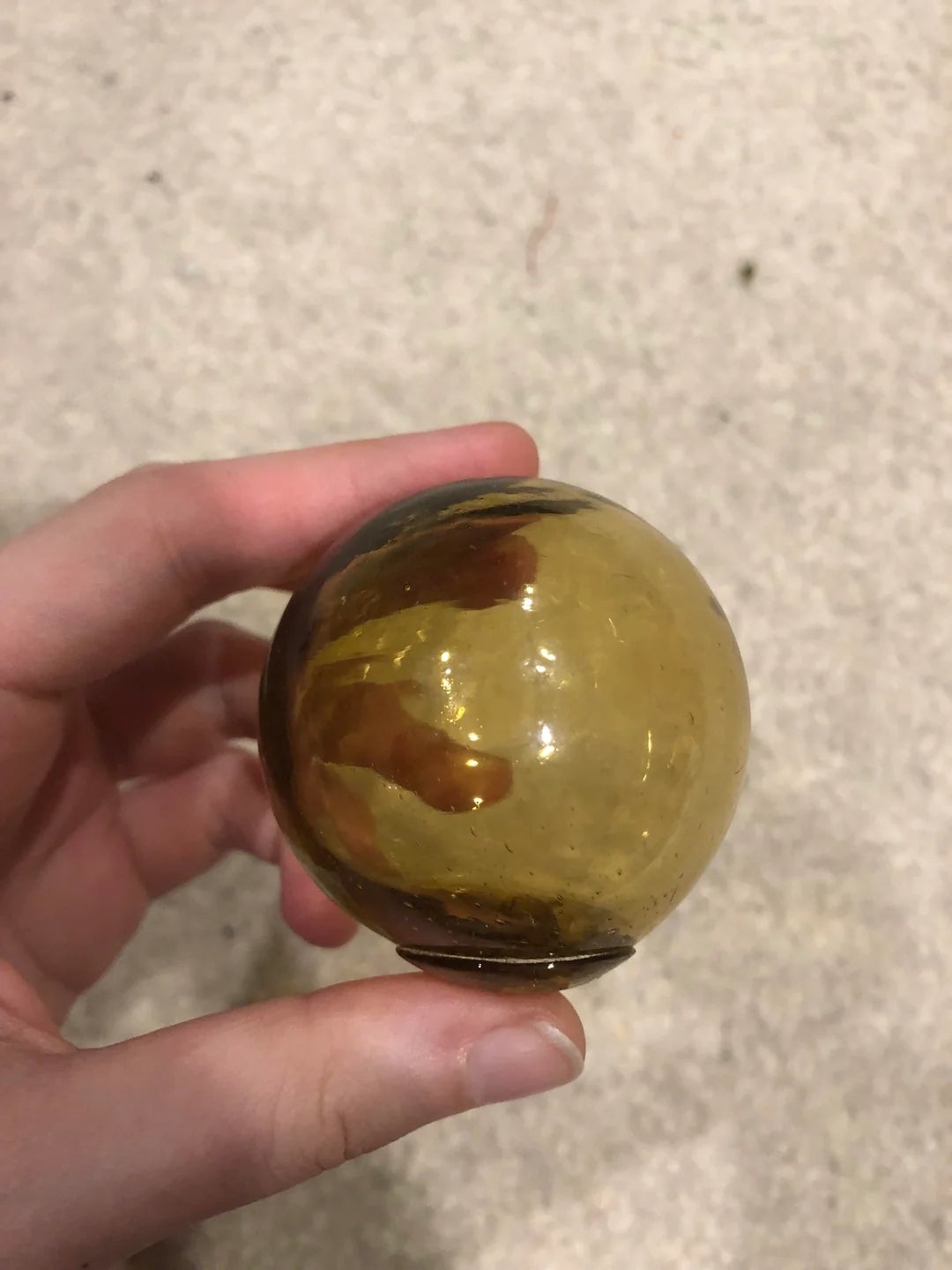
"A word of caution: Be careful not to break these. The glass is molten when they are blown and sealed, so the air inside is very hot. When they cool, the air inside contracts so there is a partial vacuum. The cooled glass is also under tension from cooling. Break the glass, and it implodes into thousands of glass shards. At least the very large one knocked off a shelf in a fish restaurant I was at did that."

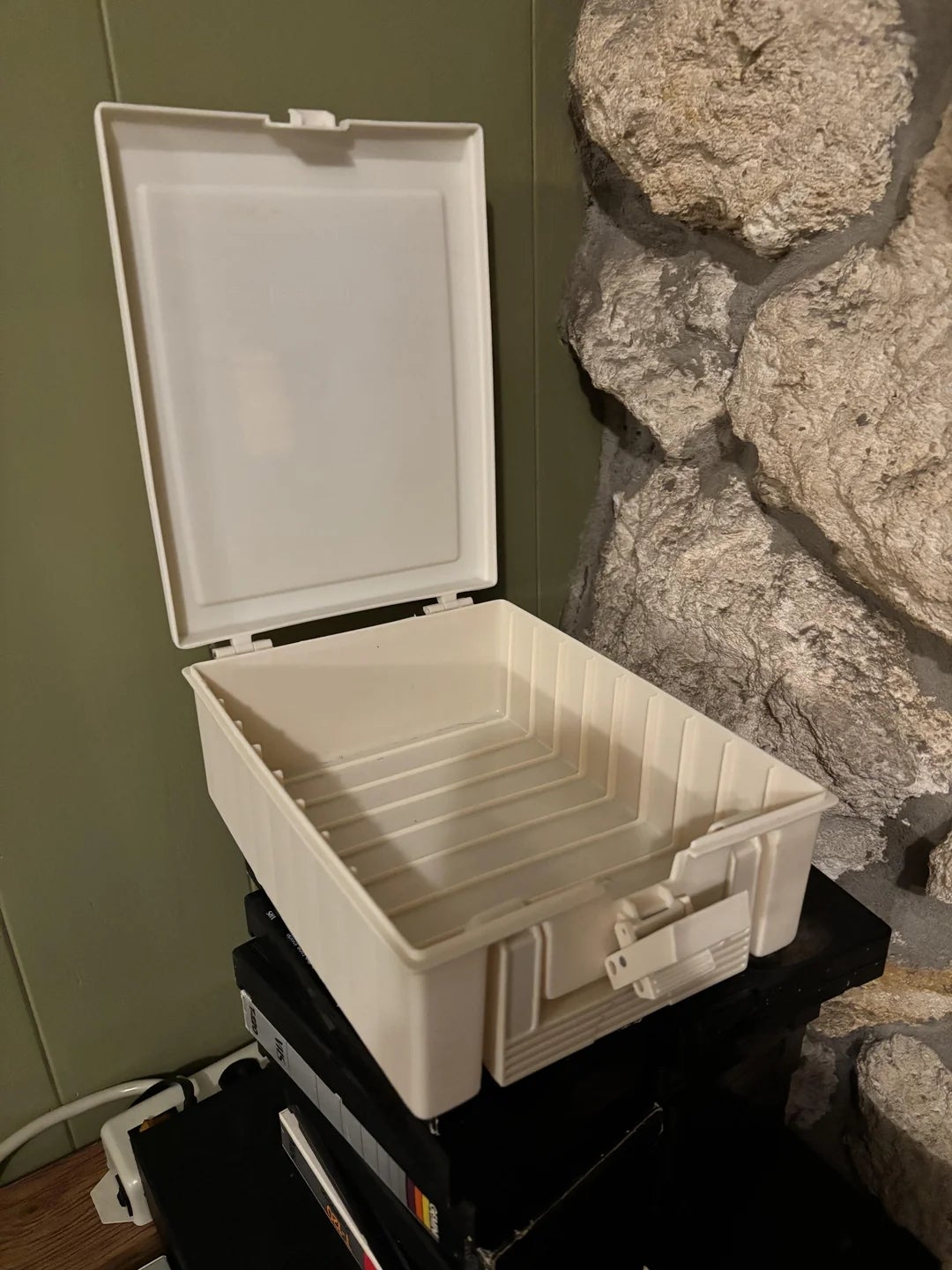
"From the '50s through the '80s, you could buy stereoscopic slide film cameras. The camera had two lenses, set as far apart as the lenses on your viewer, so as far apart as your eyes are on your face. Each shot would produce two slides that would look identical if you viewed them separately, but if you put them into a viewer, they would appear just as if you had witnessed the scene with your own eyes. It was a really cool technology that just didn't make it. The 3D is better than anything a computer can do now."

"Looks like it could be part of an 'ahooga' horn for a 1920s car. A toothed plunger or electric motor turns the gear train, and the triangular toothed wheel rubs on a metal diaphragm bolted between the flange shown and a horn to project and amplify the sound. The plunger would be guided in the square die-cast hole."

"I have one of those car horns in working order! That's exactly what this piece is."

"Those ridges in the rim on top look like those on ashtrays to place a cigarette. The height of the pedestal, next to the straw chair, is at the right height for an ashtray stand. Here's an example."

"Looks like an ashtray, turned on a lathe."

"It is a cake server; this shape is not uncommon."

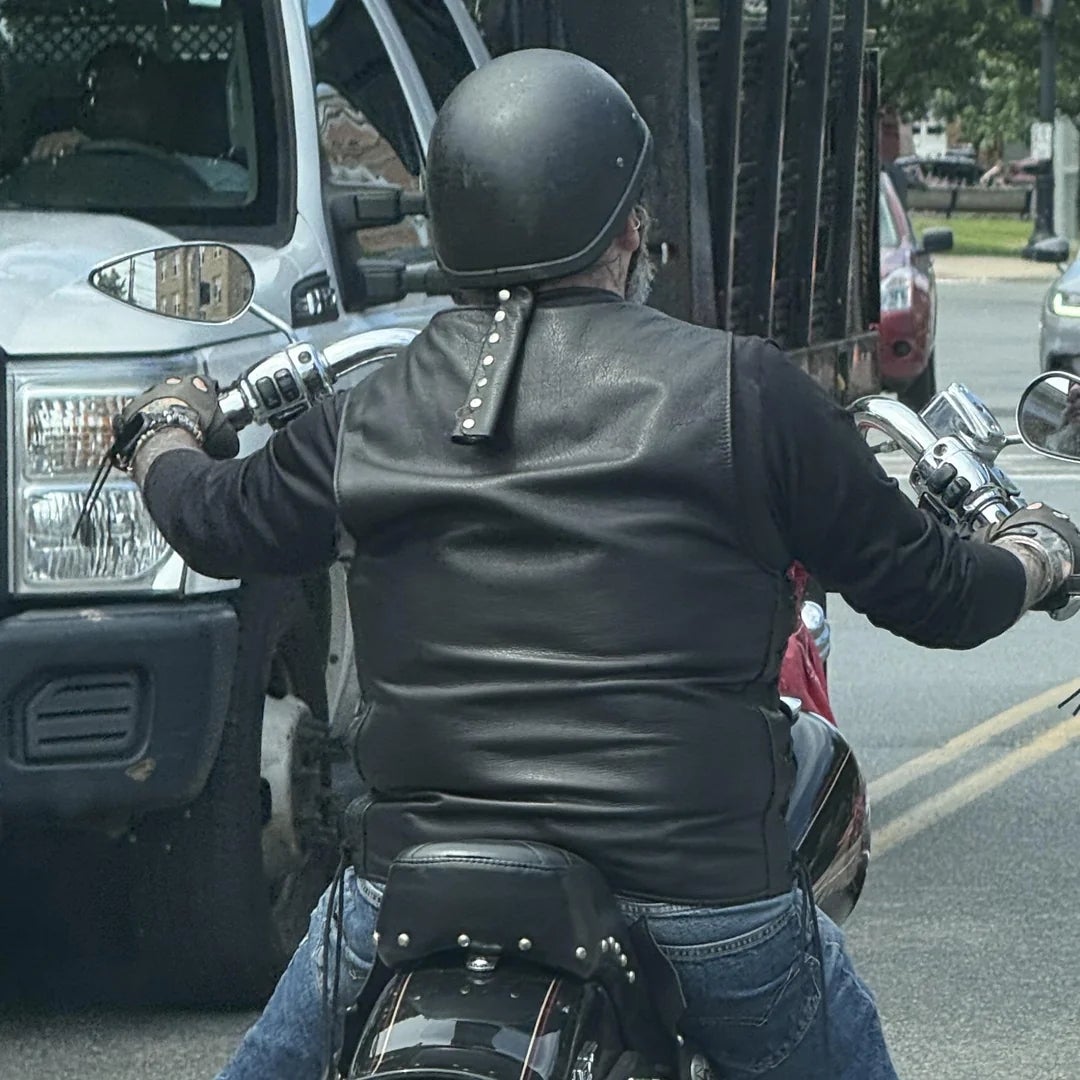
"It’s a hair protector. My mom had long hair and had to wear hard hats and didn’t want to ruin her hair or it would be in her way while working (industrial electrician), so she started wearing these. Although it was cuter than this specific one."

"It looks like this item. Ponytail/rat tail cover."

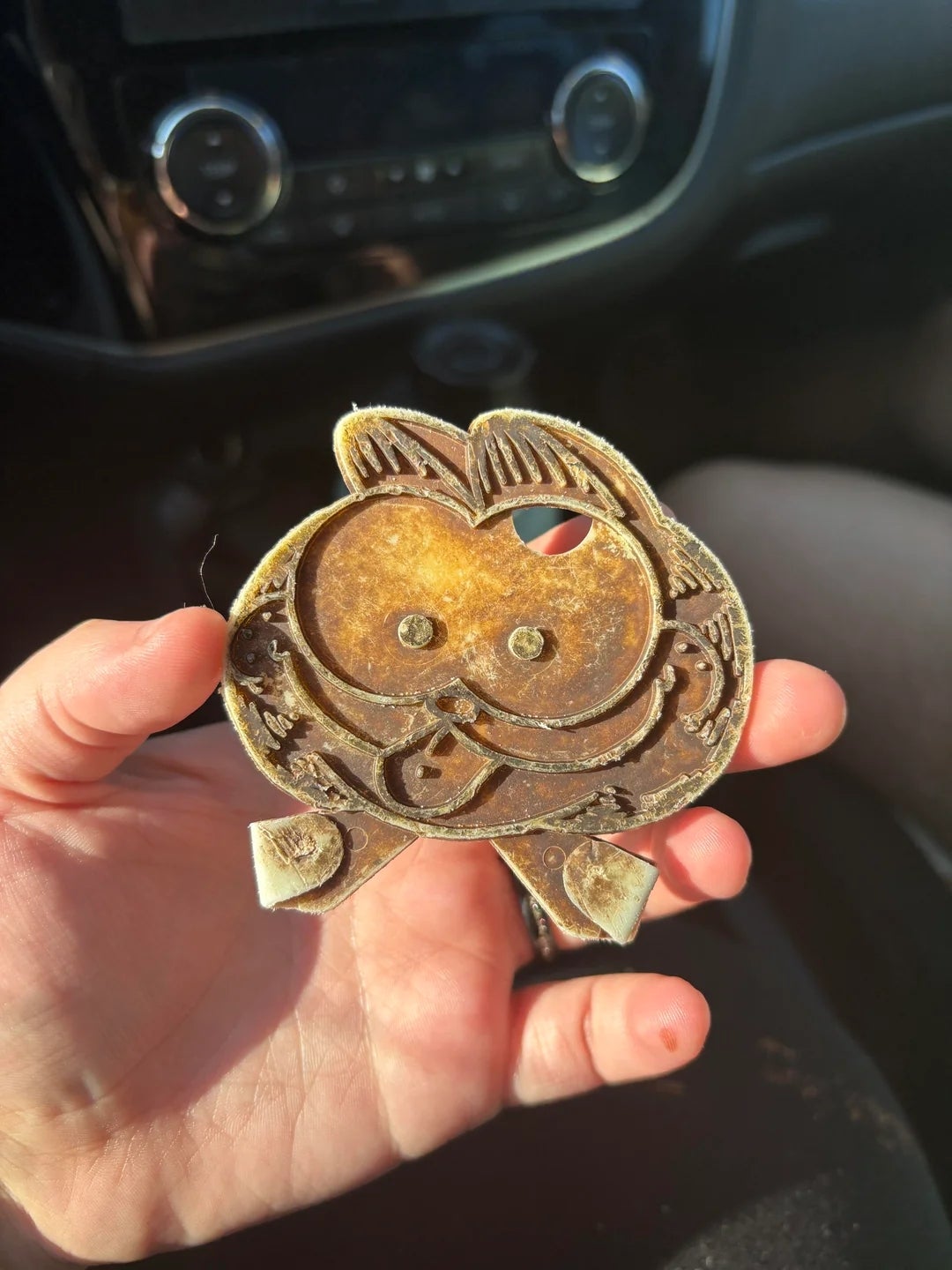
"It's an ice cream dipper; you clamp on the cone and dip the ice cream in chocolate."

"I had one as a kid. Raisin Bran, I think."

"Nostalgia overload! The reflector eyes would fall out on the first ramp you’d jump."

"It is a PTM [Polynomial Texture Mapping]/RTI [Reflectance Transformation Imaging] capture dome. You put an object under the dome and take pictures of it with different lighting to get textures. Your picture is of the same thing, just different circuitry."

The original poster, u/Simula_crumb, mentioned that the person who had owned it "worked for a UN war crimes tribunal as a photographer documenting mass graves," and asked if it could be applicable.

"Yes. For photographing bones, potentially. I have a family member who worked in Myanmar and used one for that purpose. You need good quality pictures to create 3D models and to try and recreate skeletons in mass graves to help make determinations about age, sex, ethnicity, etc."

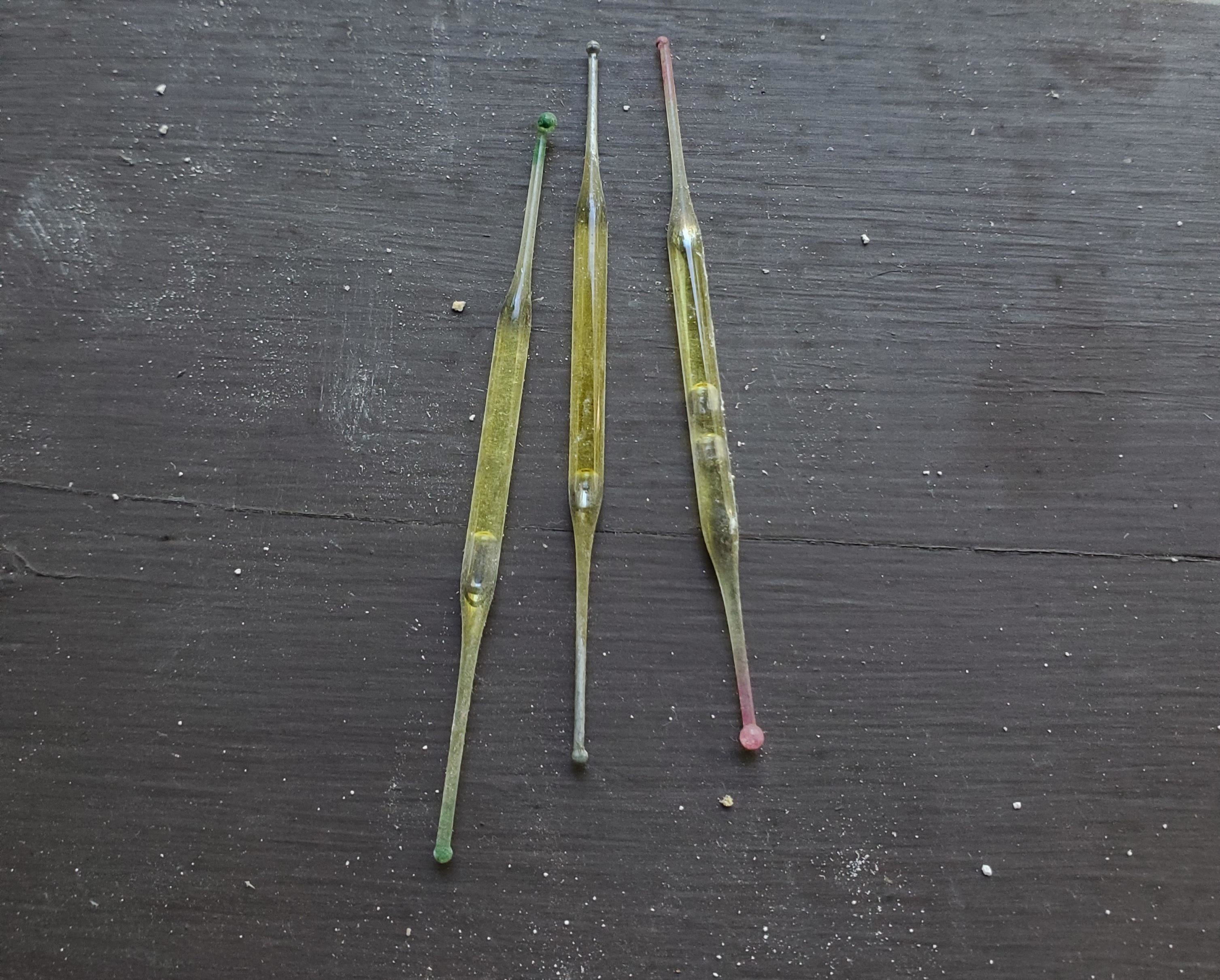
"Looks like antique perfume ampules. Also called perfume nips."

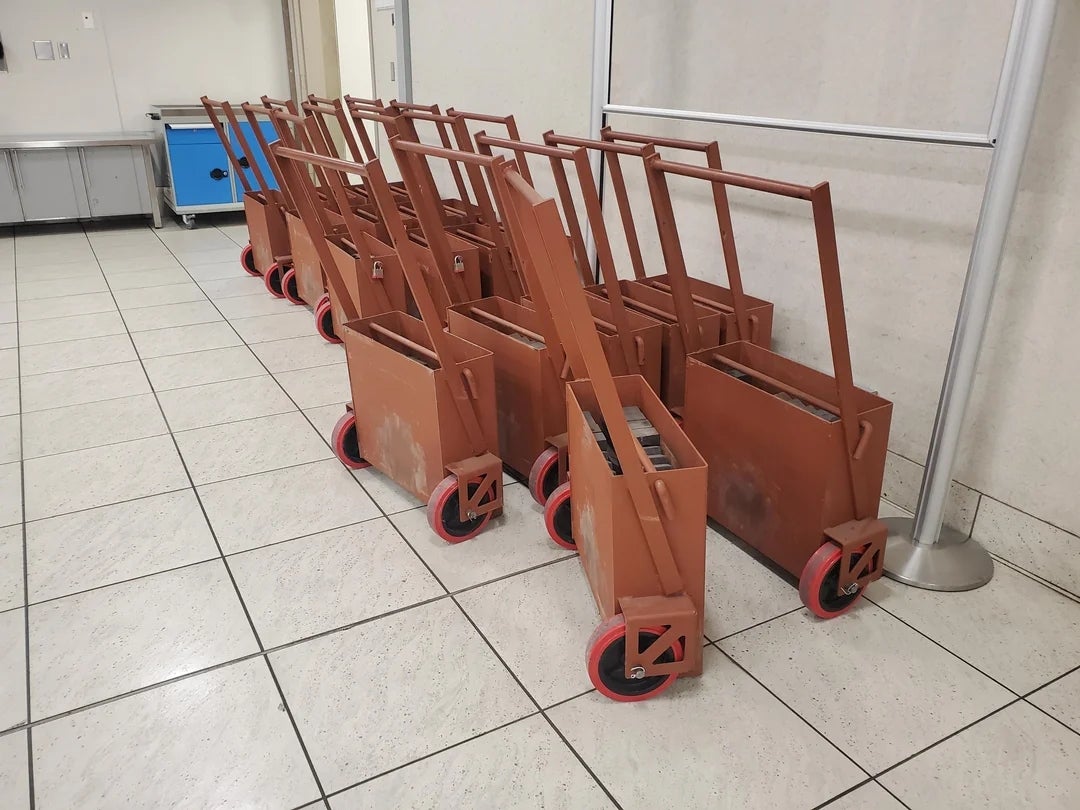
"These are weights for testing elevators."

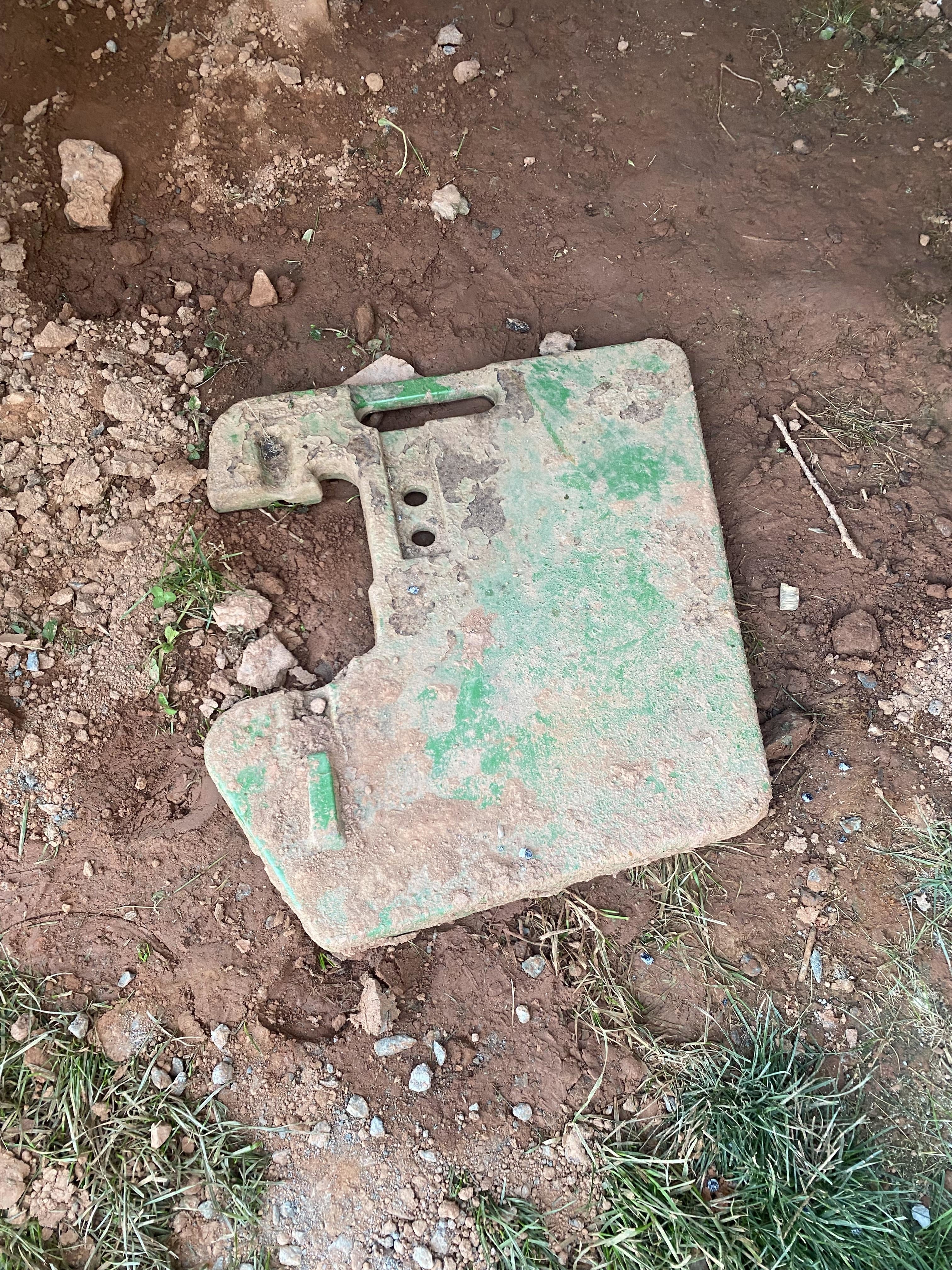
"Plates to help weigh down the front of a John Deere Tractor."

"If you're running a tractor with a rear excavator or a big enough auger, or really any implement that is either very heavy or exerts a pulling force toward the ground, you put these on the front of a tractor to weigh it down.

Traditionally, farmers would just weld or bolt a big bucket to the front bumper of a tractor and fill it with debris, bricks, scrap metal, water, or any combination of these things. However, sometime in the late 1960s, John Deere began producing them with a specially shaped rail along the front bumper to accept these."

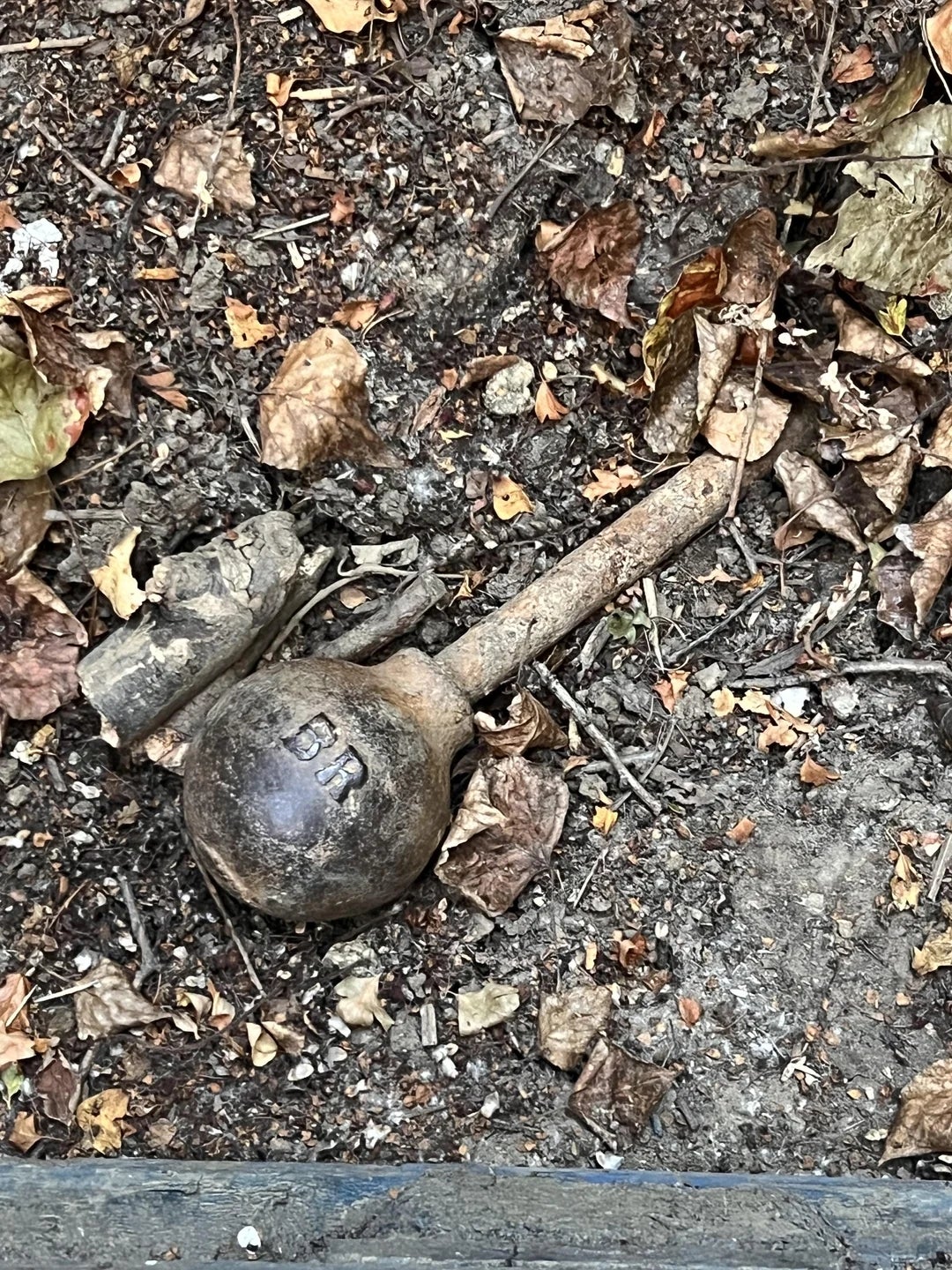
"I know what it is; I used to use them as part of my job. It’s a screw coupling pin found on locomotives to tighten up the connection between a locomotive and another rail vehicle. This is an early version! It's No. 6 in this diagram."

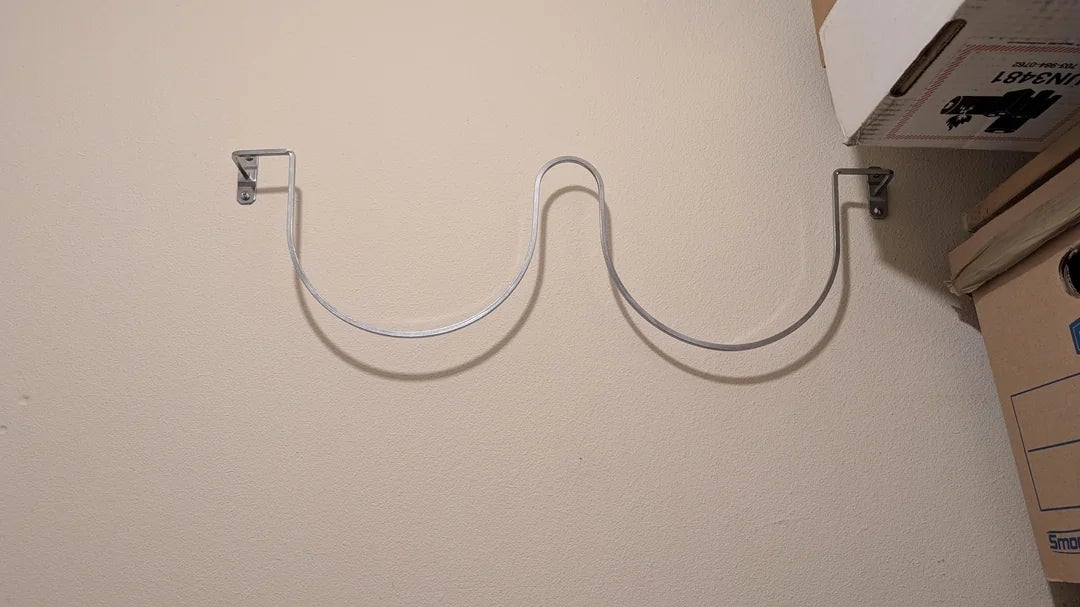
"Here’s a similar item. It's a hat rack."

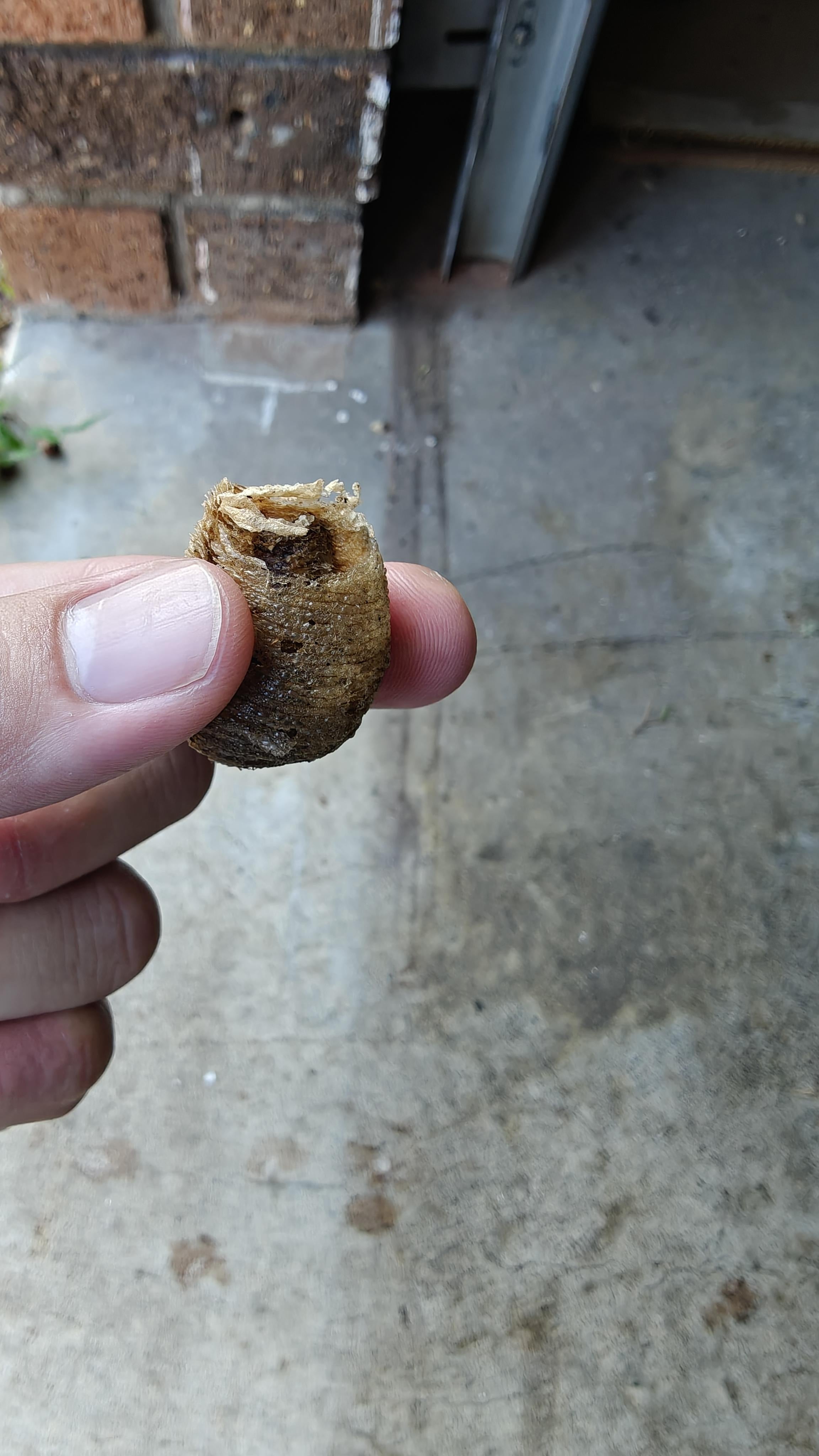
"This is the right answer. Mantis egg case/ootheca."

"It's a Diack indicator. It's just a pellet that is calibrated to melt at a specific temperature. I have only used them to verify that autoclaves are reaching set temperature, but they also come calibrated to other temperatures for other purposes. I've been using these and spore ampules to test autoclaves for over 30 years. Check out this link."

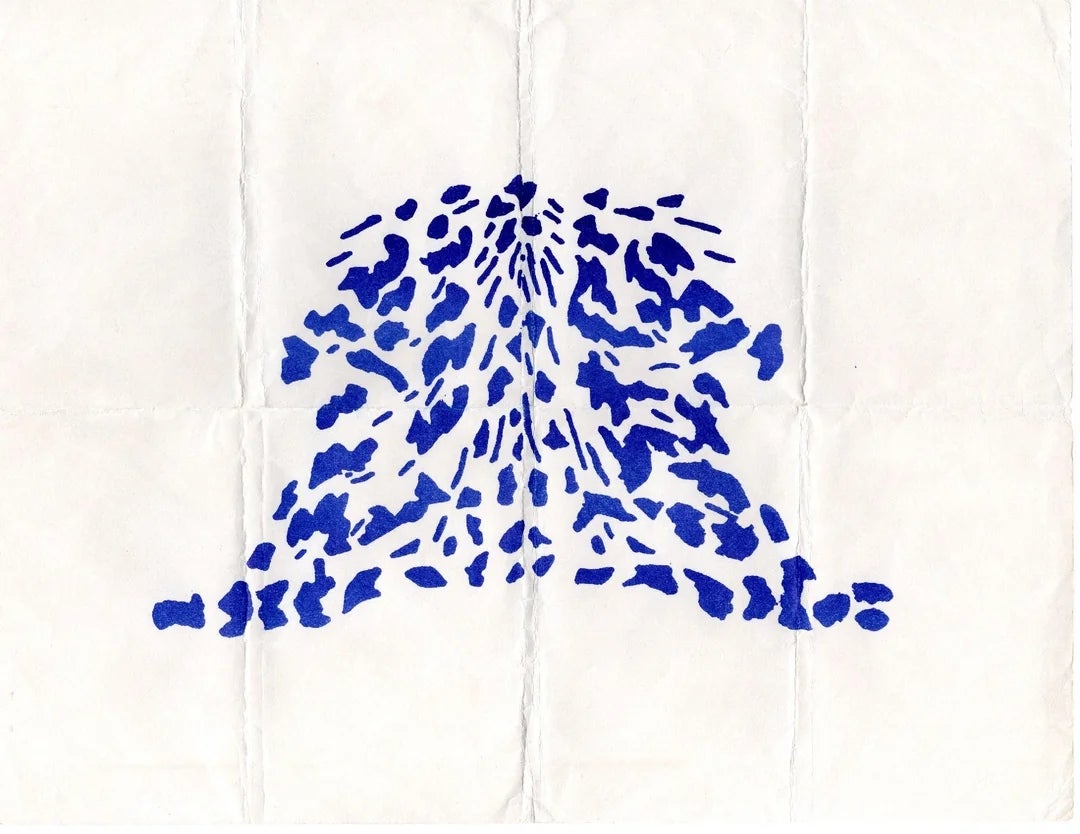
"I figured it out! I printed it, folded it in half, and held it up to a lit window. With the folded half down, it shows four people having sex. I mean, I guess it’s art. I swear, I’d frame this and keep it forever."

"For completeness, here's the image mirrored and overlayed."

"They are reflective shields for dental work. They help view inside a patient’s mouth. The pad absorbs moisture and holds the little mirror in place. Here's a better photo."

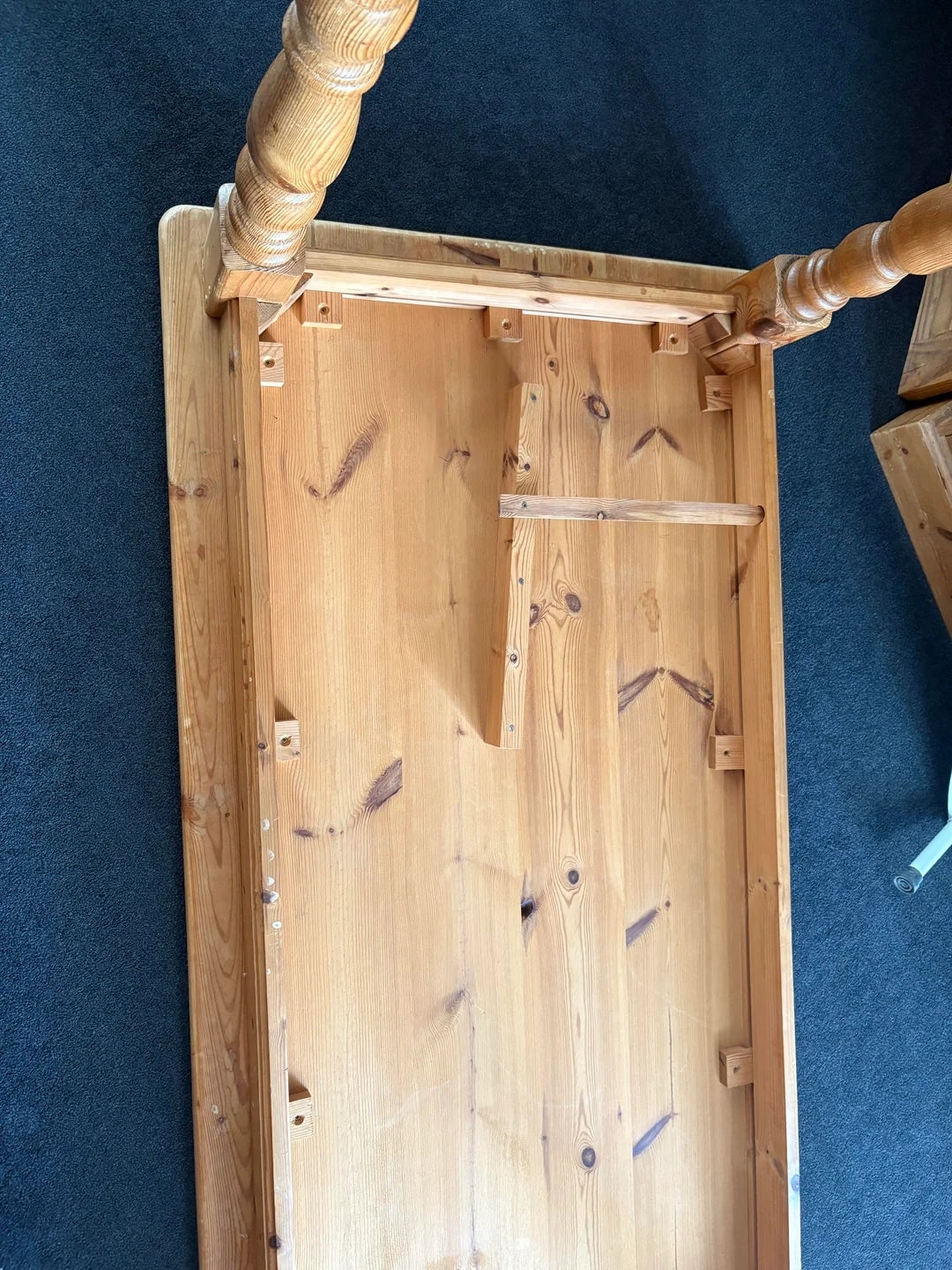
"If I had to guess, I would say a support. Likely to hold the legs for transport when disassembled."

"Looks like the legs unscrew (judging by the difference in grain between the turned portion and the square portion). Pop ‘em off and see if they fit in there."

The original poster, u/MacInsideOut, then replied "Like a glove," with an image of the legs perfectly held in by the wood piece.

"This looks a lot like the Elitech temperature and humidity sensors."

"I think you're correct, now it's time to call an appropriate agency, OSHA, for an unknown 'radiation hazard' on the worksite. I suspect erroneously marking something as a radiation hazard isn't something you're allowed to do."

"That label is probably just there to prevent people from tampering with it, as I’m 90% certain that it's just a temperature and humidity logger. As someone else mentioned, there are probably legal issues with false radiation warnings, as this is likely to cause people to call the authorities unnecessarily."

"Antique hay spear! I found one on my family's ranch in Wyoming years ago, and this sub helped me figure it out."

"Hay harpoon. It would be dropped from the hay loft into the bale. When pulled up with an attached rope, the spikes automatically extend to grip the bale. You can then hoist the bale up to the loft. Then simply release the rope pressure, the spikes will retract, and the harpoon can be pulled out of the bale."

"I think it's the top half of one of these [Vietnam War Era US Navy Practice Bomb]."

"Looks like it's from a nutcracker set to dig out meat."

"Yes, this is it. My family had one as well."

"Toilet paper originally came as folded sheets, like tissues do today. You’d unwrap the folded stack of sheets and tuck them into this holder."

"Usually for a fruit bowl or candy dish."

"Looks like it’s called a McNulty ballot box."

"Yep, this is the answer. It’s just missing the actual box part. What is here is basically the stand frame. The box slides in from the top and is locked in place. My parents have a similar antique ballot box."

"I agree, but it seems pretty short and lightweight for a whaling harpoon. Perhaps it was designed for some smaller fish, maybe salmon?"

"I'd imagine it'd be just the right size for tuna."

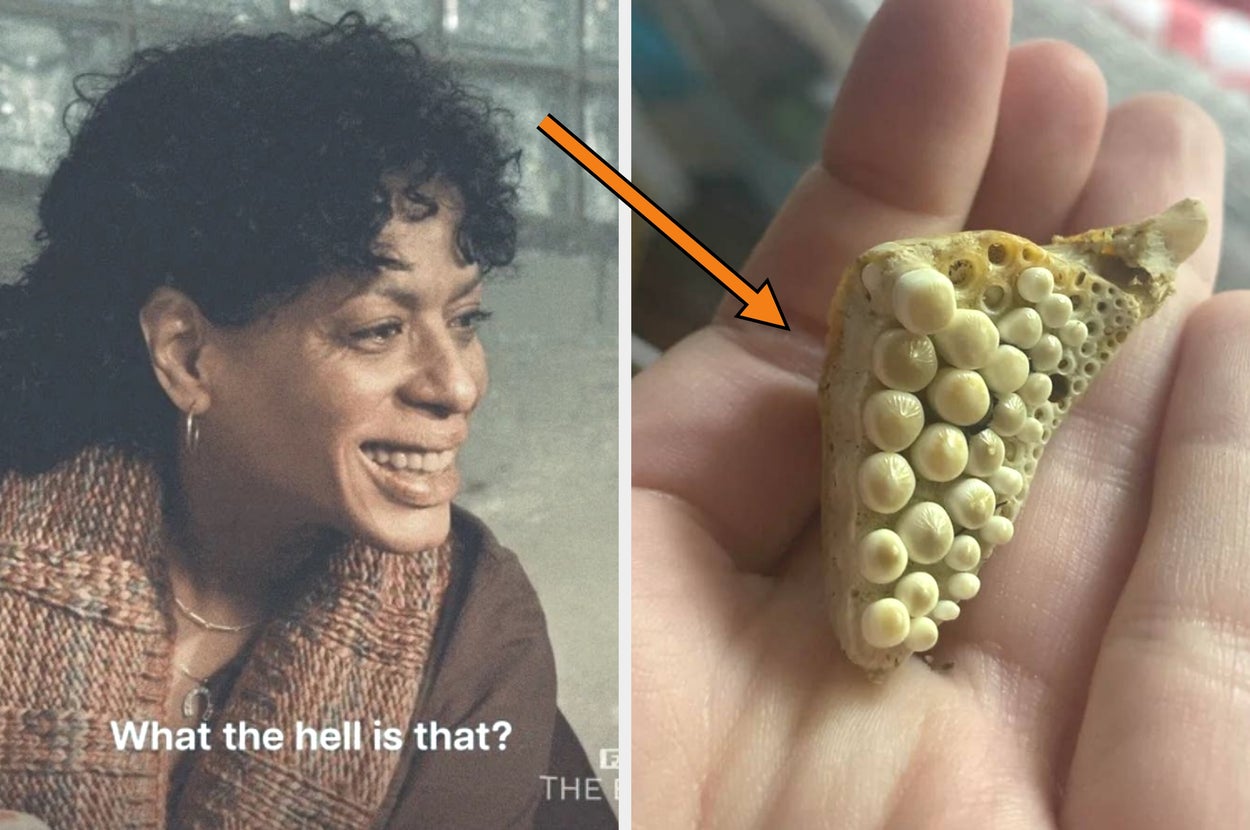
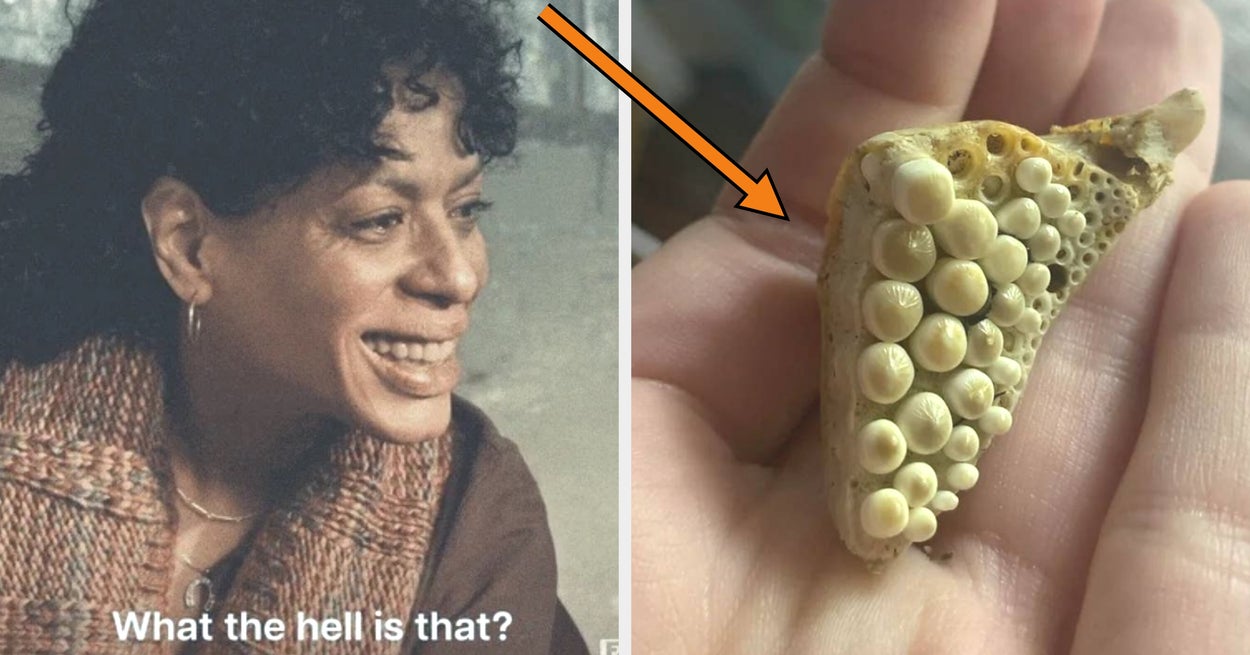
"Pharyngeal teeth. Likely from a freshwater drum [fish], given your location."

"There was a Joan of Arc canning company in Illinois in the 1880s that used tokens. Workers were often paid in tokens based on how many goods they canned. And, of course, those tokens could only be redeemed in the company store."

"It's a seed pod from an Australian Banksia shrub."

"I think it is for tea bag disposal (see the spoon). In the UK, when you make tea, it’s very common to have a small plate where we discard teabags, and the spoon in the image makes me think that is what it is."

"It's a card holder, like for business cards. Here's a similar one on Etsy."

"It's a yarn ball holder. I don’t know when they were invented historically, but there are similar tools used today. I have one made of laser-cut wood to use while knitting. It makes it so the ball doesn’t run away when you pull more yarn out. Here's a similar one."

"Specifically, I think this one is an Oak Apple Gall! This is from a tiny wasp that lays its eggs in Oak Trees."

"I'm Pretty Sure You Might Want To Stop Touching That": These 41 Weird Items Would've Been Mysteries Forever If The Internet Hadn't Come To The Rescue

"A Bit Creepy": 43 Odd Objects That Had Everyone Stumped Until The Internet Helped Out

"Handle It With Mittens": People Were Completely Stumped By These 47 Odd Objects Until The Internet Helped Out