buzzfeed Press
Want A Fresh Start? These Places Will Pay You To Relocate
Images

1 / 11

2 / 11

3 / 11

4 / 11
5 / 11

6 / 11

7 / 11
8 / 11

9 / 11
10 / 11
11 / 11
These places are offering incentives that could make starting over a little easier...

From rural communities trying to fight population decline to people willing to restore abandoned homes, governments around the world are getting creative when it comes to attracting new residents.

Before you load up Skyscanner, there’s a catch. These schemes aren’t usually as simple as pack up and go. Most come with a few strings attached, whether that means buying a property, starting a business, or committing to life in a particular community for a set number of years.

But if you’re open to swapping city life for somewhere quieter, these destinations could make the leap abroad a little more affordable.

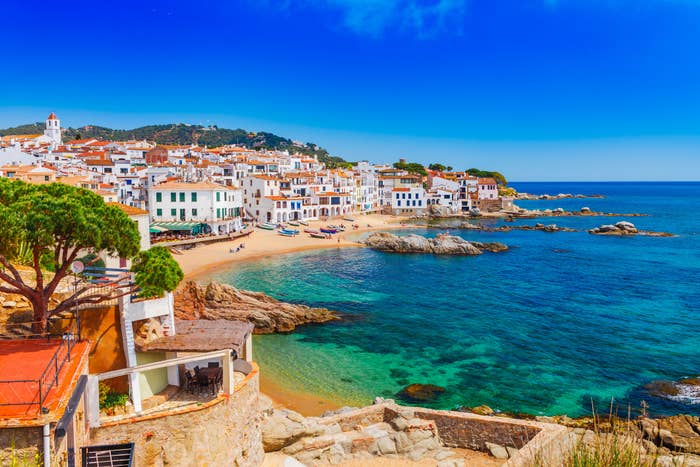
Some rural areas in Spain have previously introduced schemes to attract new residents, including Ponga in Asturias, which offered around €3,000 to newcomers, while Extremadura launched a digital nomad initiative offering eligible remote workers grants of up to €15,000 to relocate to the region.

For remote workers, Spain’s biggest draw is its digital nomad visa, allowing non-EU/EEA citizens to live in Spain while working remotely for an overseas employer or clients.

The country also offers “Beckham’s Law”, a special expat tax regime that can allow eligible new residents to benefit from a lower flat tax rate on certain income for a limited period.

As the Spanish Consulate explains, the visa is for "any foreigner planning to live in Spain as a resident, working remotely for a Company or an employer (or self-employed) located outside of the Spanish national territory, and using exclusively computer telematics and telecommunication media and systems."

Portugal has become a favourite with expats and remote workers, but if you’re hoping for a financial incentive to move there, you may need to look beyond the famous city hotspots.

Through the Emprego Interior Mais programme, Portugal has offered eligible workers a one-off grant designed to help cover the costs of relocating to the country’s inland areas.

The amount available depends on your work situation, according to the IEFP (Instituto do Emprego e Formação Profissional). Those with an open-ended employment contract, or people starting their own job or business in an inland area, can receive up to €3,759.91 in basic support. Those with a fixed-term contract or scholarship lasting at least 12 months may be eligible for €2,685.65.

The grant can also increase if family members move with you, with an additional 20% per household member, while eligible applicants can receive a further €805.70 towards transport costs when relocating.

However, according to Portugalist: "It isn’t really open to everyone. It’s primarily aimed at those who get a job in the region or start a self-employed business. Unfortunately, this excludes most retirees. However, if you are moving to Portugal to work, this could be an opportunity."

With many rural communities facing shrinking populations, Japan has introduced financial incentives to encourage people to move beyond its biggest cities.

Under Japan's regional relocation support programme, some local authorities offer eligible families up to ¥3,000,000 (around US$18,300/£13,700) to move to designated rural areas. The initiative is designed to help tackle population decline outside Japan's major urban centres, where more than 37% of people live in the Tokyo, Osaka, and Nagoya metropolitan areas.

As Akiya Japan explains: "The Ministry of Internal Affairs projects that nearly half of Japan's 1,700+ municipalities could become 'functionally extinct' by 2040. The subsidy is the carrot. The stick is demographic reality."

Importantly, the scheme isn't limited to Japanese nationals. Eligibility is based on where you have lived and worked rather than your citizenship. As Akiya Japan states: "A foreign national who has lived and commuted in the Greater Tokyo Area for 5+ years and holds an appropriate visa (work visa, spouse visa, permanent residency) qualifies on the same terms as a Japanese citizen."

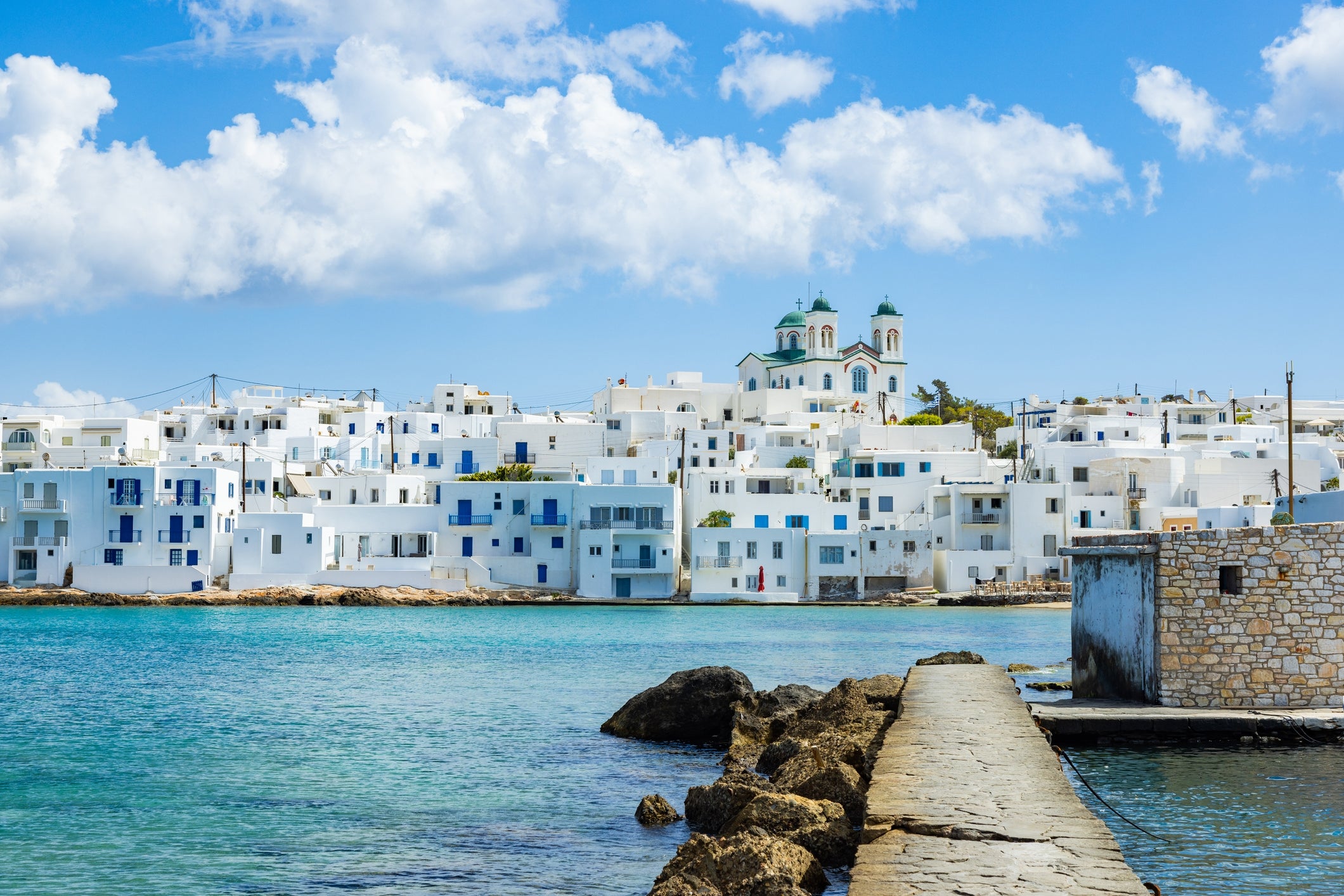
If island life sounds tempting, Greece’s Antikythera has attracted global attention for its unusual approach to tackling population decline.

The tiny island, located between Crete and the Peloponnese, has fewer than 50 permanent residents and has explored ways to encourage new families to settle there long-term. Selected households may receive housing support and around €500 ($584/£430) per month for up to three years as part of efforts to rebuild the island’s community.

The initiative is focused on people making a genuine long-term move rather than a short-term stay, with families (especially those with children) considered a priority. People with practical skills that could support island life may also be considered favourably.

However, this isn’t a simple online application that anyone can sign up for. The scheme is being coordinated locally, with availability depending on housing and community needs, so interested applicants would need to contact local authorities for the latest information.

Chile is offering a different kind of relocation incentive – not money to move your household, but funding to encourage ambitious entrepreneurs to build their businesses there.

Through its startup support programmes, the Chilean government has offered equity-free grants of up to £74,000 ($100,000) to technology-focused startups willing to establish and operate from the country.

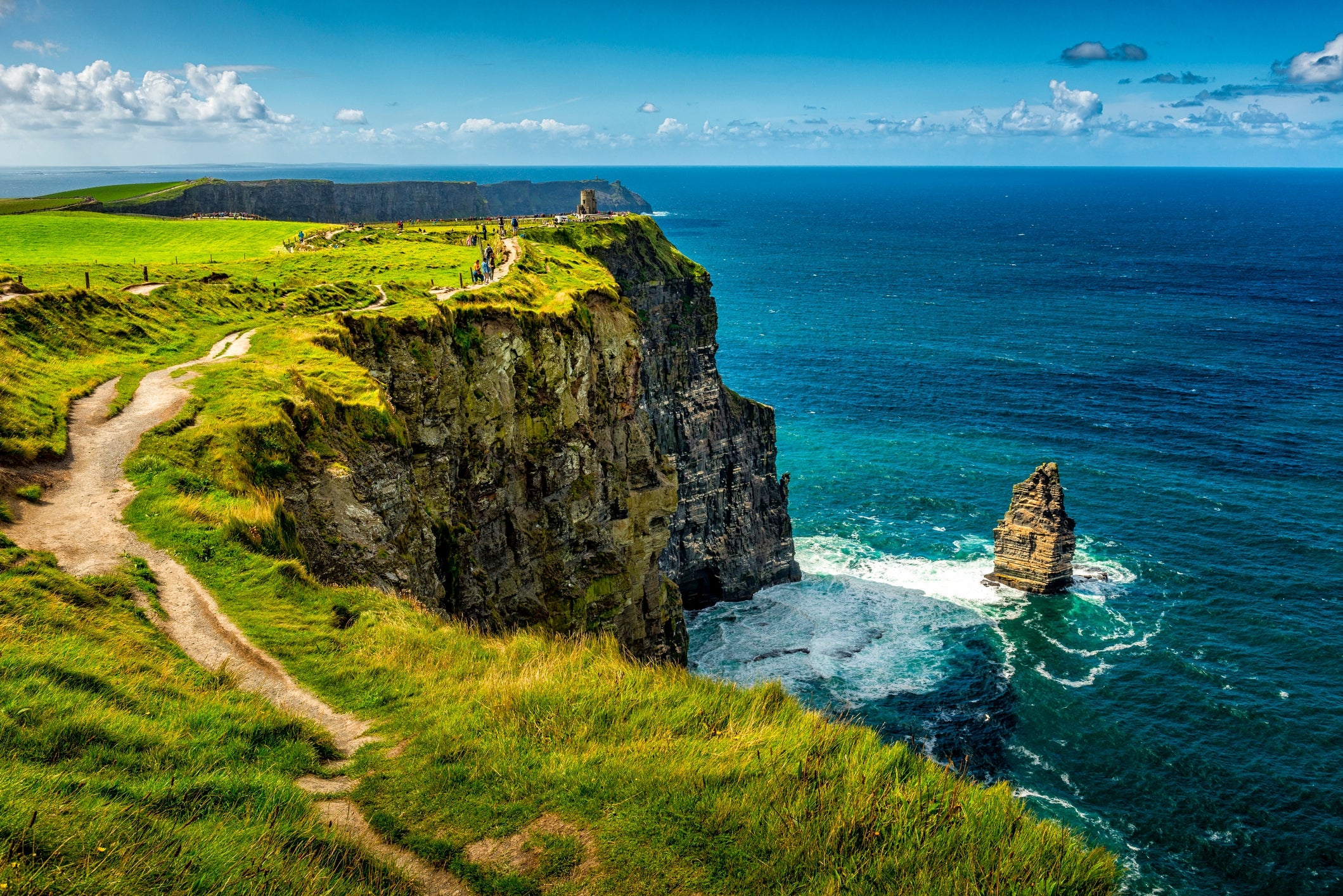
Ireland has created an incentive for people willing to take on a very specific challenge: renovating an empty or derelict home on one of its offshore islands.

Through the Vacant Property Refurbishment Grant, the Irish government offers funding to help bring unused properties back to life, with eligible homeowners able to receive up to €60,000 ($67,000/£50,000) for vacant homes and up to €84,000 ($92,000/£70,000) for derelict properties.

The scheme, introduced for qualifying island properties in 2023, is designed to tackle vacant housing while encouraging more people to settle in Ireland’s remote island communities.

There are, however, some conditions. Applicants must own or be in the process of buying the property, and the home must meet requirements including being vacant for at least two years and built before 2008. The funding can only be used towards renovation work, from structural repairs to improvements that make the property liveable.

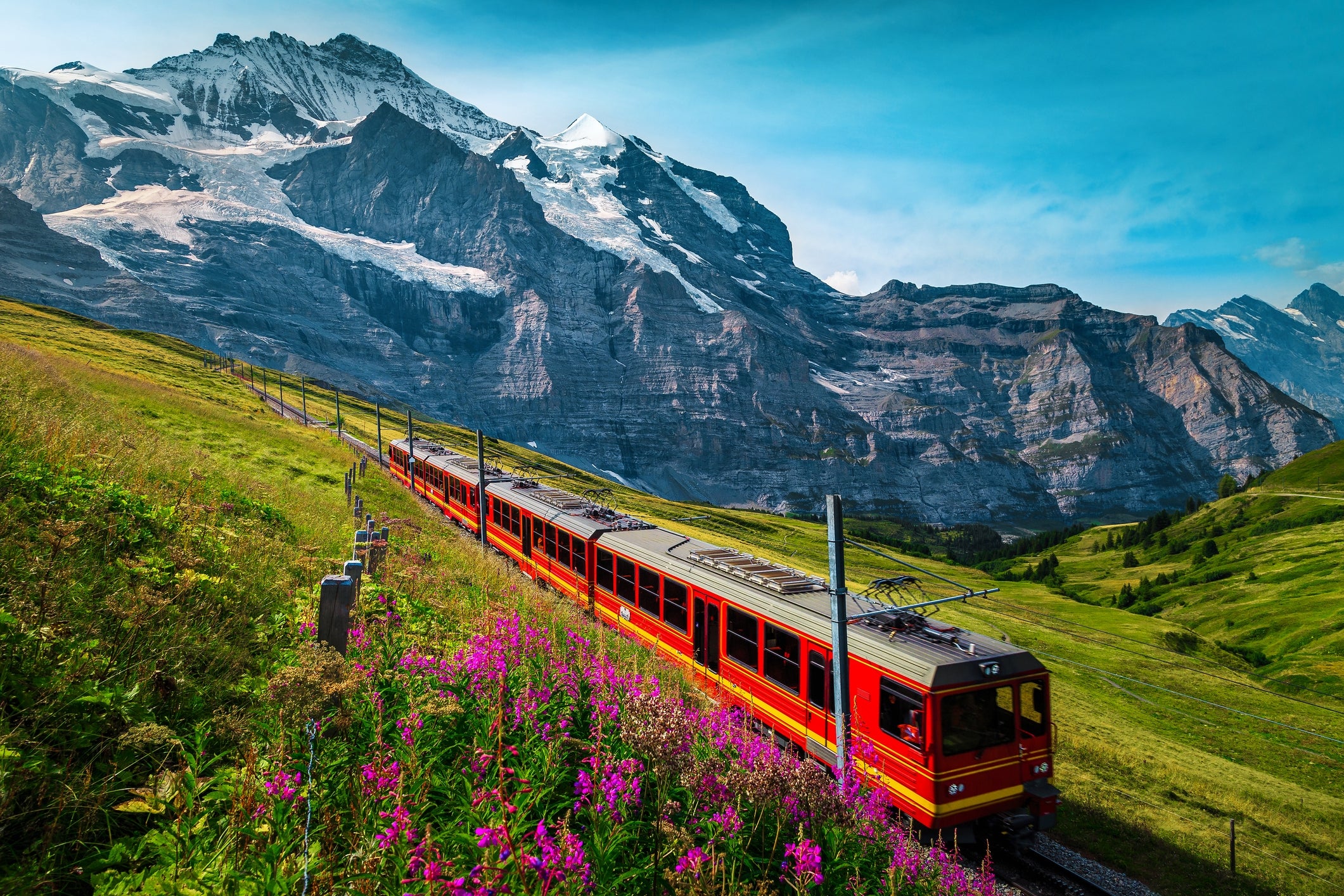
The Swiss village of Albinen has become famous for offering financial incentives to people willing to put down roots in its mountain community.

Like many rural areas, Albinen has faced population decline and introduced the scheme to attract new residents and help secure the future of the village. Eligible newcomers can receive 20,000 Swiss francs (around $22,000/£17,000) per adult, plus 10,000 Swiss francs (around $11,000/£8,500) for each child who moves with them.

However, there is a major catch: this isn’t a quick relocation bonus. Applicants must be under 45, commit to living in Albinen for at least 10 years, and buy a property worth at least 200,000 Swiss francs ($250,000/£190,000) that becomes their permanent home.

Foreign nationals can also apply, but they must meet Switzerland’s residency requirements and be eligible for a long-term settlement route.

So, while Albinen may help make the move financially more attractive, it’s really aimed at people ready to swap city life for a long-term commitment to a small Alpine village.