Press
Iran internet starts coming back after months-long blackout
Images
1 / 8

2 / 8
3 / 8
4 / 8
5 / 8
6 / 8
7 / 8
8 / 8
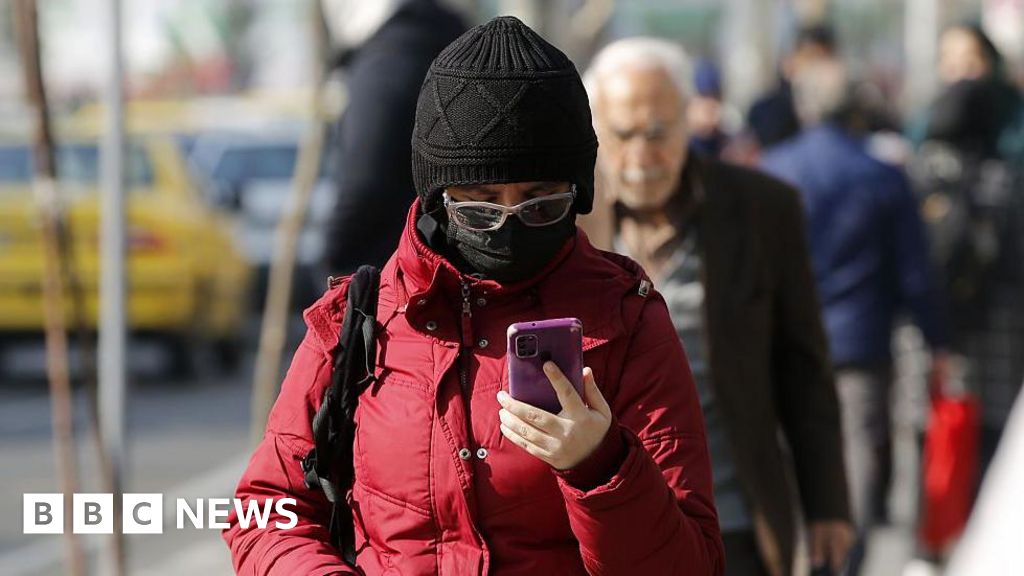
Internet access has started to be restored in Iran after being cut off almost three months ago, the country's first vice-president has said.

"The first step toward free and regulated access to cyberspace has been taken," Mohammad Reza Aref wrote on X on Tuesday.

Internet monitoring groups Netblocks and Kentik reported "partial" restoration around 13:00 GMT, though the latter warned most networks were still down.

The Iranian government cut internet access following the launch of US and Israeli attacks on 28 February. Officials suggested the aim was to prevent surveillance, espionage and cyber-attacks. It is one of the longest-running national internet shutdowns ever recorded worldwide.

A content creator from Tehran told the BBC that he had been able to connect to the internet using his home WiFi on Tuesday.

"The main point is, some of my income will come back," he said.

Netblocks, a global internet monitor, said it was "unclear" whether the internet restoration would be "sustained".

"From past digital blackouts in Iran, we've seen that the restoration process can take some hours and isn't as streamlined as the shutdown procedure," the group's research director Isik Mater earlier told BBC Verify, cautioning it had on occasion taken "weeks" to reach some regions.

She added: "Historically, each time internet access has been restored after an internet shutdown in Iran it has come back with heavier restrictions and tighter controls."

When the US and Iranian attacks started and internet access was cut off, Iran had only enjoyed full access to the outside world for only about a month following a previous shutdown imposed during January's deadly regime crackdown on anti-government protests.

Some Iranians have sought to get around the restrictions using methods like expensive virtual private networks and smuggling satellite technology into the country.

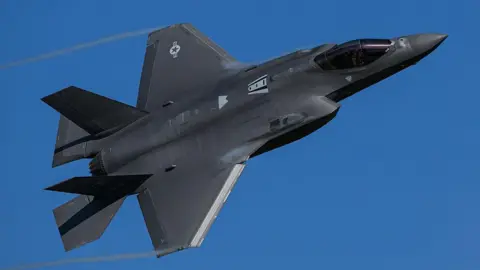
The network started to come back online as Iran condemned fresh US strikes against it earlier this week, branding them a "gross violation" of the ceasefire agreed on 8 April.

The US said Iranian missile sites and boats attempting to place mines had been targeted with what it called "self-defence strikes" in southern Iran on Monday.

US Central Command says the strikes were taken in "self-defence", while Iran reports it downed a US drone that entered its airspace.

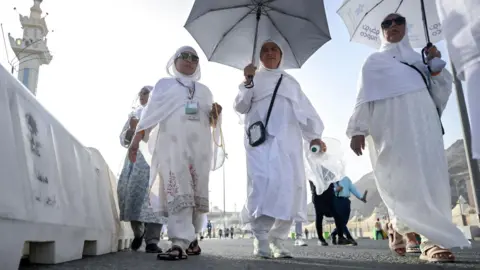
Saudi Arabia says that is 11,000 more than the number of Muslims who travelled to the Gulf kingdom last year.

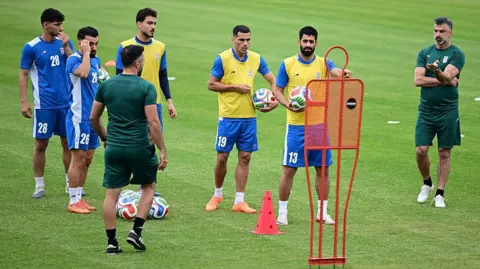
Mexico's President Claudia Sheinbaum agrees to allow Iran to stay in the country during the World Cup, with the United States unwilling to host them.

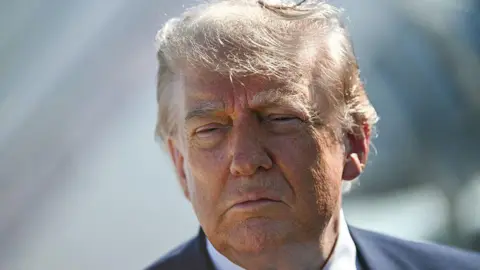
Trump said on Saturday that an agreement would include the reopening of the Strait of Hormuz, without giving further details.

The deal under discussion would involve a 60-day ceasefire extension during which the Strait of Hormuz would be reopened, according to US media.