yahoo Press
‘No idea it was coming’: Pentagon officials stunned by Hegseth decision on troops in Poland
Images
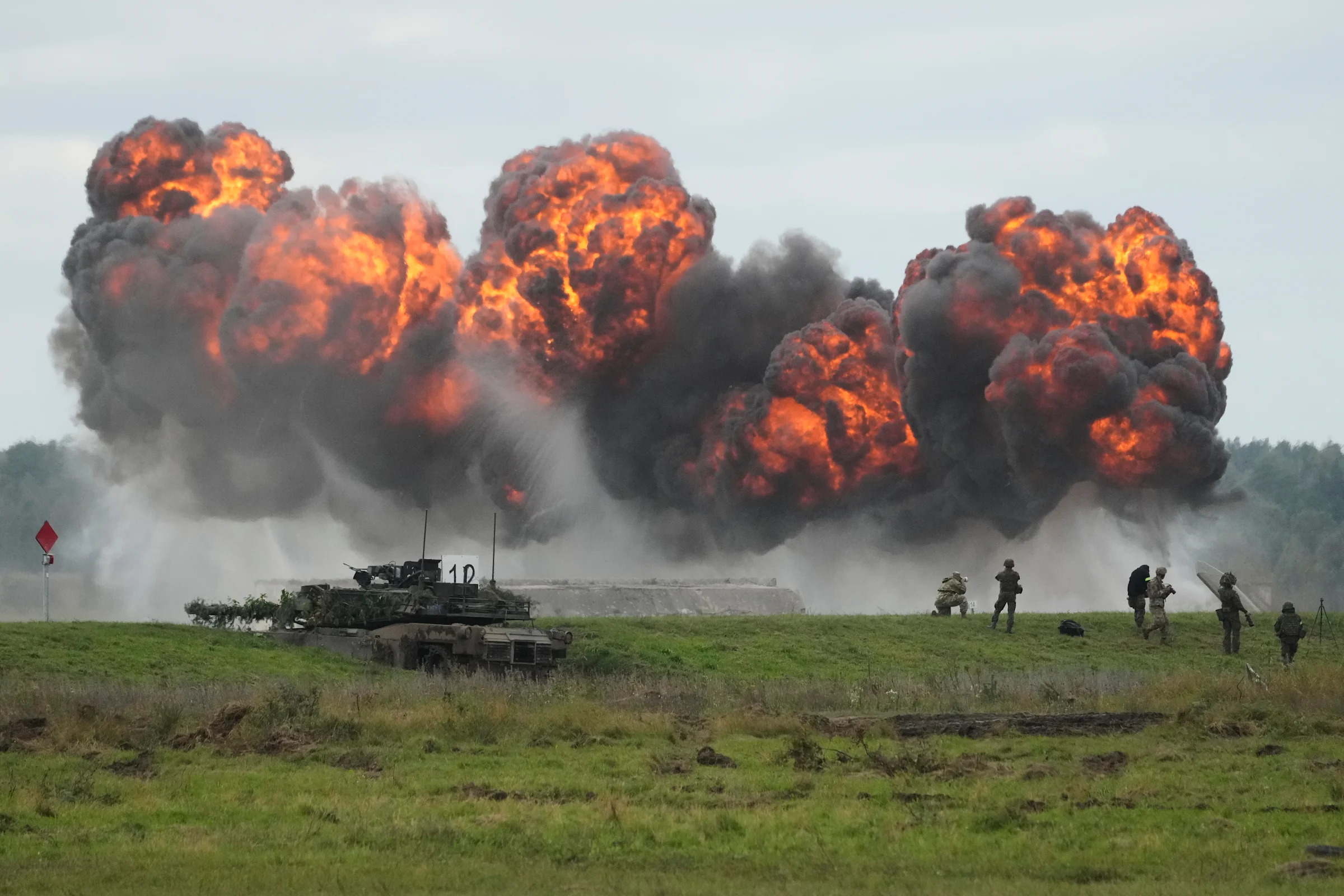
1 / 7
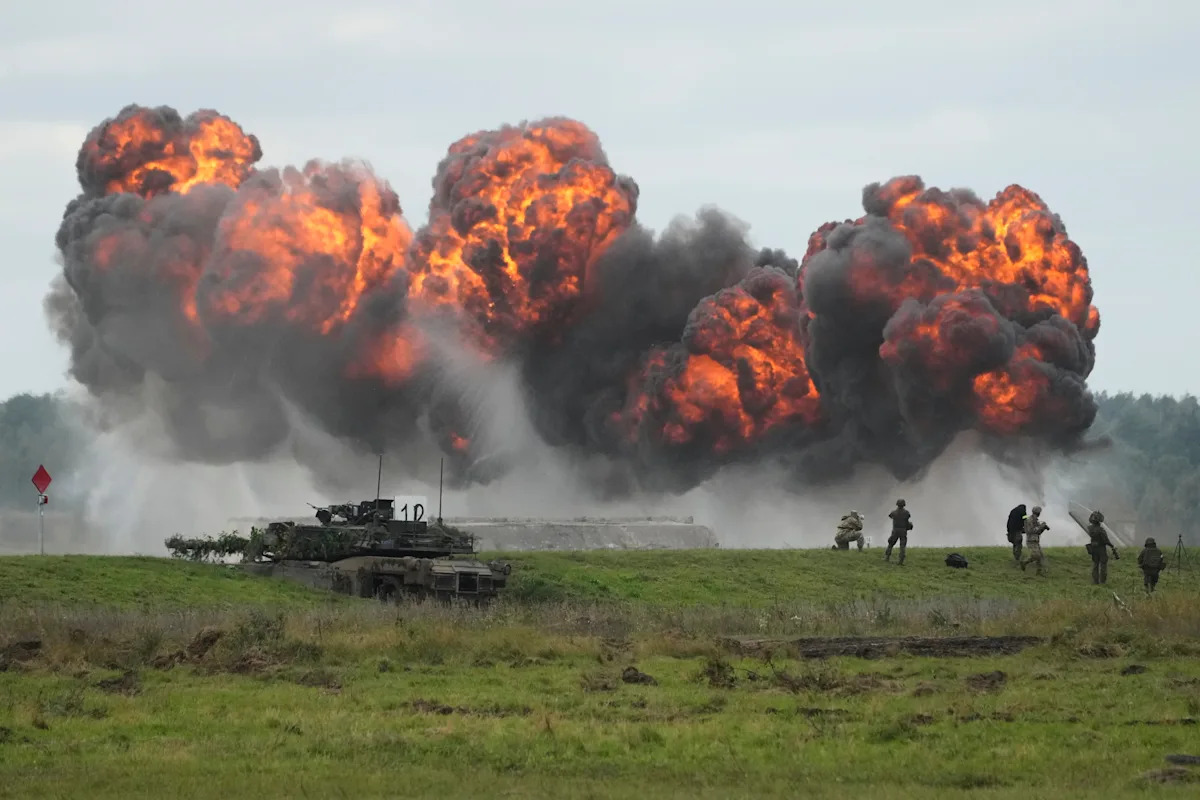
2 / 7

3 / 7

4 / 7
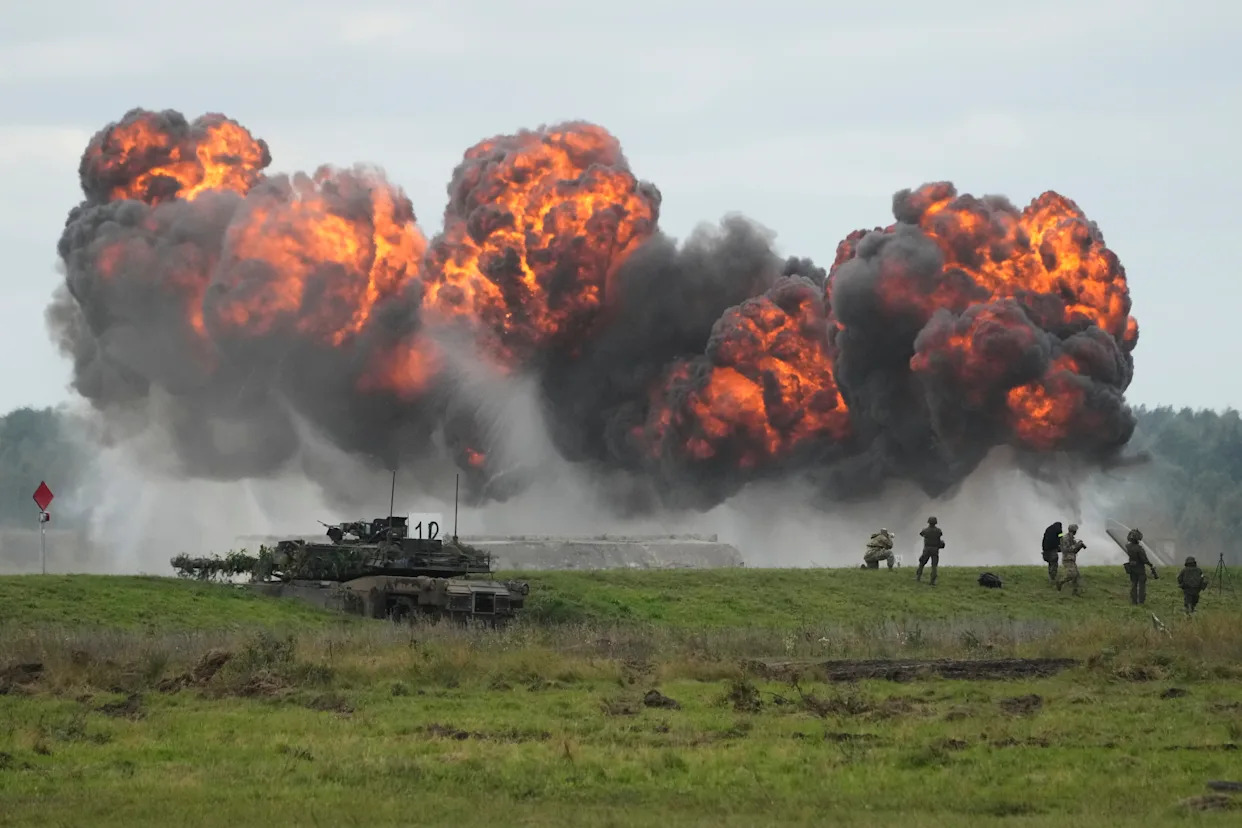
5 / 7

6 / 7

7 / 7
Pete Hegseth’s last-minute decision to cancel the deployment of 4,000 troops to Poland caught Pentagon staff and European allies by surprise — the latest example of an abrupt personnel move from the Defense secretary that blindsided both sides of the Atlantic.

It wasn’t clear exactly why Hegseth issued the order, according to three defense officials familiar with the matter. President Donald Trump has repeatedly expressed anger and frustration with European allies for their failure to help with the Iran war, although Trump has labeled Poland a "model ally” for its high defense spending.

The decision was even more surprising because troops and equipment had already started to arrive in the country. It sent fresh waves of anxiety through European capitals and inside the Pentagon on Thursday about whether such moves could embolden Russia — and which ally might turn into the next target.

“We had no idea this was coming,” said one of the U.S. officials, adding that European and American officials have spent the last 24 hours on the phone trying to understand the decision and figure out if more surprises are coming.

The move follows Hegseth’s announcement this month that the Pentagon would withdraw 5,000 troops from bases in Germany. But that decision followed through on a threat Trump made after German Chancellor Friedrich Merz said the U.S. was "humiliating" itself with the conflict in Iran.

The 4,000 Texas-based troops were preparing to leave on a long-planned nine month rotation to Poland that includes training with NATO allies when the order to halt came through. The cancellation of this routine mission is especially unusual given that American troops stationed on the continent are a key deterrent to Russia. Trump has insisted that Europe will have to fend for itself — even as he’s railed against allies’ opposition to the Iran conflict — and this latest order suggests the president is serious about reducing the American footprint on the continent.

The Army’s role in Europe “is all about deterring the Russians, protecting America's strategic interests and assuring allies,” said the Lt. Gen. Ben Hodges, the former commander of the U.S. Army in Europe. “And now a very important asset that was coming to be part of that deterrence is gone.”

The White House referred questions to the Pentagon, which defended the move as a carefully considered process. "The decision to withdraw troops follows a comprehensive, multilayered process that incorporates perspectives from key leaders in [U.S. military in Europe] and across the chain of command," said acting Pentagon press secretary Joel Valdez. "This was not an unexpected, last minute decision."

But the broader strategy remains unclear. The German withdrawal is still in the planning stages, according to two of the U.S. officials familiar with the matter, who like some others, were granted anonymity to discuss internal conversations. It amounts to a relatively minor drawdown of the 38,000 U.S. troops in the country, but sends a signal to European allies that they could pay a price for publicly disagreeing with the White House.

“The Poles certainly have never criticized President Trump, and they do all the things that good allies are supposed to do,” said Hodges. “And yet, this happens.”

The Pentagon defended the move as a carefully considered process. "The decision to withdraw troops follows a comprehensive, multilayered process that incorporates perspectives from key leaders in [U.S. military in Europe] and across the chain of command," said acting Pentagon press secretary Joel Valdez. "This was not an unexpected, last minute decision."

The White House did not respond to requests for comment.

Polish officials took to social media to either defend the decision or vent about its impact on the alliance. Some hoped the Army would replace this rotational troop presence with a permanent one already deployed in Europe. Others tried to downplay the potential impact.

“This matter does not concern Poland,” Deputy Polish Prime Minister Władysław Kosiniak-Kamysz said in a social media post. “It is linked to the previously announced realignment of a portion of U.S. military forces in Europe,” referring to ongoing U.S. efforts to reevaluate American troops on the continent.

The majority of Poles favor having a U.S. military baseon their territory, according to recent polling, unlike many other European nations. And Poland’s defense spending is projected to grow to 4.7 percent of its GDP this year, the highest such figure among NATO allies.

The Pentagon recently conducted a review of U.S. troop presence around the globe, although it is not expected to be released publicly. Officials have indicated that the study does not call for a major withdrawal of troops from Europe. But another key document released this year, the National Defense Strategy, pledges to commit more military assets elsewhere and leave European security to European nations.

The Pentagon announced in October that it would not replace an Army brigade that was scheduled to leave Romania late last year, a move that frustrated defense hawks on Capitol Hill.

“This is a major challenge to Europe's security and a severely disrupting way of shifting responsibility to Europeans,” said Joel Linnainmäki, a former Finnish official. “For allies next to Russia it will have to change their calculus.”

But some in the alliance tried to downplay the impacts of the American brigade not showing up in Poland. A senior NATO official said that rotational forces, such as the American troop deployment to Poland, do not factor into the alliance’s long-term plans to build up a troop presence on the continent that can deter Russia.

“We know that the U.S. is working to adjust its posture in Europe,” the official said. “And we’re already seeing increasing presence on the eastern flank from Canada and Germany, all of which contributes to a stronger NATO overall.”

The official said France and Germany have 5,000 combined troops on NATO’s Eastern flank, a number which will increase by thousands by the end of next year.