yahoo Press
Trump’s bizarre behavior often gets a pass. That’s starting to change
Images
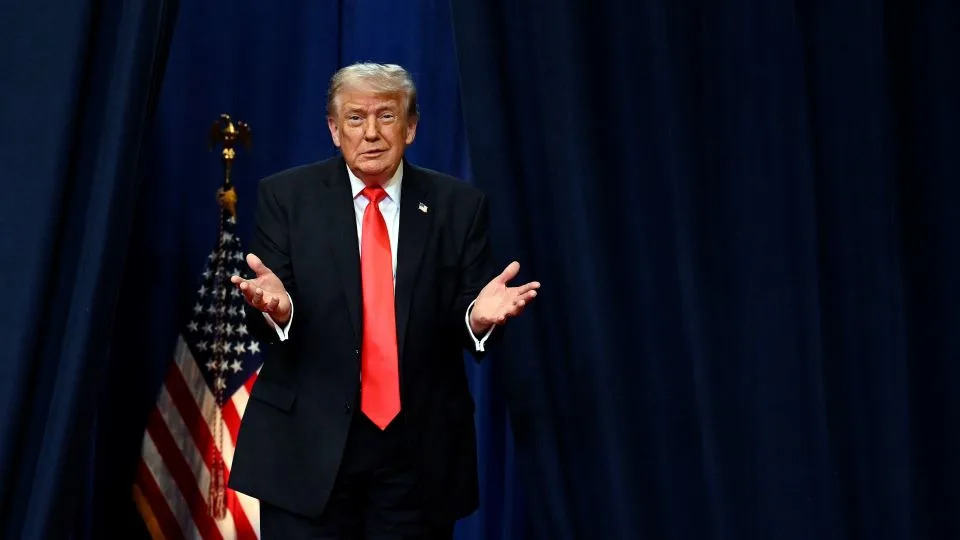
1 / 11
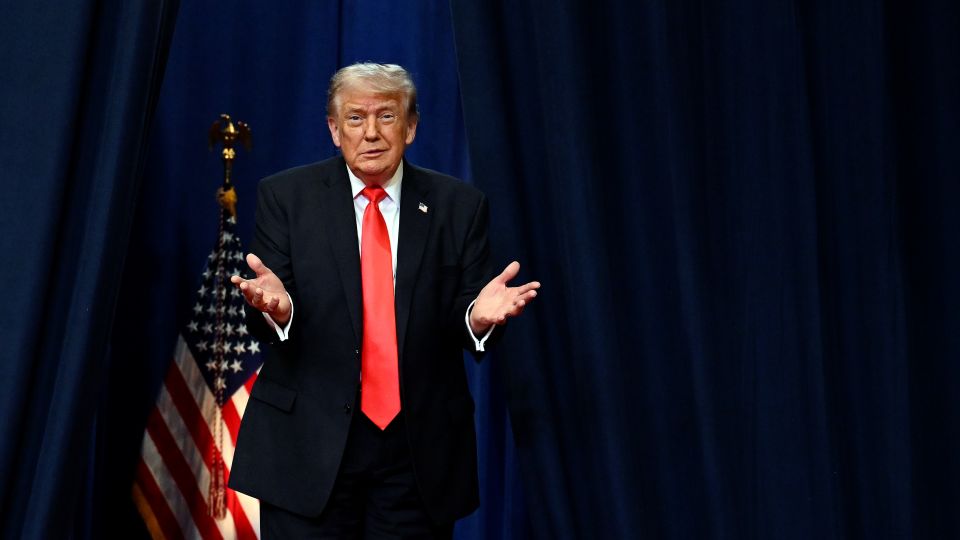
2 / 11

3 / 11

4 / 11
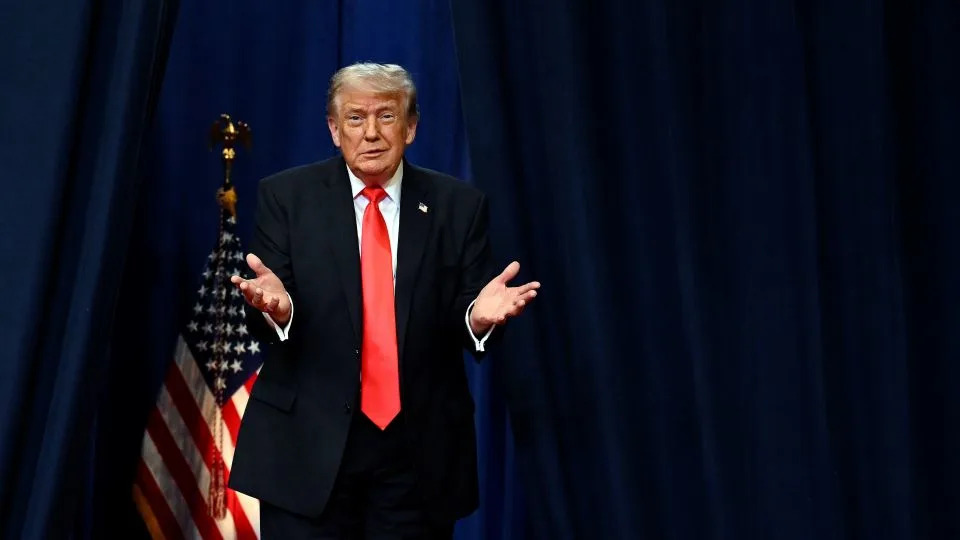
5 / 11
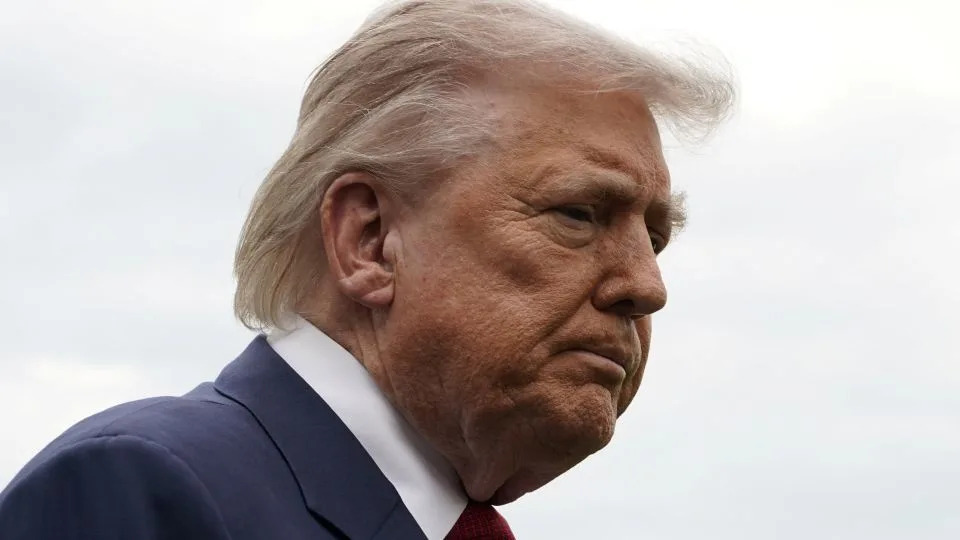
6 / 11
7 / 11
8 / 11

9 / 11

10 / 11

11 / 11
The week is still young. But it’s already been a humdinger for President Donald Trump.

In the span of 24 hours, he appeared to doze off (again) while his top health official espoused the dangers of declining teenage sperm. He called the White House a “shit house.” He mused about making Venezuela the 51st state (after having already captured its leader). He struggled to identify Indiana University football coach Curt Cignetti, despite standing right next to him and having seemingly looked directly at him moments earlier.

And late Monday night, he unleashed a wild social media flurry that stood out even by his often-outlandish standards: posting and reposting more than 50 times in less than an hour. Those included long-debunked theories about Dominion voting machines deleting millions of votes in the 2020 election, posts about the decade-old Hillary Clinton email server controversy, a made-up claim about a GOP senator from a hoax website, unflattering AI images of prominent Democrats, three derogatory videos about Black people (including one captioned “Always scheming…”) and two separate posts advocating for the arrest of former President Barack Obama.

It’s the kind of behavior that undeniably prompts concern. But Trump, who turns 80 in June, has so far avoided a true reckoning about it. And that’s in large part because he’s spent more than a decade doing bizarre things in public, long before he was considered elderly.

Indeed, the president is graded on a curve on these things. While he often complains about how his opponents have “Trump Derangement Syndrome,” he also benefits from a sort of Trump Desensitization Syndrome.

But there is increasing evidence that Americans are growing more concerned about his conduct.

The displays this week are hardly the only recent examples of Trump’s odd behavior.

Last month, Trump repeatedly claimed Iran had agreed to all of his demands, which to this day appears completely baseless. His rhetoric about the war has been consistently, remarkably detached from reality.

At one point, he claimed his own vice president had departed on an airplane to Pakistan to negotiate an end to the war. Except JD Vance was still on terra firma (and ultimately didn’t go).

Some former Trump allies even floated invoking the 25th Amendment to remove him from office after he threatened to destroy a “whole civilization” and commit apparent war crimes in Iran.

And earlier this month, Trump had a series of public appearances where his speeches were meandering and often puzzling, including a particularly disjointed May 1 appearance in The Villages in Florida, where he cursed several times and yelled about a malfunctioning microphone.

But Trump has spent years building up Americans’ tolerance for this — either wittingly or unwittingly.

A couple years ago, after some confusing public displays during the 2024 campaign, he began talking about “the weave” to describe how he’ll “talk about like nine different things, and they all come back brilliantly together.”

Trump was overstating the ultimate coherence of what he’s saying in these appearances. But he was suddenly casting his at-times rambling speeches as an inside joke that he was in on — even a sign of his secret rhetorical genius, to those who are inclined to believe such things.

Trump’s incessant lies and other falsehoods — like on the Iran war — have also frequently been met with shrugs as he repeats them. After notching more than 30,000 false and misleading claims in his first term, Trump botching the facts isn’t even news anymore.

And over time, it becomes difficult to distinguish what could be strategic lies from the detached-from-reality falsehoods the president spouts.

Trump has also demonstrated a penchant for the attention-grabbing throughout his career, and as any reality TV star would advise, the easiest way to get attention is to do something weird or shocking.

But repeat that enough times, and the audience becomes less able to tell the difference between the deliberate provocations and the unintentional flubs. There’s a tendency to believe it might all be part of the show.

But people can only suspend their disbelief for so long. When the flubs become more obvious and frequent, observers often start to wonder what’s going on and whether age is playing a role.

Plus, voters may have a harder time overlooking Trump’s gaffes as he becomes less popular — as recent poll numbers show is happening.

Indeed, in addition to his high disapproval ratings, the data is clear that Americans increasingly see Trump as, well, a bit off.

A recent poll from Reuters and Ipsos showed 61% of Americans and even 30% of Republicans said Trump had become “more erratic with age.”

Another showed Americans said 71%-26% that Trump is not “even-tempered” — wider than the 62%-37% split that the Pew Research Center showed after the 2024 election.

A Washington Post-ABC News-Ipsos poll last month showed 59% of Americans said Trump didn’t have the mental sharpness required to serve as president — the highest such number to date and a full 16 points higher than in 2023.

And the same poll showed 67% of Americans said Trump doesn’t carefully consider important decisions. Even 30% of Republicans agreed with that statement.

Just think about what that’s saying: A majority of people believe the leader of the country, who is entrusted with making life-and-death decisions, doesn’t do so with care.

That’s a remarkably dim view of Trump as president. And it’s one that not coincidentally has set in as Trump’s popularity has hit an all-time low.

It’s not that people never noticed these things — they’re just getting more difficult to ignore.

For more CNN news and newsletters create an account at CNN.com