Press
Israel strikes Beirut for first time since Hezbollah ceasefire
Images
1 / 8

2 / 8
3 / 8
4 / 8
5 / 8
6 / 8
7 / 8
8 / 8
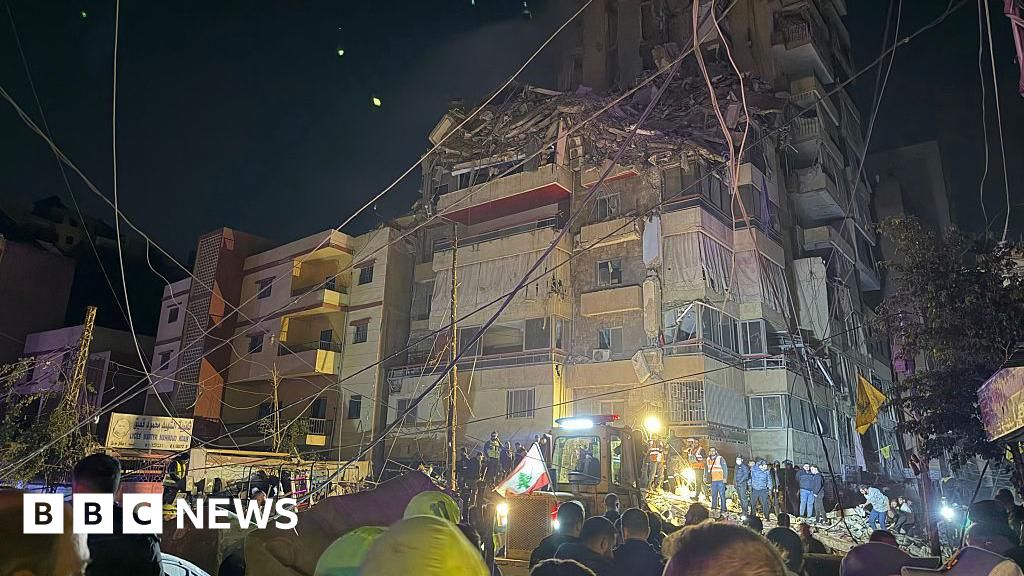
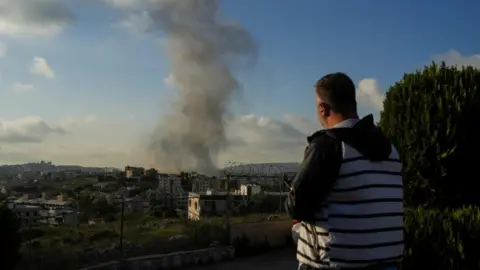
Israel has attacked Beirut for the first time since it agreed to a ceasefire in the war with the Lebanese armed group Hezbollah, putting further pressure on a deal that has failed to stop the conflict.

The air strike hit the city's southern suburbs, known as Dahieh, where Hezbollah is based. Images posted online showed large flames and at least one building heavily damaged.

In a statement, Israeli Prime Minister Benjamin Netanyahu said he had personally approved the strike which targeted a commander of the group's elite Radwan Force.

Local media reports say members of the unit were meeting when the attack happened at around 20:00 local time (18:00 BST). There has been no reaction from Hezbollah.

This is the first attack to hit Dahieh since US President Donald Trump announced a ceasefire deal between the governments of Israel and Lebanon on 16 April.

Despite the agreement, Israel and Hezbollah have continued with their attacks, accusing each other of violations.

Most of Israel's air strikes have hit southern Lebanon, with the military saying it is striking infrastructure and people linked to Hezbollah, the Iranian-backed militia and political party.

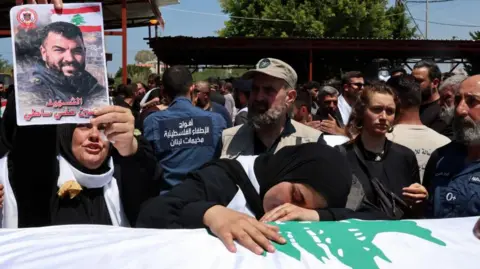
According to Lebanon's health ministry, the attacks have killed more than 120 people across the country in the past week alone, including women and children. The ministry does not distinguish combatants from civilians.

The Israeli military also occupies a strip of Lebanese land along the border, and officials say the aim is to create what they describe as a Hezbollah-free security zone to protect Israel's northern communities.

In those areas, entire villages have been destroyed, in actions similar to the ones deployed by the Israeli military in Gaza. Rights groups say some cases could amount to war crimes.

Hezbollah, meanwhile, has carried out attacks on Israeli troops in Lebanon and northern Israel with rockets and drones.

Last week, an Israeli defence ministry contractor was killed by a drone while operating an excavator in southern Lebanon.

The group, which was not involved in the negotiations for the ceasefire, had initially indicated it would observe the deal if it was respected by Israel.

Dahieh, once a vibrant and densely populated district, has remained largely empty since the ceasefire, with residents saying they fear returning home because of the threat of Israeli strikes.

Netanyahu said the commander targeted had been responsible for attacks on Israeli communities and for targeting Israeli soldiers.

He said in a statement: "No terrorist is immune - Israel's long arm will reach every enemy and murderer."

Talks between Israel and Lebanon, supported by the US, have continued, but largely at the ambassador level, with Lebanese President Joseph Aoun rejecting a meeting with Netanyahu any time soon.

More than 2,700 people have been killed in Lebanon since 2 March, according to the health ministry.

Israel has announced that 16 soldiers and one civilian have been killed in southern Lebanon, along with two civilians in northern Israel.

The bombs started falling at 14:15 in the afternoon - bringing chaos and destruction across the country.

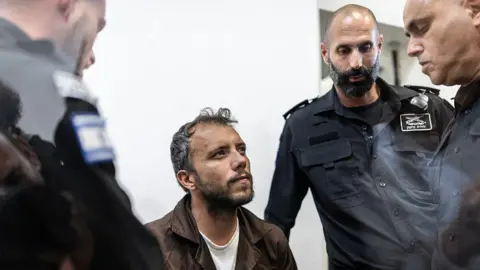
Thiago Ávila and Saif Abu Keshek were detained by Israeli forces who intercepted the flotilla's boats near Greece last week.

The health ministry says 110 people have been killed in Israeli strikes on southern Lebanon since Thursday.

Four women and a child are among the dead, as fighting between Israel and Iran-backed Hezbollah continues despite a ceasefire.

In the Gaza Strip, the daily battles are now with rats, weasels, and other pests spreading diseases.