yahoo Press
Should you be worried about jet fuel shortages in Europe this summer?
Images
1 / 8
2 / 8

3 / 8

4 / 8

5 / 8

6 / 8
7 / 8

8 / 8
Subscribe to The Post Most newsletter for the most important and interesting stories from The Washington Post.

Your flights are booked, the hotel reserved and the guidebook open for that summer getaway. Maybe it’s to the beaches of Sicily for a “White Lotus”-inspired fantasy or hiking in the Swiss Alps.

You know that the Iran war has pushed oil, and jet fuel, prices up, but with everything already booked, you’re comfortable with a laissez-faire attitude about the situation. You beat sky-high airfares; what else is there to worry about?

Then you get the notification: Your itinerary has changed. Maybe the airline simply adjusted your flight and you’ll arrive a few hours later to your destination. No big deal - you don’t mind grabbing a pint at the Munich airport’s terminal brewery, Airbräu, on that longer-than-expected layover.

Maybe take a beat before that beer.

The European Commission said in a statement Thursday that no fuel shortages exist but that if the Strait of Hormuz is closed past May, a bloc-wide response may be necessary to address shrinking stockpiles.

The head of the International Energy Agency has even warned that Europe, which imports as much as 30 percent of its jet fuel, could run out by June.

“If you have any European travel this summer, you should be aware because you may be impacted,” says Katy Nastro of the travel site Going. “Ignorance should not be bliss in this scenario. You want to be tuned in so you always have a fallback in mind.”

The best-case scenario, laid out in a recent report on the fuel supply issue by the Brussels-based International Federation of Air Traffic Controllers’ Associations, is that even if a shortage is avoided, high fuel prices will endure through the summer. The worst case? There will be fuel shortages at airports across Europe, particularly smaller ones with limited fuel supply options. Either way, airlines are already raising fares and canceling flights.

The outbreak of the war in late February grounded more than half the flights between Europe and the Middle East. In April, Lufthansa exited three smaller cities in Norway and Poland. Discount carriers Edelweiss Air and Norse Atlantic Airways have canceled select transatlantic flights, including to Denver and Los Angeles.

Major European airlines, including Air France, British Airways and Lufthansa, cut flights in May by more than 4 percent from schedules published in February, according to data from aviation analytics firm Cirium.

So, with airlines already making changes, here are some tips on how you can avoid having your travel plans completely disrupted.

Do not immediately unpack your bags if your flight this summer is canceled, experts say. Most airlines are required to offer you an alternative flight, often with a more circuitous route or maybe on a different day, or a cash refund.

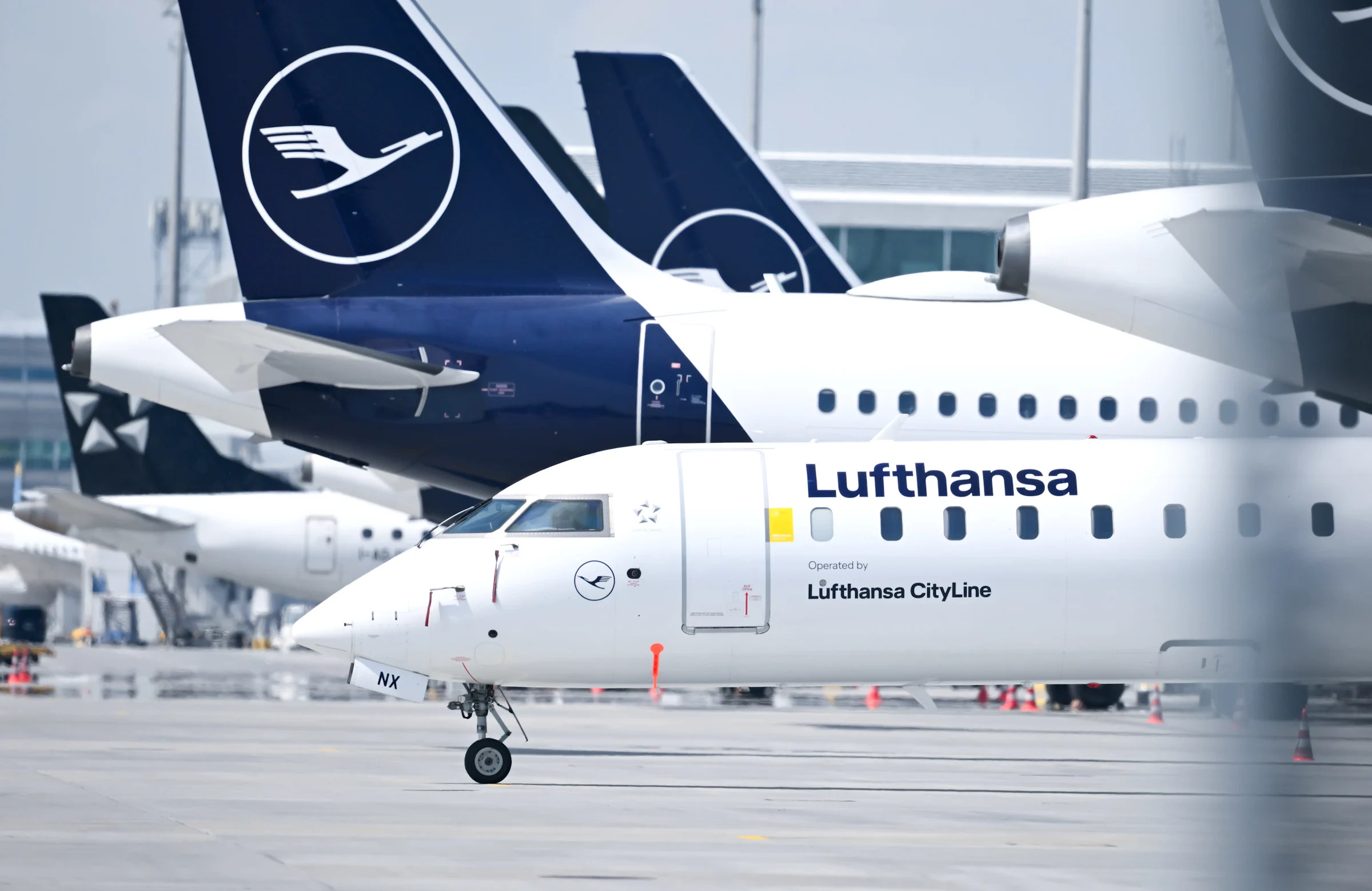
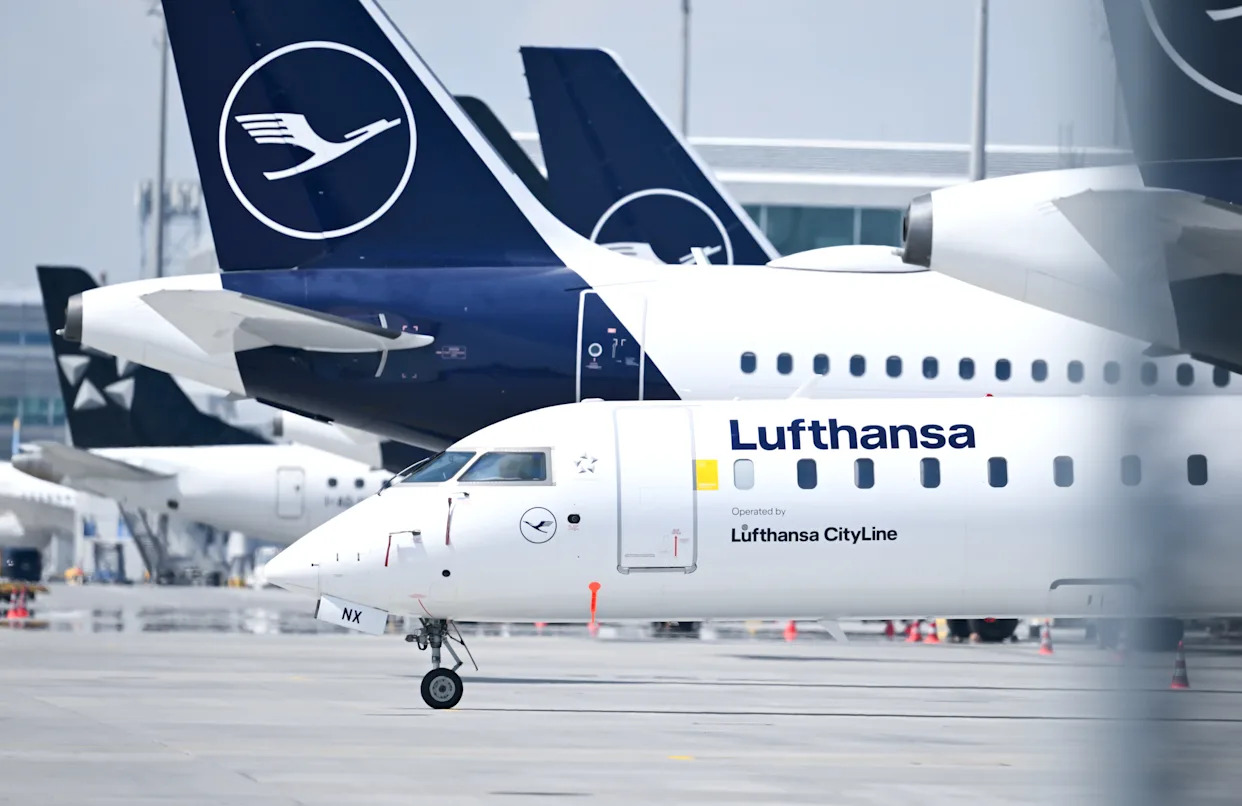
The Lufthansa Group, as part of its cuts, is concentrating flight connections to 10 smaller destinations across Europe in just one of its six hubs rather than offering multiple options. This means fewer transfers in Frankfurt or Munich and more in Brussels, Vienna or Zurich.

“It’s easier for European airlines to find replacement options on short-haul routes than long-haul” ones, says Henry Harteveldt, an aviation industry analyst and founder and president of Atmosphere Research Group. “Lufthansa, for example, can explore rerouting passengers on a canceled intra-European flight on other intra-European flights operated by Lufthansa or on one of its sister airlines.”

Travelers are eligible for compensation under European Union and British consumer protection rules if their flights are changed or canceled less than 14 days before departure or delayed by more than three hours. Airlines, however, can deny claims for reasons outside their control, like weather.

“If they cancel outside the 14-day buffer, you’re going to get your refund,” says Eric Napoli, the chief legal officer at AirHelp, which helps travelers claim compensation. “If they don’t, you’re going to get your refund and 600 euros, about $700.”

If your flight is canceled, look into rail options. Europe has a robust passenger rail network that can get travelers to just about every corner of the continent. Airports in Amsterdam, Frankfurt, Paris and Zurich have intercity rail stations that allow for easy transfers.

And when planning a trip, consider booking a train instead of a flight.

“Trains offer a solid alternative to short-haul flights almost anywhere in Europe,” says Jon Worth, a railway enthusiast and independent commentator on European trains. “But to avoid it being excessively costly, book ahead - that’s the way to get the cheapest tickets.”

To avoid pricey train tickets, Worth recommends Eurail passes for non-Europeans who plan to make several train journeys, or check out the Deutsche Bahn website, which includes most rail operators across the continent.

Keep in mind, too, that some airlines offer direct flight-rail connections on some short-haul routes. On Air France, travelers can book a Train + Air ticket, which includes both the flight and the train portion of a trip on a single ticket to destinations across France and to Amsterdam and Brussels. These connections are guaranteed even if your flight or train is delayed.

Julia Gordon, a spokeswoman for Air France, says the airline recently expanded its rail connections at Charles de Gaulle Airport to more destinations in southern France, including Avignon and Marseille.

The airline has not canceled any flights over fuel concerns but has increased fares by up to 70 euros, Gordon says.

Long-distance buses are also an option, especially to destinations that lack train service.

For thrifty globe trotter Matt Kepnes of Nomadic Matt, the smartest move is to buy travel insurance.

“If your flight got canceled, you might have a trip delay or trip interruption, so they’re going to be covering some of that,” he says. Policies also cover other bookings, including hotels and tour packages.

Buyer beware, though: The price of some policies has increased by double digits since the beginning of March, according to travel insurance comparison platform SquareMouth. And there may be limitations on claims.

Then there is always the option most travelers don’t not want to hear: Skip Europe altogether.

“I would have a backup plan to go somewhere closer,” Kepnes says. “Go to the U.S., go to Canada, go to Mexico,” where fuel shortages are less of a concern.

Related Content