Press
Three key statements Keir Starmer made to MPs about Peter Mandelson vetting
Images
1 / 9

2 / 9
3 / 9

4 / 9
5 / 9
6 / 9
7 / 9
8 / 9
9 / 9
MPs are to vote on Tuesday over whether Prime Minister Sir Keir Starmer should be investigated in Parliament for allegedly misleading the House of Commons.

It relates to several comments he made about the process of appointing Lord Mandelson as the UK's ambassador to the US in December 2024. Lord Mandelson was sacked the following September over his links to the convicted sex offender Jeffrey Epstein.

On Monday night Sir Keir told Labour MPs the accusation he had misled the House was "totally baseless" and accused the Conservatives of a "political stunt".

Here, BBC Verify examines three statements the prime minister made in the Commons that his accusers claim were misleading.

Sir Keir was asked at Prime Minister's Questions on Wednesday 22 April whether he still thought that "full due process" had been followed in the appointment of Lord Mandelson.

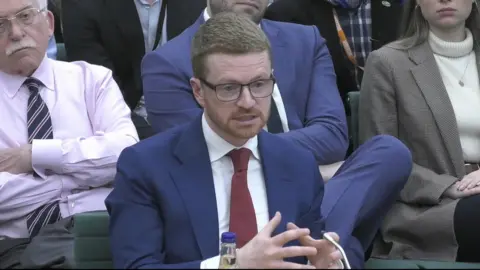
He replied he did and went on to talk about the evidence given to the Commons Foreign Affairs Select Committee the day before by Sir Olly Robbins - the former top official at the Foreign Office whom the prime minister had recently sacked.

"Sir Olly Robbins could not have been clearer in his evidence yesterday," the prime minister said at PMQs. "He said that 'I didn't feel under… pressure personally in terms of my judgement'."

Sir Keir then claimed: "No pressure existed whatsoever in relation to this case."

Sir Olly did tell the committee his decision to grant Lord Mandelson security clearance after a vetting process was not affected by pressure from No 10 Downing Street.

But Sir Olly also told the committee that "my office and the foreign secretary's office were under constant pressure. There was an atmosphere of constant chasing".

Asked about where the pressure was coming from Sir Olly said the source he "was most conscious of was from the No 10 private office".

No 10 has said Sir Keir meant there was only pressure to get the appointment approved as soon as possible - not the final decision on whether to grant vetting clearance.

The prime minister told the Sunday Times there were "different types of pressure". "There's pressure – 'Can we get this done quickly?' – which is not an unusual pressure. That is the everyday pressure of government," he said.

On 10 September 2025, as more details emerged about Lord Mandelson's friendship with Epstein, Sir Keir was asked by Conservative Party leader Kemi Badenoch if he had been aware of the pair's connections when he made the appointment in December 2024.

The prime minister told MPs: "Full due process was followed during this appointment."

On 16 April 2026 it emerged the body that carries out developed vetting - UK Security Vetting (UKSV) - had recommended that Lord Mandelson should not be given security clearance for his ambassador's role.

Sir Olly confirmed to the Foreign Affairs Select Committee on 21 April that he personally approved Lord Mandelson's security vetting clearance and did not tell the prime minister about the initial recommendations of UKSV - which he said was the proper process.

Sir Olly said in a letter to the committee: "When the prime minister informed the House that the proper process had been followed in respect of NSV [National Security Vetting], he was correct."

Liberal Democrat leader Sir Ed Davey has questioned whether due process was followed because Mandelson's security vetting happened after his appointment had been confirmed.

Sir Ed has pointed to a November 2024 letter to the PM from former Cabinet Secretary Sir Simon Case.

In the letter Sir Simon says: "You should give us the name of the person you would like to appoint and we will develop a plan for them to acquire the necessary security clearances and do due diligence on any potential Conflicts of Interest or other issues of which you should be aware before confirming your choice."

Case's successor as cabinet secretary Sir Chris Wormald said in a letter to the Commons public administration committee on 30 October 2025 that such vetting: "Will usually happen after a job offer and before an individual takes up post."

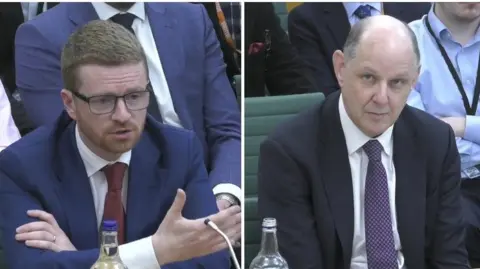
But Sir Olly's predecessor Sir Philip Barton, giving evidence to the Foreign Affairs Committee, said the "the normal order is vetting then announcement".

Another statement mentioned in Tuesday's motion was the prime minister saying on 20 April 2026: "I have made it clear that my position was that the appointment [of Mandelson] was subject to developed vetting [DV]."

Sir Keir had been asked in the Commons about the advice from the cabinet secretary at the time - Sir Simon Case - that vetting should be carried out before the ambassador's appointment was announced.

During his evidence to the Foreign Affairs Select Committee Sir Olly Robbins said: "I am afraid that I do not think at the point of his appointment and for days thereafter it was actually a given that he would be vetted."

Sir Olly also referenced the press release sent on 20 December 2024 which said the prime minister had "confirmed the appointment" of Lord Mandelson.

"The announcement put out on 20 December says that he will be out early in the new year - it does not say, 'subject to vetting'," he said.

The committee was later told, in a letter from the interim top civil servant at the Foreign Office, that there had been discussions between security officials in the department and the Cabinet Office "over whether Lord Mandelson needed DV vetting as a 'Fit and Proper Person' given his membership of the House of Lords".

The letter goes on to say that the settled view on 23 December was that developed vetting was needed.

What do you want BBC Verify to investigate?

Morgan McSweeney says the peer did not give the "full truth" about his relationship with Epstein.

Former top Foreign Office civil servant Sir Philip Barton and ex-No 10 chief of staff Morgan McSweeney are answering MPs' questions.

Key moments as Morgan McSweeney gives evidence to MPs about Peter Mandelson's appointment as US ambassador.

Sir Philip Barton says he was worried Lord Mandelson's links to sex offender Jeffrey Epstein "could be a problem".

Keir Starmer brands the vote "pure politics" and urges Labour MPs to "stand together against it".