Press
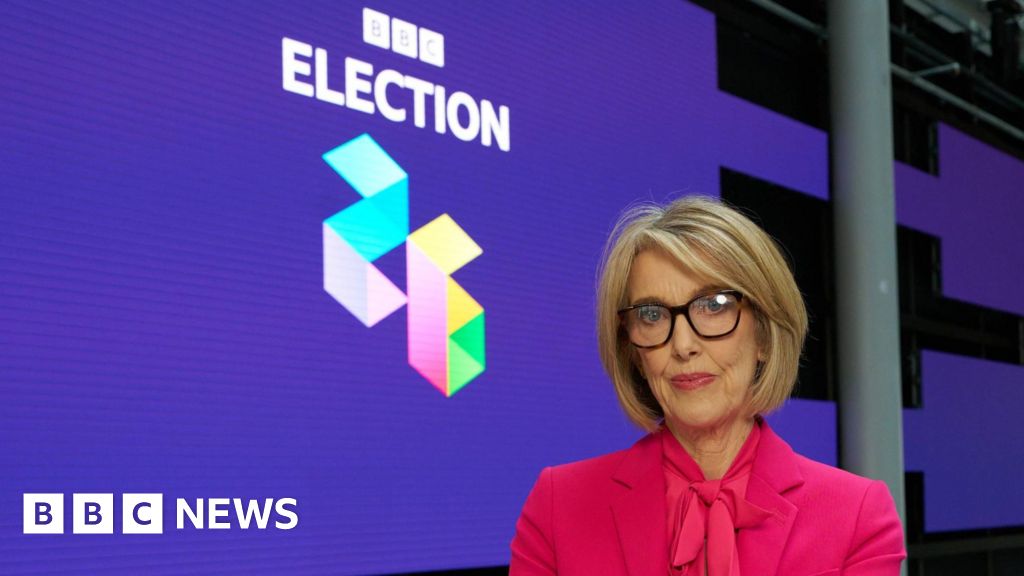
Election 2026 - The Leaders' Debate: Parties gear up for live show
Images
1 / 9

2 / 9
3 / 9

4 / 9
5 / 9
6 / 9
7 / 9
8 / 9
9 / 9
We're counting down to the Senedd election, and gearing up to what could be a very revealing hour-and-a-half of television at Tuesday's leaders' debate.

Political debates can be tetchy and noisy at times, but they're also an opportunity for voters to learn more about the individuals leading the parties and what their priorities will be if they get a chance to govern.

For the six party leaders taking part it is a chance to sell themselves and their policies to undecided voters, but it's not without peril.

Mistakes can be made during a live debate. It could be a slip of the tongue, a flash of anger or even a strong reaction from an audience member.

With just over a week to go, in a very tight election, nobody can afford that.

What can we expect from the debate?

This is an election unlike any other we've had in Wales. The new electoral system and more politicians means the next Senedd will look very different.

But there is also the potential for real political jeopardy, with polls suggesting Labour's 27-year dominance is under serious threat from Plaid Cymru and Reform.

So there is pressure to perform and not mess it up. If they do make an error, it won't just be the people watching who see it, mistakes will be clipped up and shared on social media within minutes.

Each one of the leaders will have prepared answers for a host of topics, rehearsed their core messages and practised their attack lines to challenge the other leaders.

What's impossible to predict is what the audience will say. It could be a strong reaction to a policy or comment, or a personal experience which highlights the difference between political promises and day-to-day reality.

Politicians are used to batting off each other's criticism, but a moving story about a particularly bad experience in a hospital, or the struggles to feed a family can challenge even the most experienced politician.

Health, education and the cost of living are some of the key concerns for voters in this election and are sure to be discussed during the debate.

But the one issue that's most likely to lead to clashes is immigration.

Immigration policy is controlled by Westminster, not ministers in Cardiff Bay, but - as we've seen in other debates - politicians here in Wales have plenty to say about it.

Expect Reform and the Conservatives to bring up Welsh government spending on the Nation of Sanctuary, the policy which aims to help refugees and asylum seekers placed in Wales to integrate and access public services.

They would like to see it come to an end, arguing the money should be spent on public services instead.

Plaid Cymru, Labour, Liberal Democrats and the Green Party support the policy however, and in the past have accused Reform and the Conservatives of fuelling division.

There's just over a week to go until the election, yet we should expect a discussion about what happens after 7 May.

It's unlikely that any single party will win a majority under the new voting system for the Senedd, which aims to better reflect how people vote.

As a result, parties may have to come to some kind of agreement before a first minister can be elected. Don't ignore the smaller parties, they may get a chance to implement some of their policies as part of an agreement with the governing party.

So, look out for what is said about who parties might be willing to work with and what their priorities will be in any discussions after the election.

With six politicians vying for your attention, these debates can be noisy and argumentative, but they can also be enlightening and influential.

Let's hope we get more of the latter as we approach the final week of this election campaign.

Election 2026 - The Leaders' Debate will be available on BBC1 Wales, iPlayer and the BBC website from 20:00 BST on 28 April

Millions will vote in parliamentary elections in Scotland and Wales, and local elections in England.

Banks wrote "Welsh lad?" in response to a video from a black Plaid Cymru activist.

The National Records of Scotland said the change is "mainly driven by migration falling from unusually high levels".

There has been a particular increase in HMOs in Bolton town centre as well as in Farnworth and Horwich.

Sir Ed previously said Dodds should reflect on her position, and recently campaigned in Wales without her.