buzzfeed Press
Aaron Tveit Says "Chess" Is The Hardest Role He’s Ever Sung — And He Learns Something New Every Night
Images
1 / 12
2 / 12

3 / 12
4 / 12
5 / 12
6 / 12
7 / 12
8 / 12
9 / 12
10 / 12
11 / 12
12 / 12
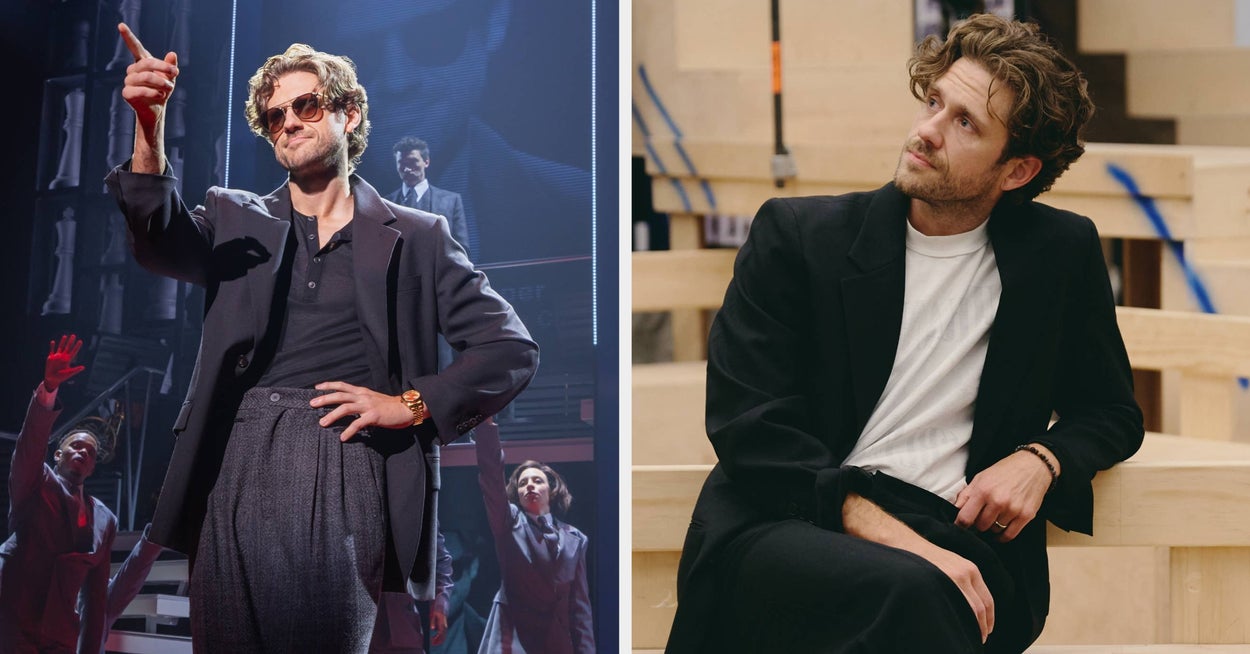
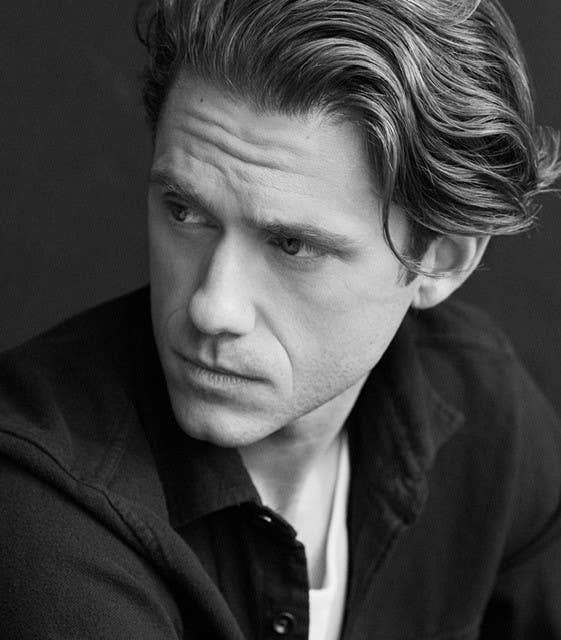
With one of Broadway’s toughest scores, “Chess” is no walk in the park. We caught up with Aaron to hear what it’s like stepping into Freddie’s shoes, and how the role is his most challenging yet.

I’m a pop-culture writer covering everything from TV and movies, to music, Broadway, books, and games.

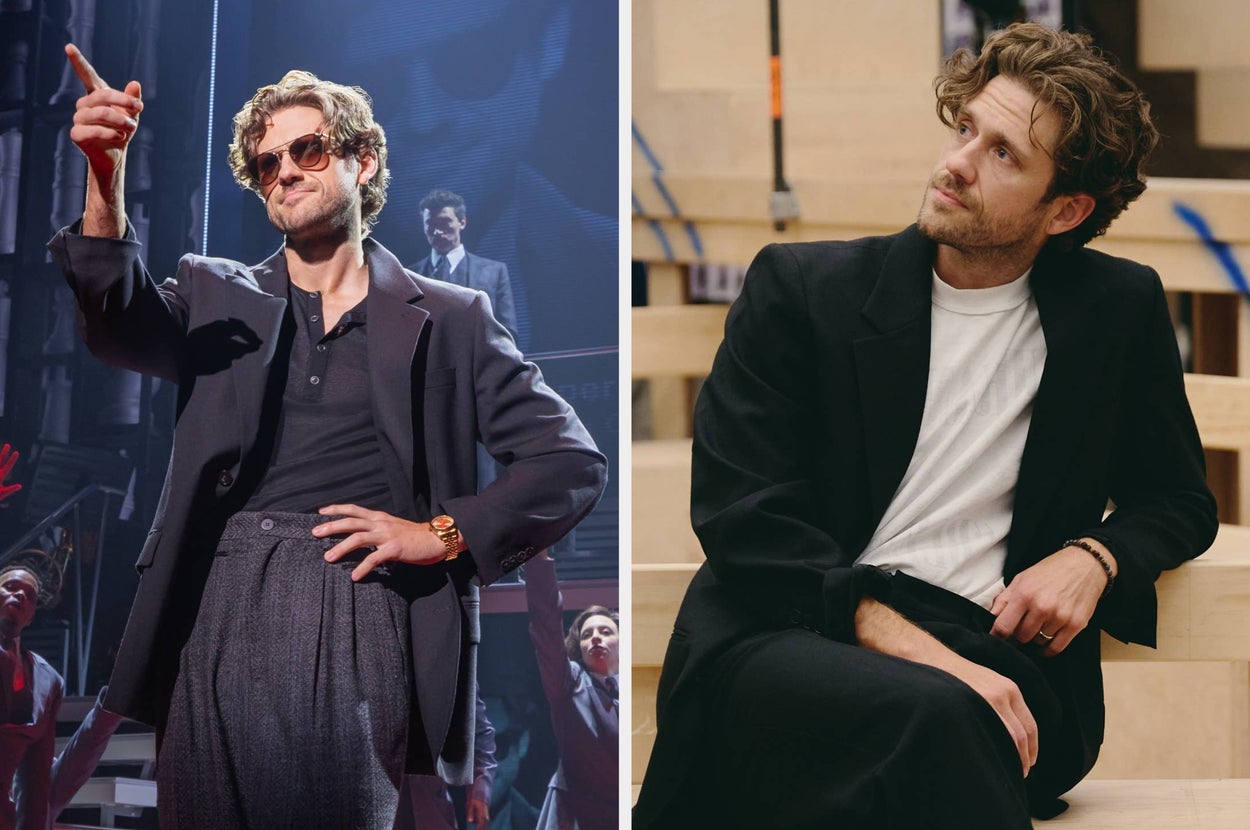
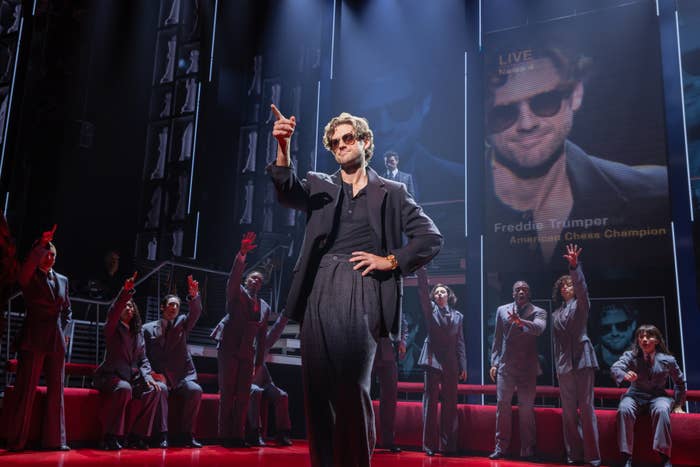
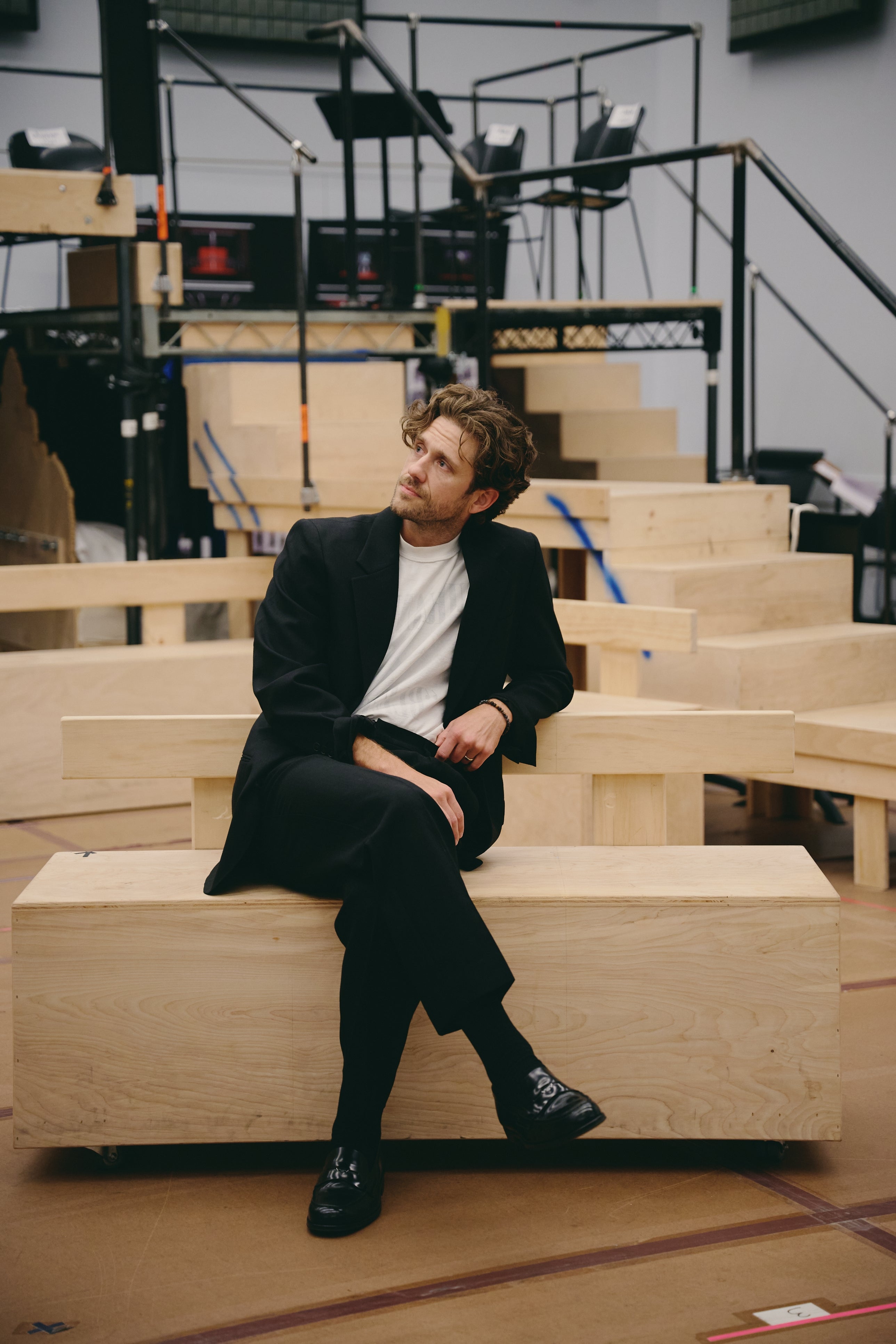
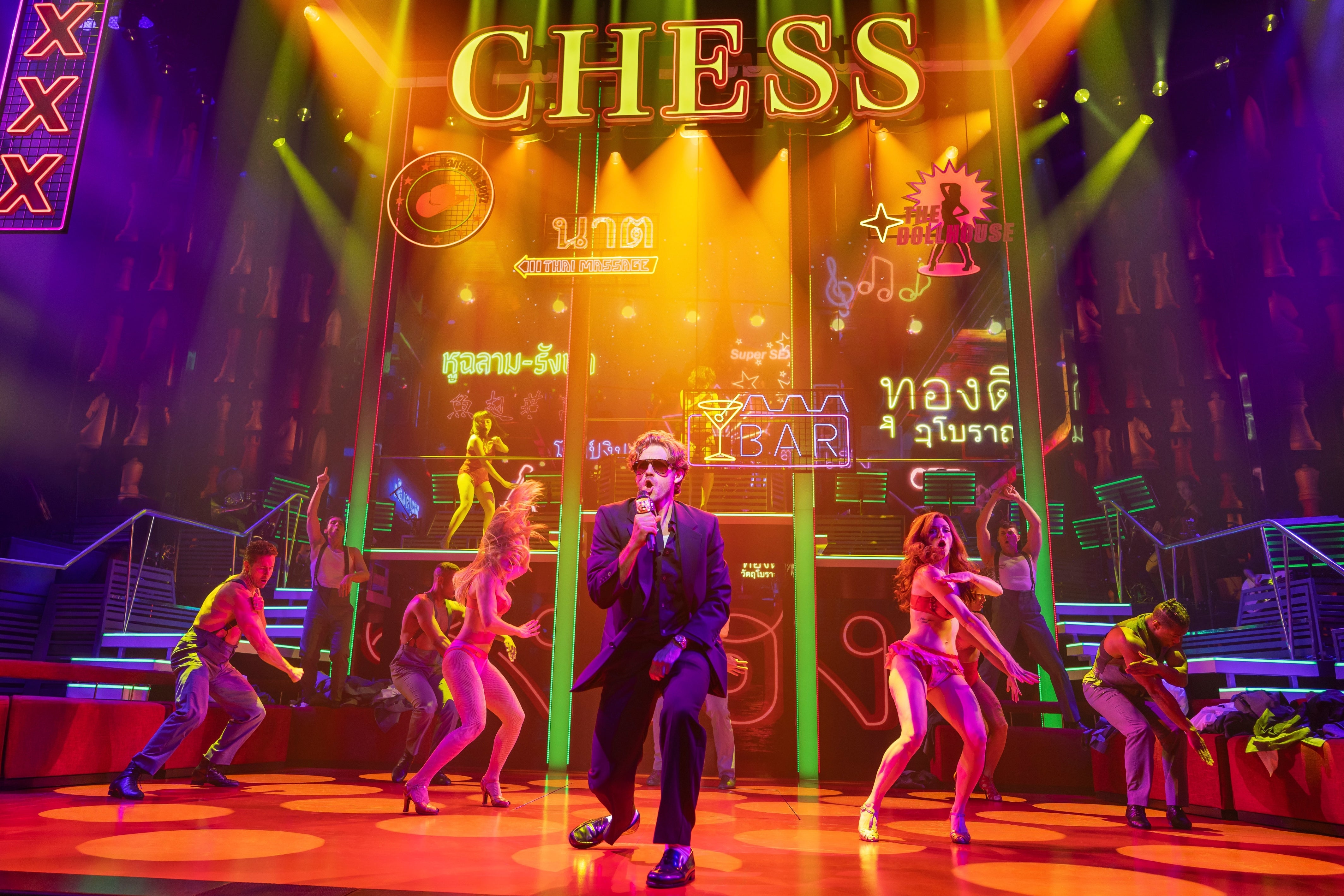
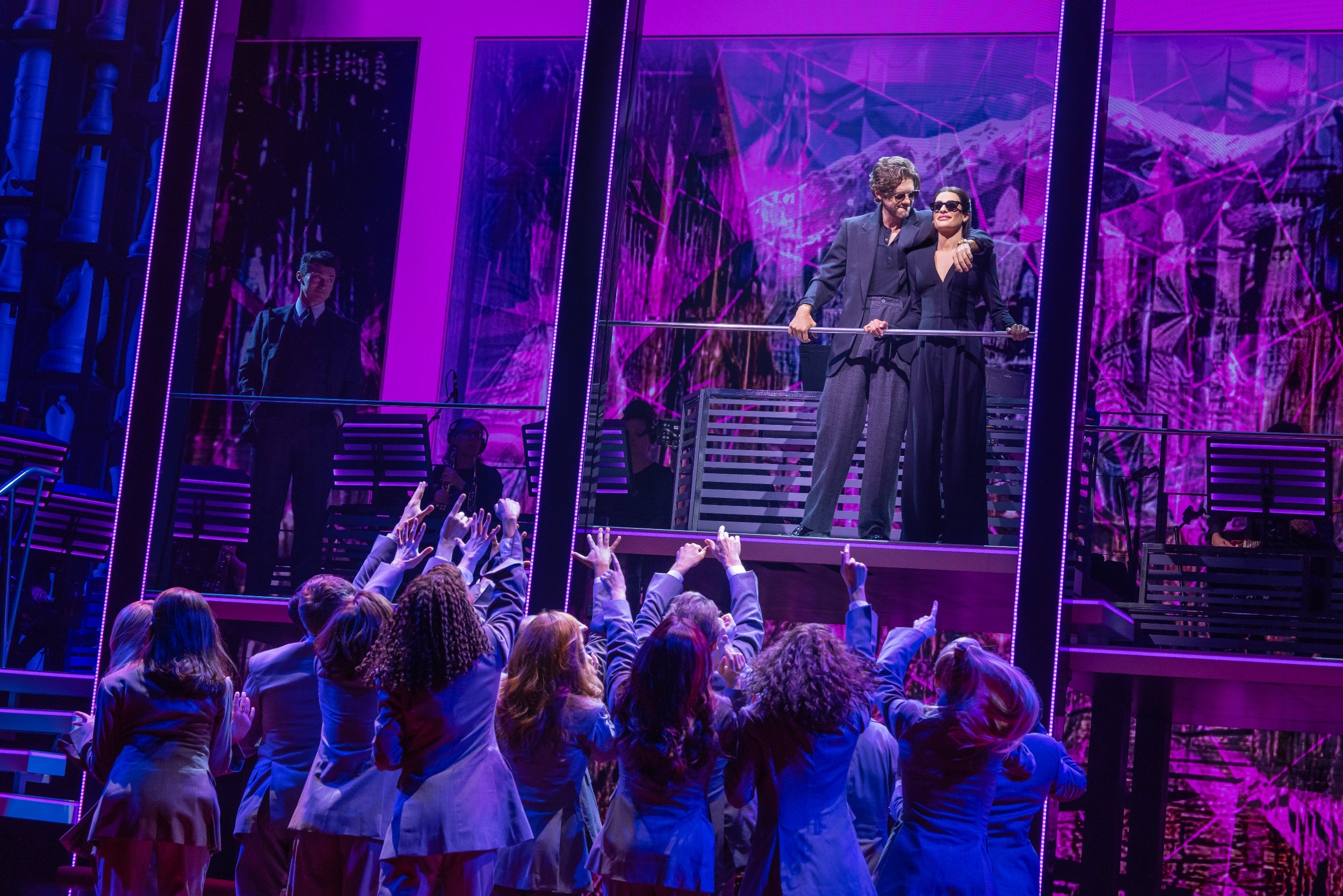
If you've made a trip to the Imperial Theatre, you've witnessed Aaron's expert command of the stage. From the swagger of "One Night in Bangkok" to the unraveling vulnerability of "Pity the Child," Freddie is an incredibly complex character. Not only does the chess grandmaster toe the line between two contrasting personalities, but he is also one of the most vocally challenging roles on Broadway.

It was a true honor to catch up with Aaron about stepping into his most demanding role and what Chess means to him.

Note: This interview has been edited for length and clarity.

Aaron: Thank you. I've been very fortunate that I've gotten to do a lot of varied work. I’ve never really done just one thing. Especially in theater, I always look for complicated characters.

I think this is one of the most complicated characters I've played yet. Freddie is dealing with severe mental health issues, and I really wanted to touch on that as authentically as possible. I had a lot of conversations about that with Michael [Mayer], the director, and Danny [Strong], the writer. That's been a lot of work and a lot of fun to dive into.

On top of it, I think the singing is the hardest I've ever done. Those two things combined have made it quite challenging, but I'm always looking for things that are challenging.

It's been really rewarding to be four or five months in, and I'm still learning things about the show and the role every day. I've been a huge fan of Chess and the music for a very long time. It's still not sinking in that I get to be a part of this revival that I think a lot of people have waited for.

Aaron: That’s a great question. It all came from thinking about his mental health. If he's struggling with manic-depressive disorder or undiagnosed bipolar disorder, it’s all about those highs and lows.

That gave me a lot of license. When he’s manic and excited and public-facing, he gets to be this "rock star" in his own mind. I think there’s also a lot of deep-rooted narcissism inside of him, so that feeds into his qualities. The double-edged sword is: when all that goes away, he falls really hard to the other side.

During Sweeney Todd, the associate choreographer, Chelsey Arce, and I started using different colors in the script to represent Sweeney's anger and rage. For Chess, I used that same idea she had, assigning a different color to Freddie in each scene based on where he is on that manic-depressive spectrum.

Aaron: I'm so fortunate that I'm lifted by, I think, five of the guys in the ensemble, and two of the women are holding my pants at a very specific spot for me to get in. So I'm doing the least amount of work in that moment — it's really them that make it happen every night. I'm very lucky to be figuratively and literally supported through that.

That number is iconic, right? Even people who don't know Chess have heard that song, so there's always a responsibility that comes with that.

We had this idea to find Freddie as he's off his meds, kind of self-medicating, for lack of a better term, in Bangkok. What would it be like to prop him up and get him ready to do his job as an on-camera analyst? That’s where it all came from.

We just had so much fun with the ensemble and Lorin Latarro, the choreographer, finding out what that meant, and what we could do with it. It was this big mountain to climb, because we were hopefully doing this number in our own way.

Aaron: That's a great question. I think it depends on the day. My hope is, especially with singing, that I've done enough work prior to the rehearsal process. I try to do a lot of the technical singing navigation before I even step into the room. Sometimes, if you're worried about the singing, you can't focus on the scene work as much — so I try to do all that beforehand.

That being said, it's not a perfect world. We do eight shows a week, and it's really hard. There are definitely nights, like this past weekend, when it got warm, and everything bloomed, and my allergies were just insane. You're trying to figure out how to navigate all of that, and that's what happens when you're doing a long run of the show.

So there are shows like that where you're definitely thinking, "Okay, where am I placing this? How am I going to sing this?" There’s almost a "split-brain" thing that happens. Part of your brain is thinking technically, while another part is focused on the scene.

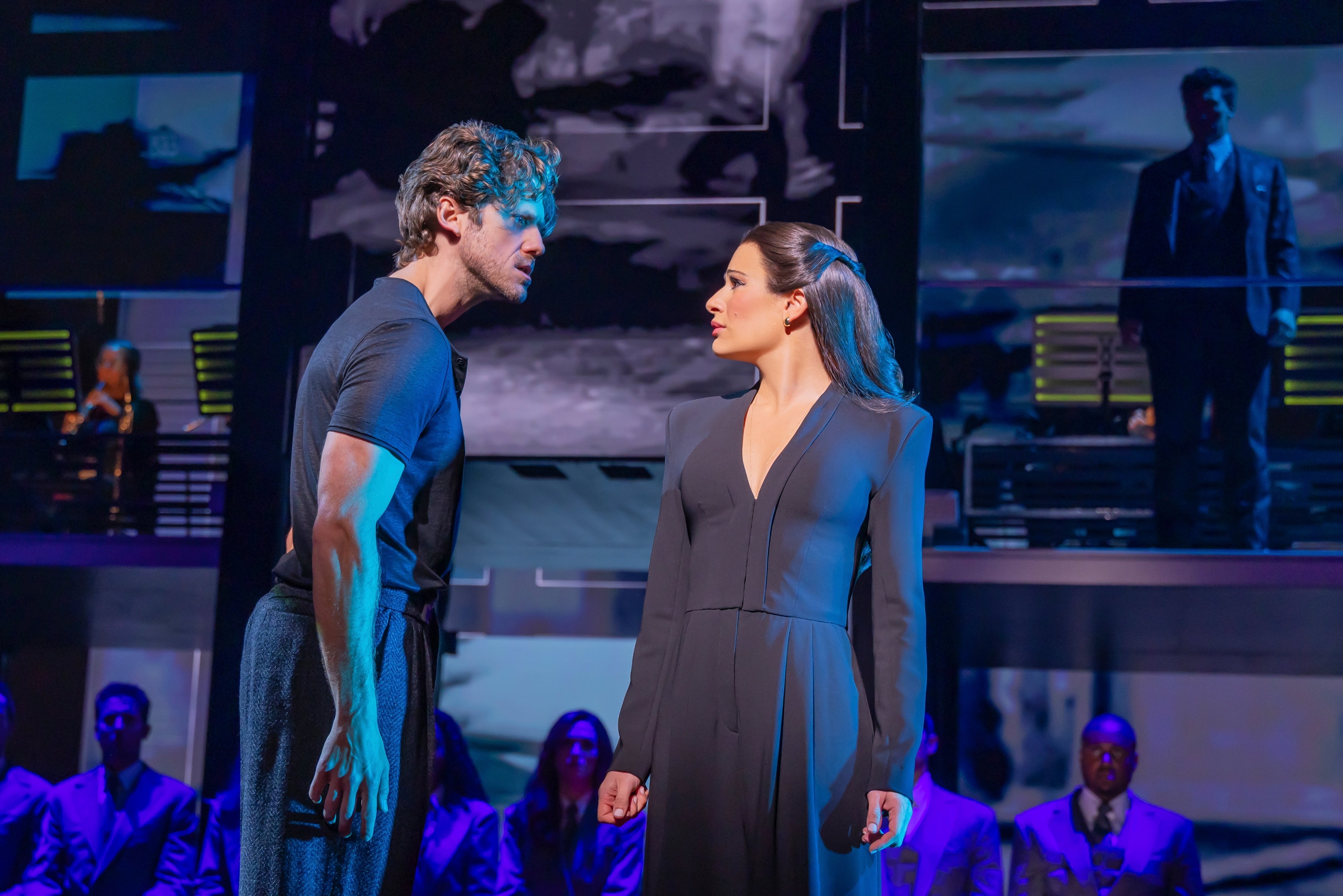
With "Pity the Child" in particular, I knew the song and had been familiar with it, but I didn’t fully understand what it was about until working on this production. It’s really Freddie being forced to look inside himself for the first time.

It's a very fascinating thing to be discovering all of that with the audience in that moment. It's an amazing thing in the theater when you get to be alone on stage with the audience. I try to make eye contact with people during that number, and it feels like I’m really speaking to them.

It’s the hardest song I’ve ever sung, but also one of the most fun things I’ve ever gotten to do.

Aaron: When you're in the long run of a show, it's one of the most important things. If you're doing something for four to six weeks, you can kind of get away with a lot of things. When you're doing something for a long time, you really need to make sure you're taking care of yourself.

I grew up studying classical music, so I have a classical foundation in my technique. I have a voice teacher in the city who's been my voice teacher for basically 20 years. Before I start something, I want to know I can physically do it in a healthy way. Once I know that, and I've checked in with her, I try to let that part go. I also find that stressing about one's voice is really detrimental to vocal health. So I try to do that work beforehand, and then let it go.

On a day-to-day basis in the show, I try to keep my baseline health as high as possible. It sounds very simple, but just making sure I'm getting enough sleep, eating correctly, and not going out too much. Lots of water and steaming. The combination of all of those things is what's worked for me.

Aaron: It was an amazing experience recording these songs in the studio. Our sound on stage is incredible, and our sound designer, John Shivers, does a remarkable job with the show. Rock musicals are so difficult because there are so many elements.

But in the studio, you get this different, sonic experience that gives you immediate feedback on your own voice. It gives you the capability to access all these different parts of your voice that can be harder to tap into live. Just hearing the band and the other singers, in a way you can't hear night to night, was amazing. As a fan of this music, the fact that I got to be in my own booth, just me and the music — it was very cool.

For "Pity the Child," we sang through it twice, and most of what you hear is the second take. They turned the lights down, and it was just me in the studio. It was one of those moments where I was trying not to get overwhelmed. It's like an out-of-body experience. I'm like floating above myself, watching myself, thinking, "How is this happening right now?"

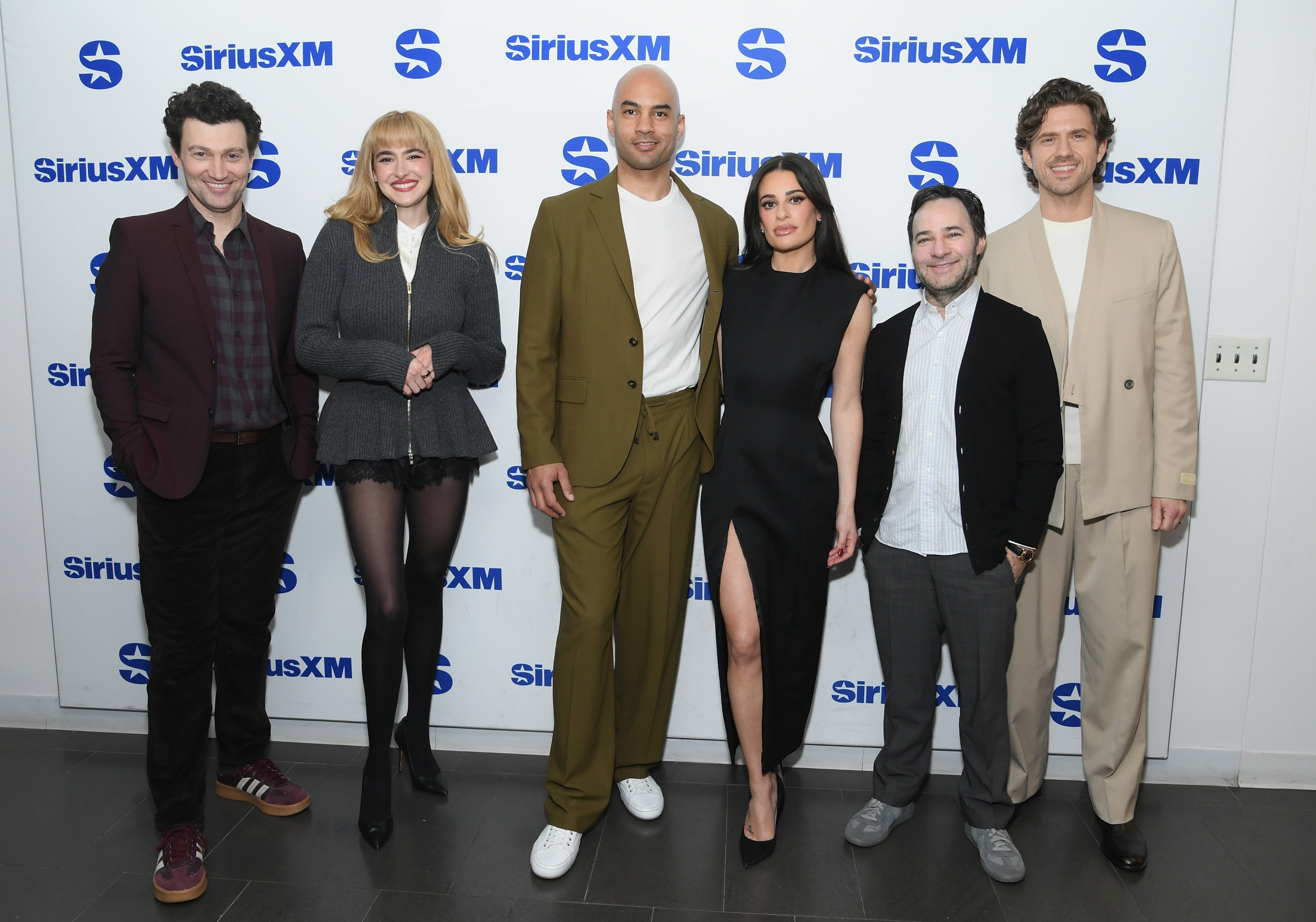
Aaron: It's wonderful. All of us got on immediately. Lea and I have known each other for many years, and I've been a huge fan of her talent, but we never worked together. Nick and I just got to do Sweeney Todd last year, but we didn't have this rehearsal process together. It's been nice to share the full experience.

From day one, we could tell that we all loved the show so much, we all cared for it, and we all approached the work the same way. Everyone is a really hard worker. Also, there's five kids under five between the three of us. There's something about the fact that we all can look at each other and know that last night might have been a rough night, and everybody just picks each other up.

Bryce [Pinkham] is also hilarious and a great guy. He's been involved with other iterations of Chess and welcomed us with open arms. We're so fortunate to have such a great group of people doing the show.

Aaron: With this show, it's twofold. The first part is just sharing this amazing music that people have loved for 40 years.

The second thing, that's been the most unexpected and rewarding, is that several people have told me that they struggle with either bipolar disorder or mental health issues. They felt seen, seeing our story. I had a similar experience with Next to Normal, where so many people went to see that show and would say to the cast and to Alice [Ripley], "Thank you for telling that story."

Mental health is still something that has a bit of a stigma in our society. If anybody can come away from Chess with more of an open mind to what that is and what that means for the people affected by it, I think that's the biggest reward that I'm finding in doing the show.

If you haven't had a chance to see the show, don't miss out on Aaron's incredible performance. Tickets are available here.

Keep up with Aaron on Instagram, @aarontveit.