yahoo Press
Supreme Court sounds likely to allow police to continue search smartphone data
Images
1 / 12
2 / 12

3 / 12

4 / 12

5 / 12

6 / 12
7 / 12
8 / 12
9 / 12

10 / 12

11 / 12

12 / 12
WASHINGTON – Supreme Court justices sounded likely to allow police to continue sifting through smartphone data to locate unidentified suspects in crimes, but explored out several options for setting limits on search warrants in such cases.

The case April 27 focused on Okello Chatrie, who was convicted of robbing a bank in Virginia in 2019 after police tracked him down by searching for smartphones in the area where robbery occurred. His lawyers contend that such a blanket search violated his Fourth Amendment right against an unreasonable search.

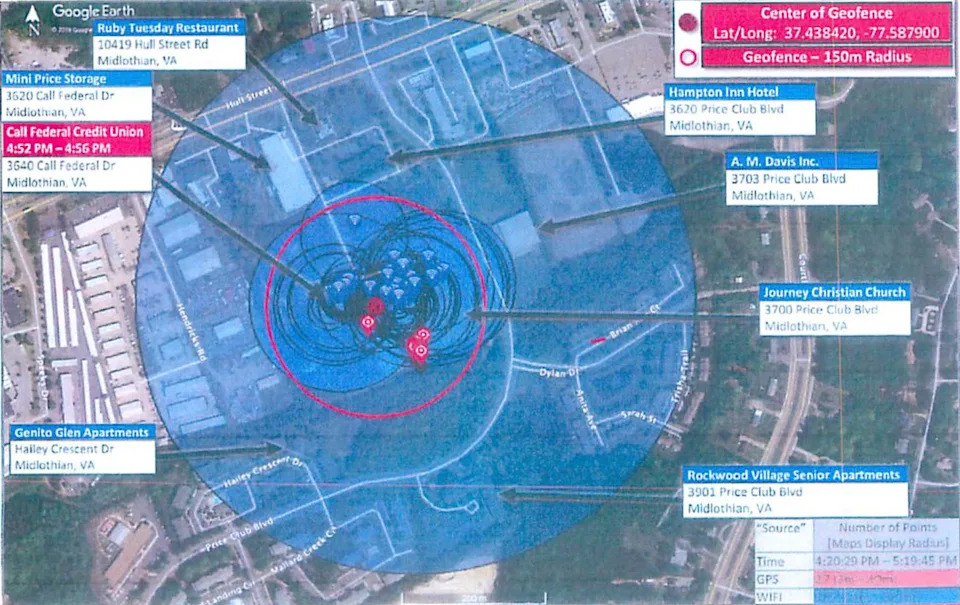
But the Justice Department argued that the review of Google narrowed its location data from 500 million users to three before providing any names of suspects to police. Nobody said the police acted improperly in getting a warrant for the information within about one-and-half football fields of the bank for an hour of either side of the robbery, but the justices explored how they might set limits on future warrants.

Justice Brett Kavanaugh said it would be difficult to dictate specific terms for warrants. He said guidelines could tell magistrate judges issuing the warrants to require reasonable suspicions for a set period of time and location.

“It strikes me that micromanaging that is going to be problematic,” Kavanaugh said.

The case is a landmark for the Supreme Court to review searches of phone data when the subject isn’t known, which are called reverse searches. Both sides portrayed the implications of the decision as potentially very broad.

Chatrie’s lawyer, Adam Unikowsky, said police asked for Google location data 9,000 times in 2019, but phone owners aren't notified, so they don't know to complain. Allowing police to search location data from smartphones would open the door to sifting through email, photos and calendars, too, he said.

“All of these arguments that the government is using to defend the earlier searches could have very broad implications,” Unikowsky said.

But Deputy Solicitor General Eric Feigin said blocking such searches would handicap police searching for murderers, kidnappers and robbers. Feigin said Chatrie was trying to expand the Fourth Amendment “into an impregnable fortress around records of his public movements that he affirmatively consented to allow Google to create, maintain and use.”

The justices sounded like they aimed to narrow the scope of the decision to avoid such wide-ranging results.

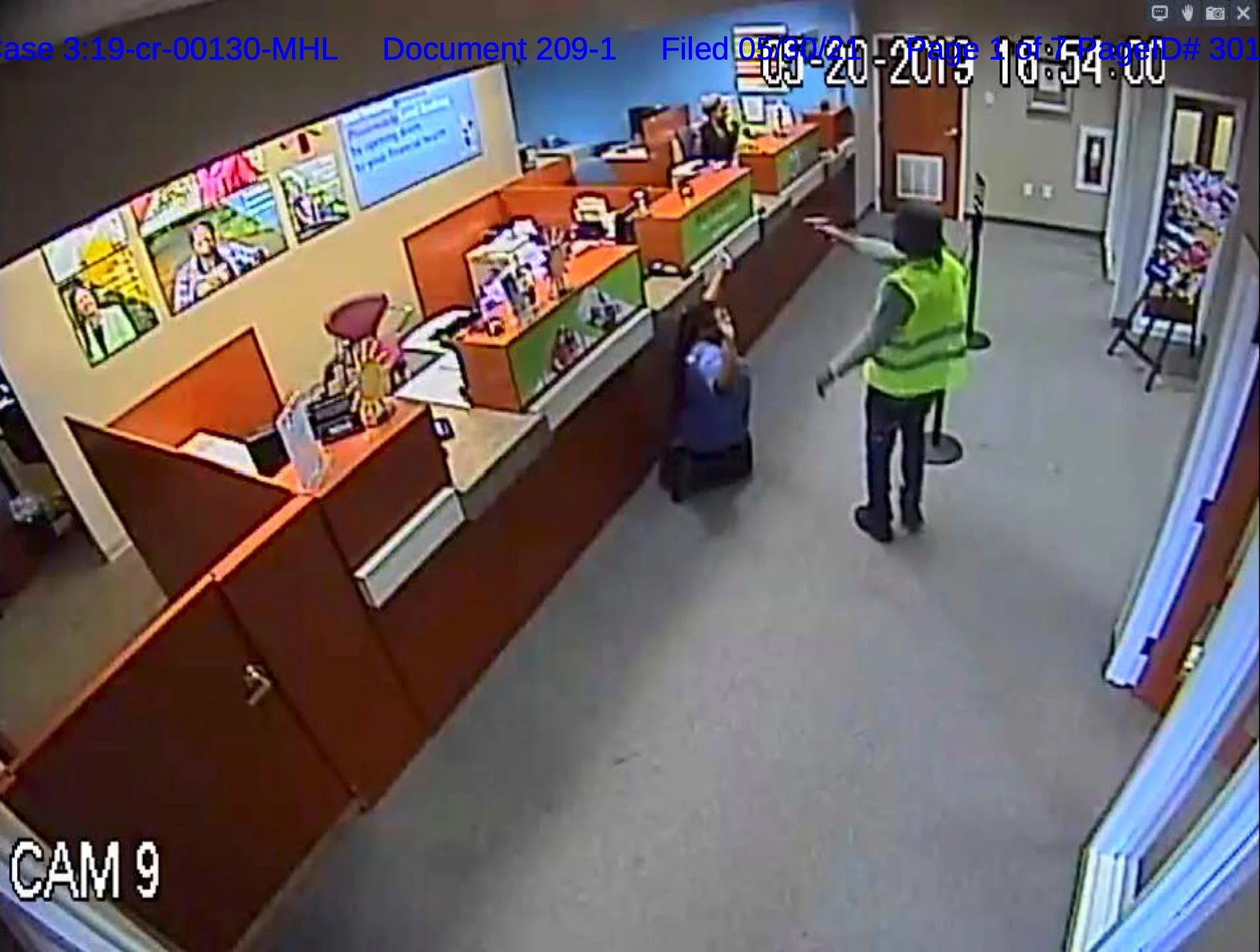
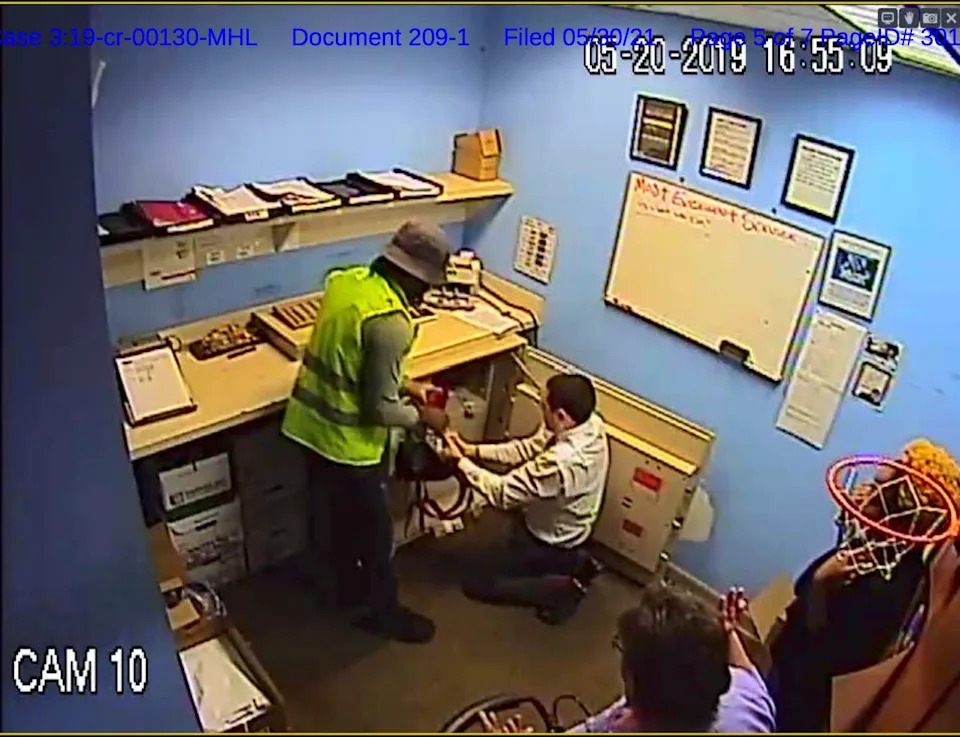
Chatrie pleaded guilty to robbing Call Federal Credit Union at gunpoint on May 20, 2019, and was sentenced to nearly 12 years in prison. Video showed Chatrie walking into the bank in Midlothian, Virginia, at 4:52 p.m. while talking on a cell phone. Police got a warrant demanding Google identify smartphones near the bank at the time, which narrowed the suspects to three, but the review also swept in more than a dozen people who remained anonymous to police who were in a church nearby.

Chief Justice John Roberts noted that Chatrie signed up for Google to track his location and could have turned the service off before robbing the bank.

“If you don’t want the government to have your location history, you just flip that off,” Roberts said. “Just like if you don’t want people to peer in your window, you can close your window or the shades.”

Justice Samuel Alito said Chatrie signed up for the service and agreed to allow Google to share his information if police asked for it.

“I’m struggling to understand why we are hearing this case, other than the fact that at least four of us voted to take it,” Alito said to laughter in court.

Google stopped storing location data on its servers in 2023 and the information is now stored on individual phones. But Justice Sonia Sotomayor said it would be helpful to map out restrictions on such searches because of how intimate the information might be.

“People take their phone now everywhere, including I suspect some people to the bathroom,” Sotomayor said. “You really have no idea what information, what private information, because it’ll follow you to a brothel. It’ll follow you to a cannabis shop.”

“You can’t know in advance what it’s going to disclose,” she added.

The justices revealed their own difficulties navigating how much phones do now. Justice Amy Coney Barrett said she had no idea how her data is stored as she struggled with how to view the case.

“I need to check my location services settings, plainly,” Barrett said to laughter. “Not that I’m going to commit crimes.”

This article originally appeared on USA TODAY: Supreme Court sounds likely to allow police to search smartphone data