Press
UN warns South Sudan at risk of ‘full-scale famine’ as fighting intensifies
Images
1 / 3

2 / 3

3 / 3
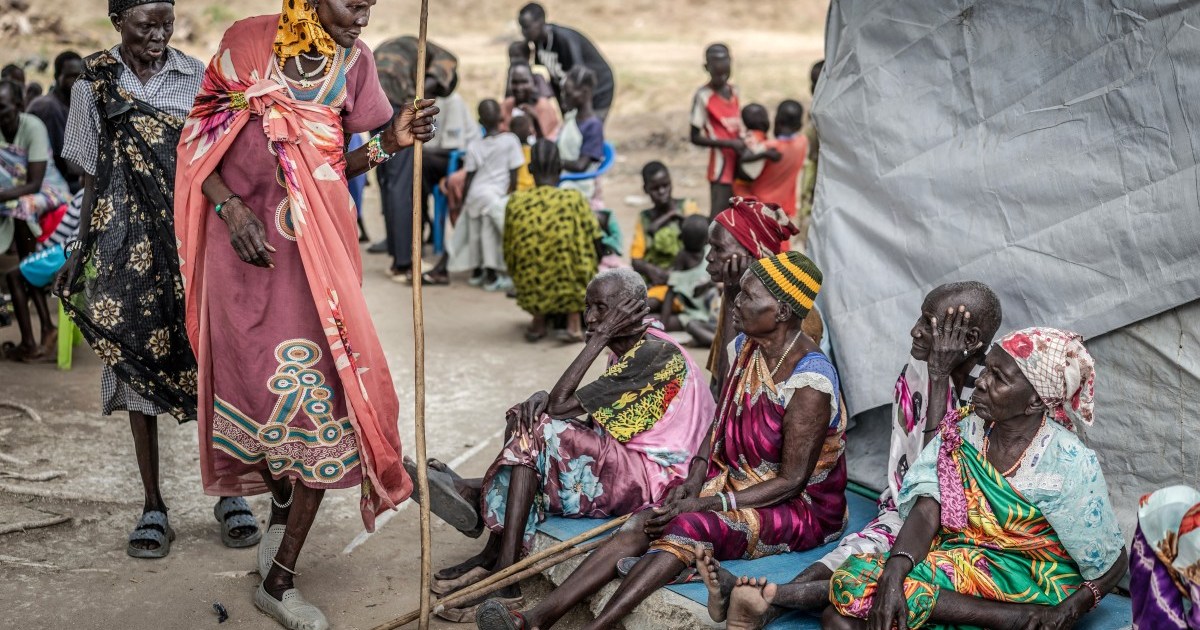
UN aid chief Tom Fletcher says hunger is tightening its grip amid rising humanitarian needs and intensifying fighting.

Save

Share

The UN’s humanitarian chief has warned that South Sudan is at a dangerous crossroads as it faces the risk of famine.

Tom Fletcher, the under-secretary-general for Humanitarian Affairs and emergency relief coordinator, called on the Security Council on Friday to “prevent South Sudan from sliding toward full-scale famine and collapse”.

He warned that “hunger across South Sudan is tightening its grip”, with emergency levels of food insecurity expected for some across all 10 states during the lean season, which lasts until the end of July.

After spending a week in the country, he said that he feared his next briefing would speak of famine. He reported “humanitarian compounds looted and nutrition centres destroyed” in areas surrounding Akobo in Jonglei State, where more than 140,000 people were in “dire need of help”.

“More than 7.5 million people will need food assistance this year,” he said. “All of this is unfolding as floods are expected to continue, cutting communities off and hitting livelihoods – once again.”

Anita Kiki Gbeho, the head of the UN Mission in South Sudan (UNMISS), told the Security Council that “civilians continue to bear the brunt” amid intensifying fighting between the South Sudan People’s Defence Forces and the Sudan People’s Liberation Movement/Army in Opposition, particularly in Jonglei.

Fighting in South Sudan escalated late last year, after a peace deal ending the five-year civil war was reached in 2018. A coalition of opposition forces seized government outposts in Jonglei State in December, prompting a retaliatory military operation in late January, which forced more than 280,000 civilians to flee the area.

Fletcher urged the Security Council to press for unhindered humanitarian access, increase flexible funds and demand that all parties fully respect humanitarian law and the protection of civilians and infrastructure.

As the council considers renewing the UNMISS mandate, which is in place until April 30, Gbeho said that “the scale and urgency of needs on the ground are not yet matched by the type of sustained commitment and investment required to fully meet the shared ambition of sustainable path to peace.”