yahoo Press
Buh-bye La Niña, hello 'super' El Niño? What it means for Arizona
Images
1 / 20
2 / 20

3 / 20

4 / 20
5 / 20
6 / 20
7 / 20
8 / 20
9 / 20
10 / 20
11 / 20
12 / 20

13 / 20

14 / 20
15 / 20
16 / 20
17 / 20
18 / 20
19 / 20
20 / 20
After a record-warm winter and a spring heat wave, La Niña said her farewell last month as sea surface temperatures in the Pacific Ocean returned to normal. Now forecasters are predicting a strong swing in the other direction — a “super” El Niño that could bring much-needed relief to the Southwest's relentless drought.

Warmer waters are brewing in the equatorial Pacific signaling an important shift in the planet's impending weather patterns. On April 9, the National Weather Service said there was a 61% chance of La Niña's temperamental counterpart arriving as early as June.

The Earth seesaws between the two on an irregular schedule. The last time El Niño showed up, in 2023, sea surface temperatures along the equator in the Pacific rose 1.5 degrees Celsius above normal. But this year's El Niño could be more intense than that — there's a 25% chance sea surface temperatures could reach 2 degrees above average.

Over the last 80 years, there have only been a handful of El Niño events as strong as what this year’s is predicted to be.

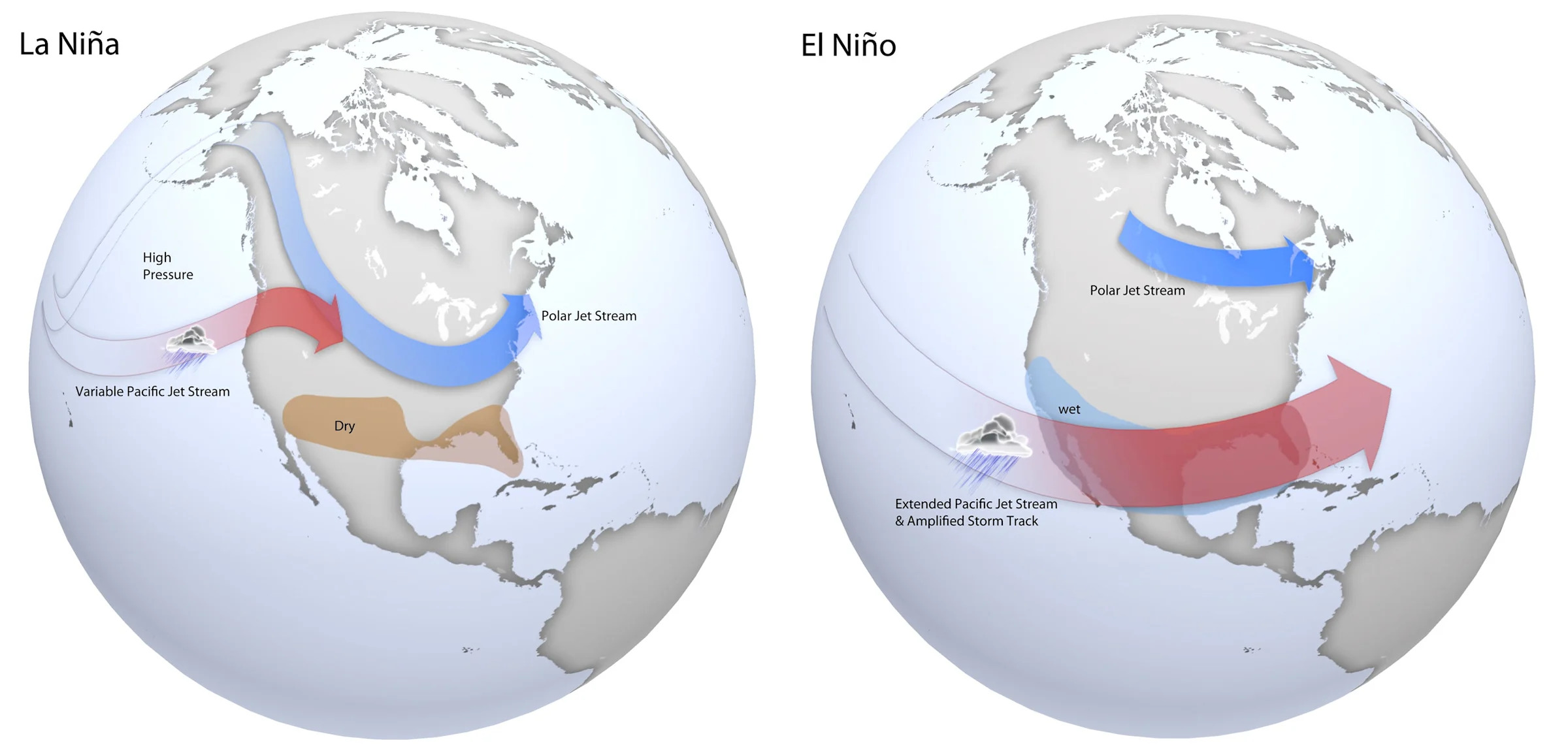
In the Southwest, the correlation between El Niño and precipitation depends largely on the strength of the event, according to NOAA. The stronger the El Niño, the more likely above-average precipitation.

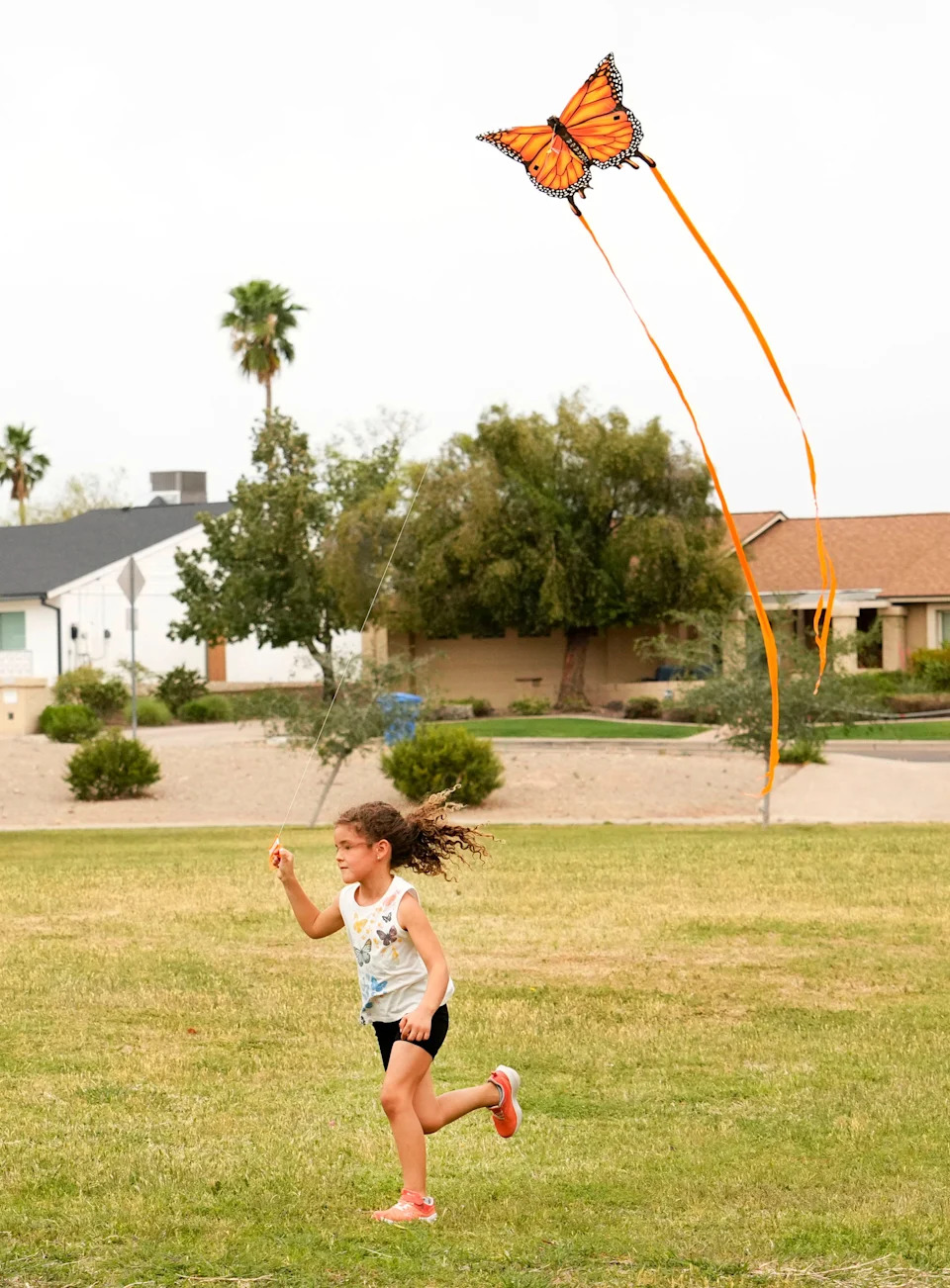
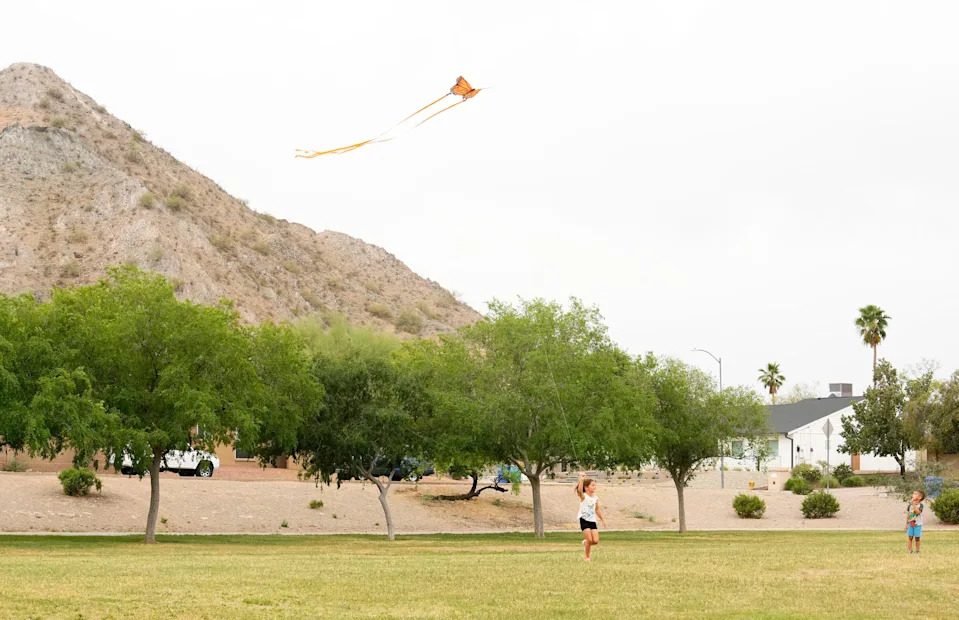
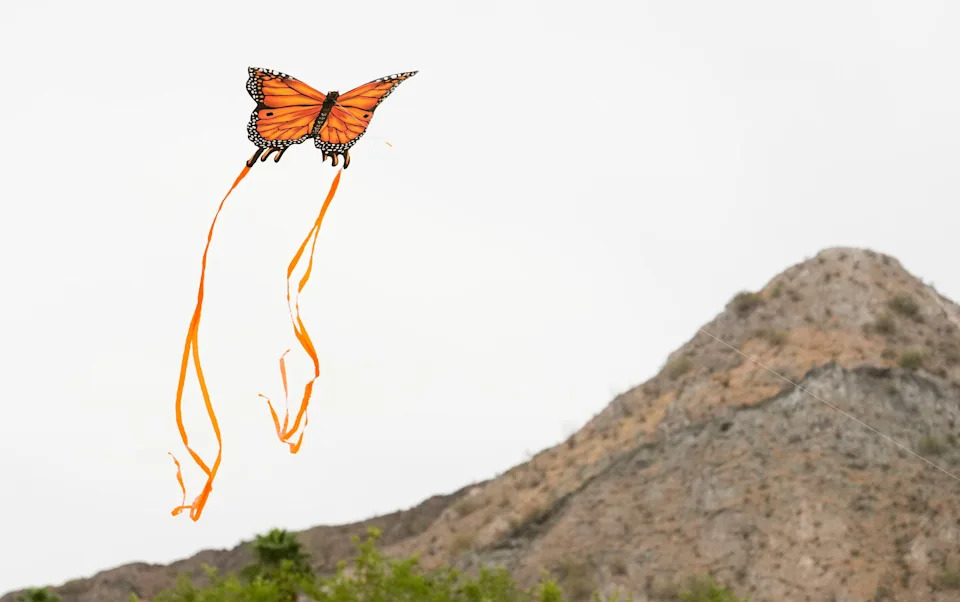
Alisha Altiveros, 6, flies her butterfly kite during a breezy overcast day at Christy Cove Park on April 6, 2026, in Phoenix.Arizona has amazing sunrises and sunsets: See the photos

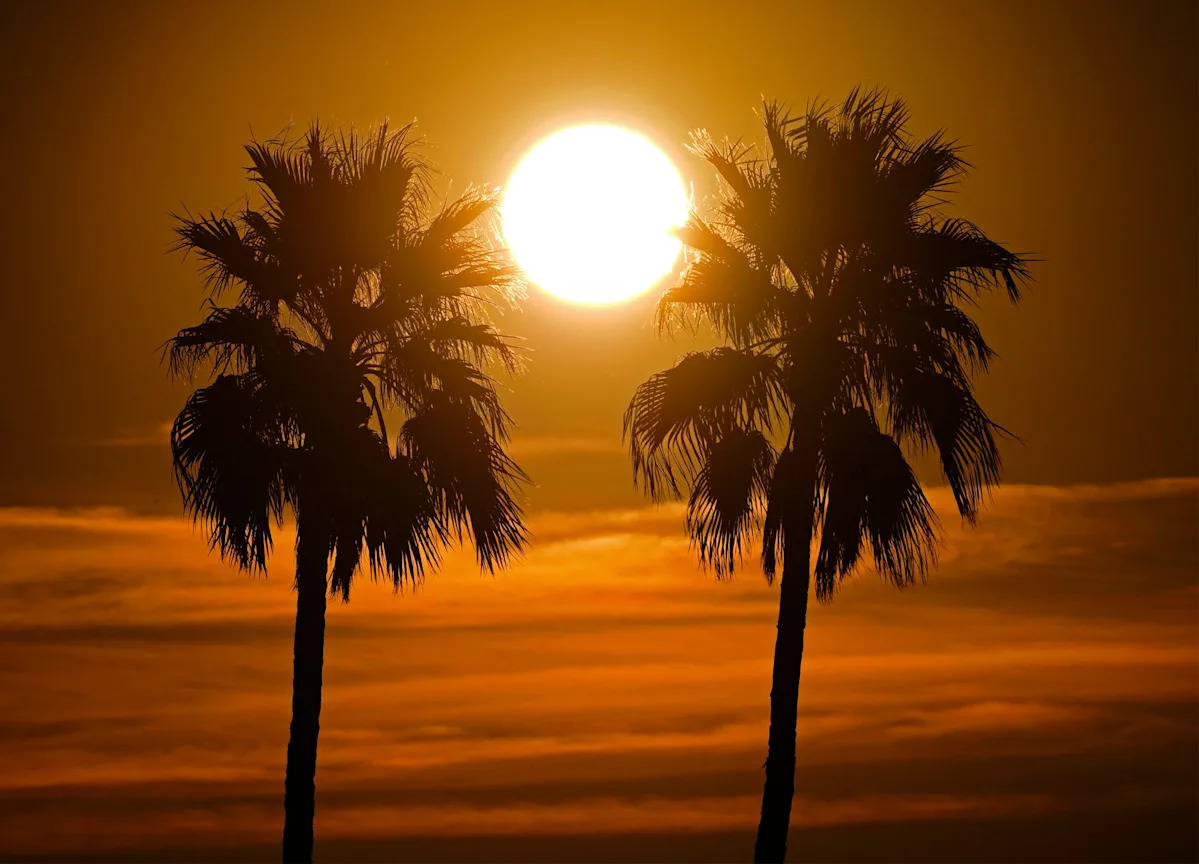
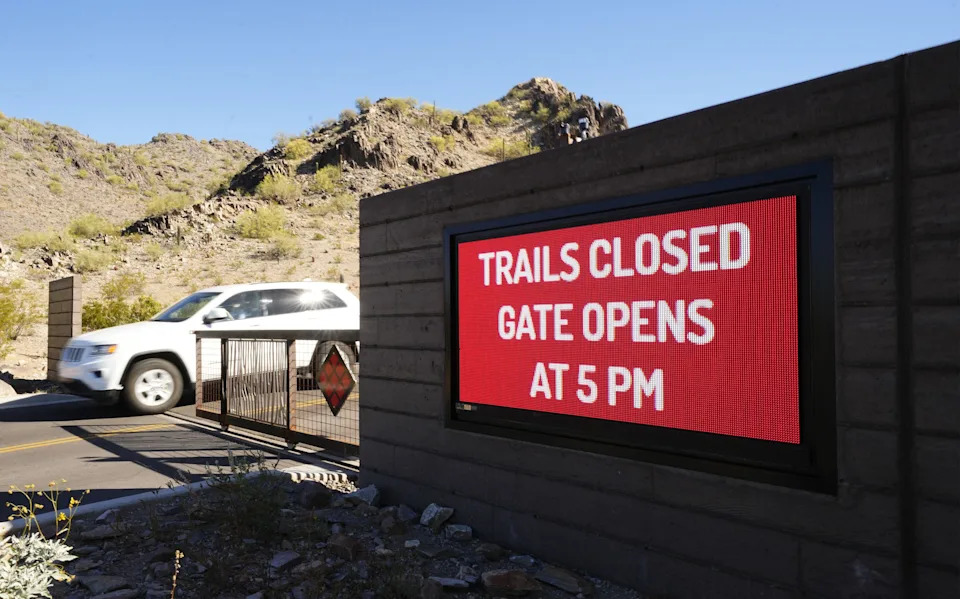
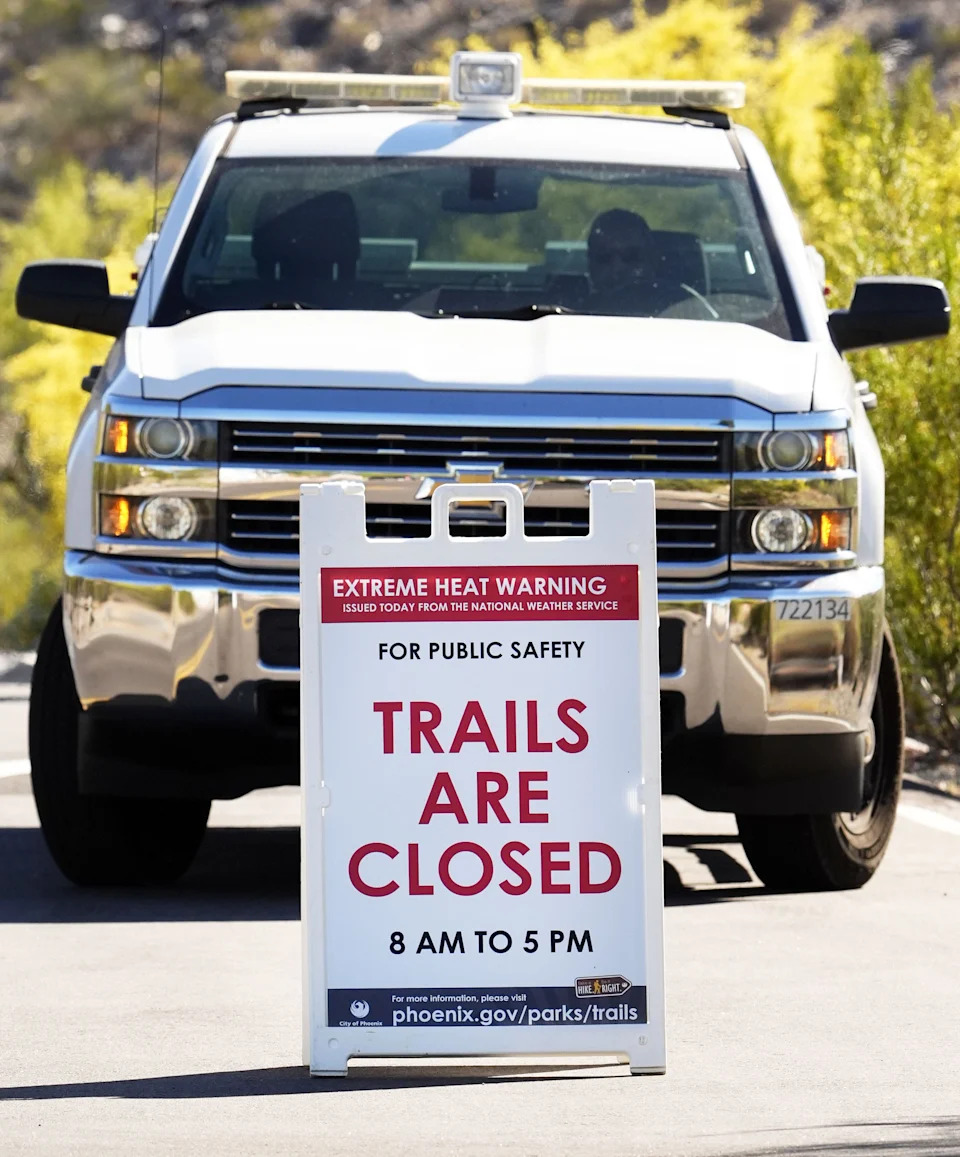
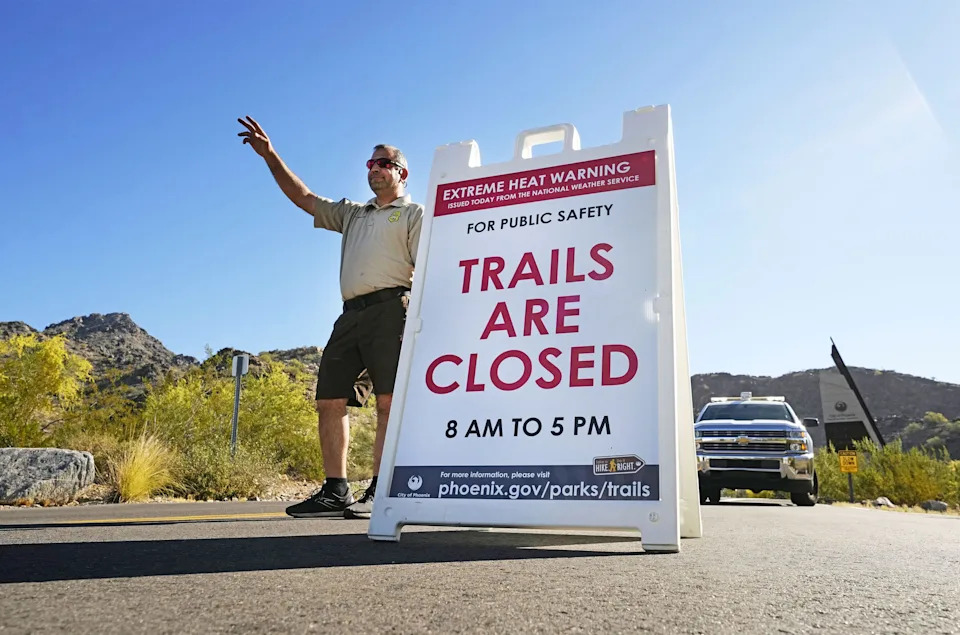
The entrance to the Piestewa Peak summit trail in the Phoenix Mountains Preserve is closed from 8 AM to 5 PM due to an extreme heat warning on March 20, 2026, in Phoenix.Weather records: Arizona's wettest day became its deadliest after extreme rains

Alisha Altiveros, 6, flies her butterfly kite during a breezy overcast day at Christy Cove Park on April 6, 2026, in Phoenix.Arizona has amazing sunrises and sunsets: See the photos

“ Because there's a higher probability that this could be a strong to very strong El Niño, that could increase the probabilities that we could see some active weather this upcoming winter,” said Ryan Worley, a meteorologist at the National Weather Service in Phoenix.

This past winter was the warmest on record in Phoenix, the one before it one of the driest, and both were La Niña years. El Niño could shake things up. Once dubbed “the master weather-maker” by author J. Madeleine Nash, it could hail cooler temperatures and increase precipitation in Arizona throughout the rest of the year into 2027.

Water woes: Colorado River outlook 'not a pretty picture' after warm, dry winter

La Niña and El Niño are part of a climate pattern called the El Niño Southern Oscillation, or ENSO. As trade winds in the Pacific Ocean shift, they bring cooler or warmer water temperatures to the surface.

Out in the eastern Pacific, scientists monitor a specific area on the equator for changes in sea surface temperatures.

“ When it gets really warm in this area, that's an indication of it being El Niño,” said Michael Crimmins, a climatologist at the University of Arizona. “When it's really cold, it's La Niña.”

The two are like opposite siblings. When Pacific sea temperatures along the equator fall at least 0.5 degrees Celsius below normal, La Niña has arrived. But when temperatures are at least 0.5 degrees Celsius above normal, El Niño develops. Otherwise the planet is ENSO neutral, meaning that sea surface temperatures are average.

The NWS's Climate Prediction Center classifies the events in an escalating ranking: weak, moderate and strong. A weak shift is only about 1 degree Celsius above normal. A strong shift would be anything above 1.5 degrees. This year’s El Niño has a good chance of pushing 2 degrees above normal. The possibility of a very strong event, equal to or above that 2 degree threshold is one in four, but it all depends on wind patterns over the Pacific Ocean.

“Toward November, December and even into the beginning of next year those chances really start to ramp up,” Worley said.

Generally, El Niño happens every two to seven years but it doesn't always follow a La Niña event.

“ Since we've had several La Niña winters in a row, there's been lots of warm water stored up in the West Pacific,” Crimmins said. Scientists have long expected a shift toward El Niño.

El Niño or La Niña? Here's the difference and what it means for Arizona weather

The effects of El Niño are felt worldwide. It’s been known to induce record floods and disrupt fisheries on the coast. But the pattern might offer short-term reprieve for the Southwest, where climate change and back-to-back La Niña years have left the region in rough shape.

For many cities in the West, this winter was the driest on record. Mountain ranges in Colorado and Utah, whose snowpack usually feeds into the Colorado River come late spring, saw measly snowfall — resulting in water restrictions in some western states. Drought-ridden forests in northern Arizona are expected to be especially prone to wildfire this season.

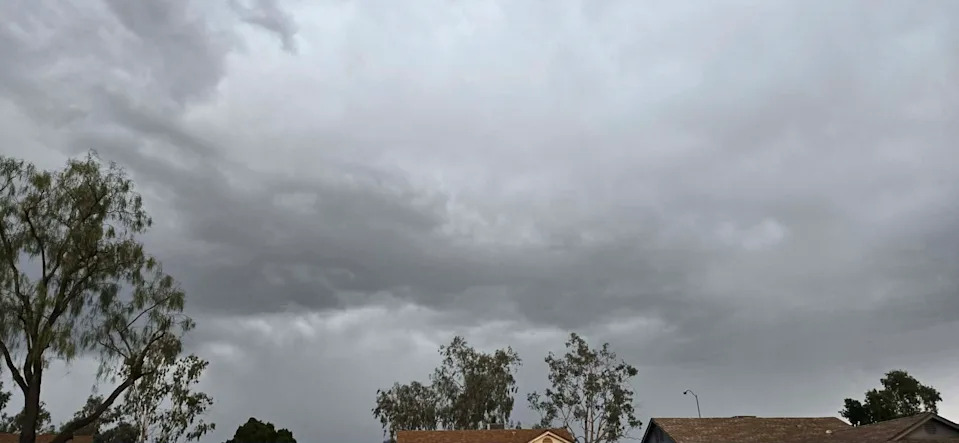
El Niño typically spawns thunderstorms in the Southwest, yielding a wet fall and winter. More clouds and rain can also mean a slight shift away from blazingly hot, clear days.

"This pattern of temperatures along the equator drives where tropical storms and clusters of thunderstorms happen," Crimmins said. "They occur where the warm water is."

When it comes to the monsoon, El Niño can be a mixed bag, Worley said. Usually, it means below average rain in the summer, at least for central Arizona. But current outlooks show the state might be in for above normal precipitation come summer, he said. That could be due to any number of factors, including eastern Pacific tropical activity drawing moisture west.

In 2015, a strong El Niño year, humidity and rain descended on Phoenix in June, well before the typical start of monsoon season. In 1997, one of the largest El Niño events of the 20th century, according to the weather service, precipitation held off for much of the summer.

Still, not every El Niño delivers, Crimmins warns.

“We'll just have to see how it plays out,” he said.

Climate change: 2025 heat milestones raise alarms about long-term global warming

Scientists aren't sure if climate change is affecting the frequency or severity of ENSO’s patterns.

“There's some suggestion that we could swing more wildly between them, but there's not a real strong consensus on that,” Crimmins said. ”What we do know is that all of the oceans are warming.”

March ended with the second-warmest global sea surface temperatures on record, according to the Copernicus Climate Change Service.

Since El Niño and La Niña are dependent on the temperature gradient from east to west along the equator, if everything warms up it alters the dynamics of ENSO, Crimmins said.

As of February, the Climate Prediction Center has changed the way it measures sea surface temperature along the equator. This year, they’ve adopted a new framework — the Relative Oceanic Niño Index, which accounts for temperature trends affected by global warming.

For more weather and climate news: Sign up for AZ Climate, The Republic's weekly environment newsletter.

Under the old system, climate change meant that El Niño events seemed more significant than they were, while La Niña events seemed less significant, according to a research paper from 2021. The change could give forecasters a better idea of how strong the patterns really are and what weather phenomena they could summon.

“We see the strong El Niño signals in the ocean moving into a position. But will they give us the same kind of impact that we've seen with past strong events? That’s where I’m not super sure," Crimmins said. "We're running this experiment in real time."

Sarah Henry covers environmental issues for The Arizona Republic and azcentral. Send tips or questions to sarah.henry@arizonarepublic.com.

Snow falls on the campus of Northern Arizona University on Feb. 18, 2026.Don't miss the important news of the day. Sign up for azcentral's newsletter alerts to be in the know.

Snow falls on the campus of Northern Arizona University on Feb. 18, 2026.Don't miss the important news of the day. Sign up for azcentral's newsletter alerts to be in the know.

Environmental coverage on azcentral.com and in The Arizona Republic is supported by a grant from the Nina Mason Pulliam Charitable Trust.

Follow The Republic environmental reporting team at environment.azcentral.com and @azcenvironment on Facebook and Instagram.

This article originally appeared on Arizona Republic: La Niña ends and now 'super' El Niño may dominate Southwest