yahoo Press
Common Vitamin May Reduce Buildup of Alzheimer's Proteins, Study Finds
Images
1 / 12
2 / 12

3 / 12

4 / 12

5 / 12

6 / 12
7 / 12

8 / 12

9 / 12

10 / 12

11 / 12

12 / 12
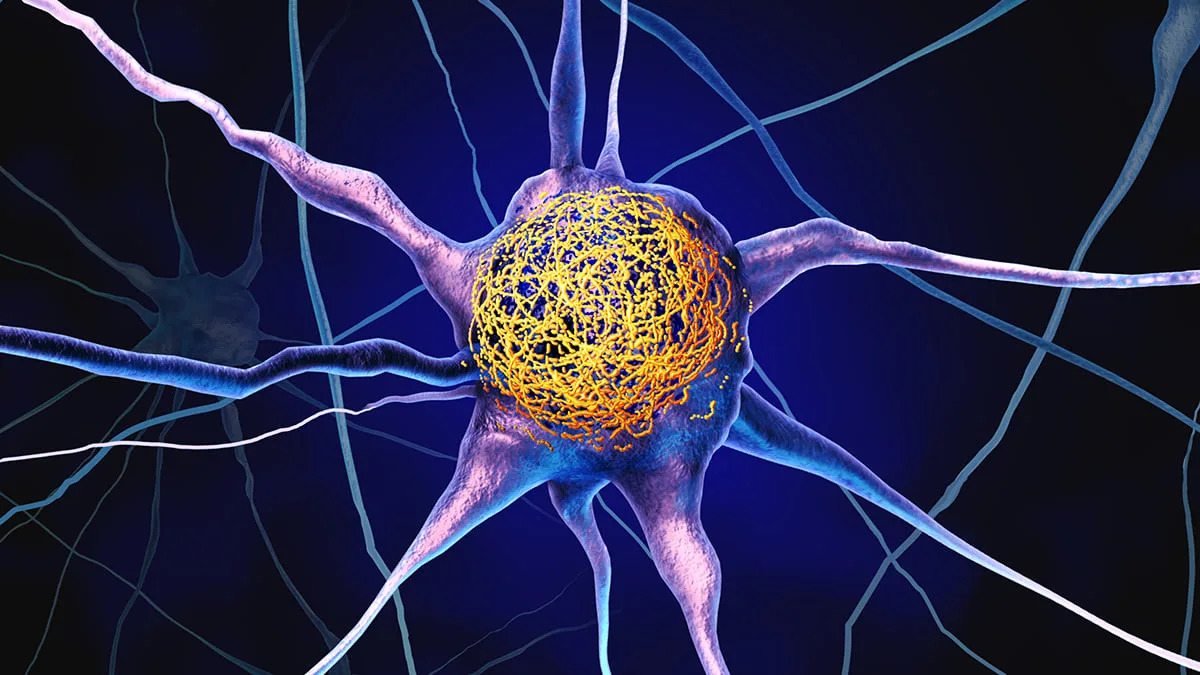
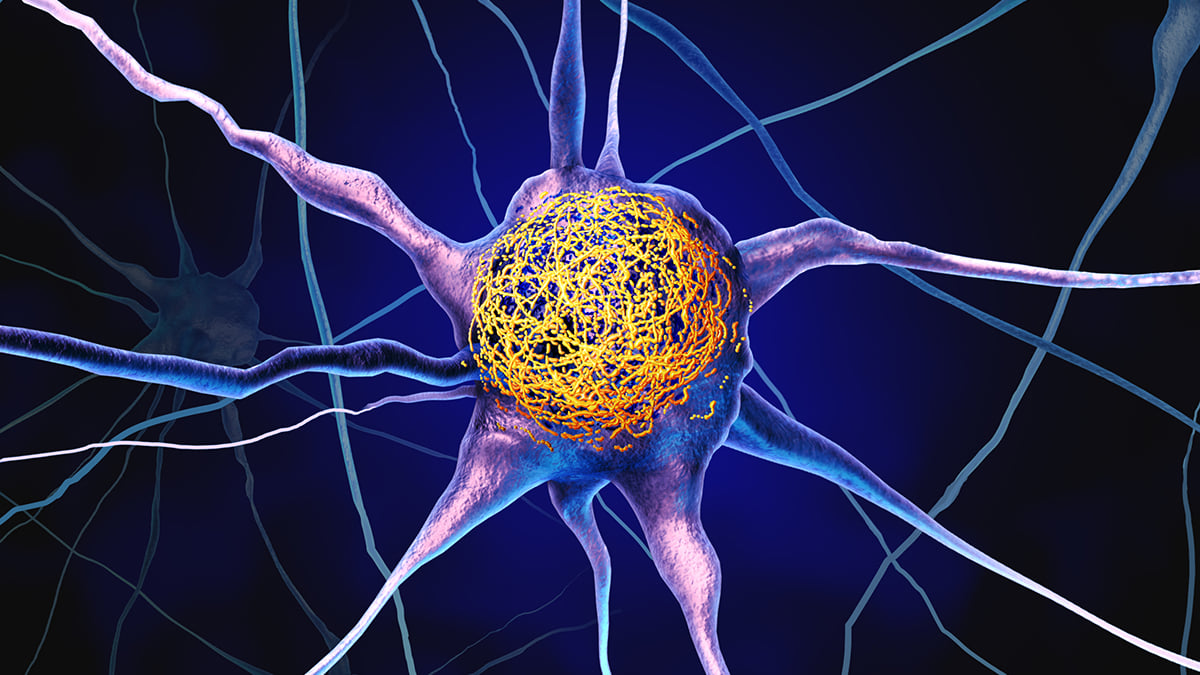
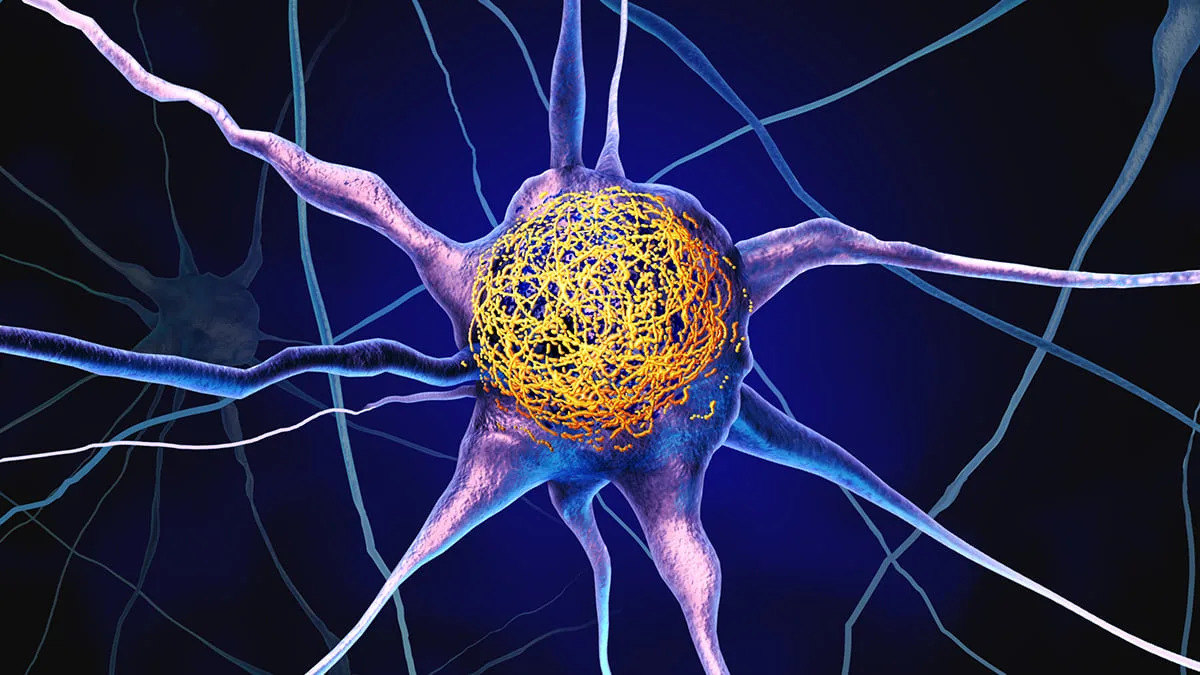
New research has linked levels of vitamin D in midlife with toxic tangles of tau protein that accumulate in the brains of those with Alzheimer's disease.

A statistical analysis of blood samples and brain scans from 793 adults showed that the more vitamin D in someone's system in middle age, the lower the amount of tau protein tangles they tended to have years later.

The finding comes from an international team of researchers, and while it doesn't prove direct cause and effect, it suggests an association that's worth looking at.

"These results suggests that higher vitamin D levels in midlife may offer protection against developing these tau deposits in the brain and that low vitamin D levels could potentially be a risk factor that could be modified and treated to reduce the risk of dementia," says neuroscientist Martin David Mulligan, from the University of Galway in Ireland.

"Of course, these results need to be further tested with additional studies."

The study participants had their vitamin D levels measured once, as part of a baseline assessment at the age of 39. Brain scans taken 16 years later, on average, were then used to assess levels of tau and amyloid-beta, another protein closely linked to Alzheimer's.

The study didn't look at dementia diagnoses – none of these participants had Alzheimer's disease at the time of brain imaging – but abnormal tau and amyloid-beta behavior was used as a proxy for Alzheimer's-like brain problems that might be in the process of taking hold.

Neither tau nor amyloid-beta is naturally destructive; the brain needs them to stay healthy. It's when these proteins start to go haywire and clog up neurons that the damage associated with Alzheimer's begins, as brain cells break down and communication between them is interrupted.

While the study found no relationship between vitamin D and amyloid-beta, a link between vitamin D and tau became apparent. This applied to both the brain overall, as well as some of the regions known to be affected by Alzheimer's in its earliest stages.

"To the best of our knowledge, there have been no previous studies evaluating an association between serum vitamin D and neuroimaging markers of preclinical dementia," write the researchers in their published paper.

"Supplementation with higher doses of vitamin D, and/or over longer periods of time in younger, cognitively healthy individuals may be beneficial, as the window of opportunity for disease modification is greater. However, this will require formal testing in clinical trials."

Past research has linked vitamin D with numerous health benefits and protection against dementia, but now we have a connection between it and a protein associated with Alzheimer's. While it's still unclear whether tau tangles are a root cause of the disease or merely a symptom of it, they remain one of the earliest signs that something is wrong.

The researchers point to previous studies that have shown vitamin D can fine-tune the immune system in the brain for the better, while a lack of it has been linked with misbehaving tau proteins in the brains of mice.

We know that a host of different factors play into Alzheimer's risk, from dangerous proteins to the genetics we're born with. It's a complex picture, but scientists are gradually understanding its finer details more and more.

This study suggests that some fraction of that disease risk may be reduced by getting enough vitamin D – so it's perhaps worth considering more time in the sunshine or adding more fish to your diet.

However, vitamin D intake will have to be tracked more fully over decades, and linked to dementia diagnoses, to know for sure.

Related: Insomnia Can Be an Early Alzheimer's Warning Sign. New Research Explains Why.

"These results are promising, as they suggest an association between higher vitamin D levels in early middle-age and lower tau burden on average 16 years later," says Mulligan.

"Midlife is a time where risk factor modification can have a greater impact."

The research has been published in Neurology Open Access.

ScienceAlert stories are written, fact-checked, and edited by humans, never generated by AI. Don't miss a story, subscribe here.

Scientists May Have Found a New Cause of High Blood Pressure, And a Way to Treat It

Injectable Peptides Are a New Anti-Aging Trend. Are They Safe?

Woman With 3 Autoimmune Diseases Enters Remission After Immune 'Reset'