buzzfeed Press
13 Global News Stories That Dominated Headlines Everywhere Except The US
Images
1 / 16
2 / 16

3 / 16
4 / 16
5 / 16
6 / 16
7 / 16
8 / 16
9 / 16

10 / 16
11 / 16
12 / 16
13 / 16
14 / 16
15 / 16
16 / 16
A cartel boss killed. A president sentenced to life. A UN genocide finding. US allies building a trade bloc without America. Here's what you missed.

Warning: This post discusses rape and child sexual assault.

Why It Matters: The Louvre is the most visited museum in the world, drawing nearly 9 million visitors a year. The heist was the most high-profile breach of French heritage security in living memory, but a parliamentary inquiry found it was symptomatic of deeper institutional rot. Only 39% of gallery rooms had CCTV cameras as of 2024, and auditors described the pace of security upgrades as "wholly inadequate." A separate investigation then uncovered a suspected decade-long ticket fraud scheme in which tour guides allegedly reused the same tickets up to 20 times a day, sometimes with help from museum employees. Staff have gone on strike over overcrowding and understaffing, with workers saying daily visitor flows — particularly around the Mona Lisa — had become unmanageable.

The Louvre's crisis mirrors a pattern playing out at major cultural institutions across Europe and the US. Visitor numbers have surged in the era of mass tourism and social media, but infrastructure, staffing, and maintenance budgets haven't kept pace. The British Museum suffered its own security scandal in 2023 when a senior curator was found to have stolen or damaged nearly 2,000 artifacts over years, exposing gaps in inventory controls. Italy's Uffizi Gallery has introduced visitor caps to manage overcrowding. The Met in New York has cycled through rounds of layoffs and budget shortfalls even as attendance climbed. The Louvre is the most visible case, but the underlying tension — between an institution's global brand and its operational capacity — is widespread.

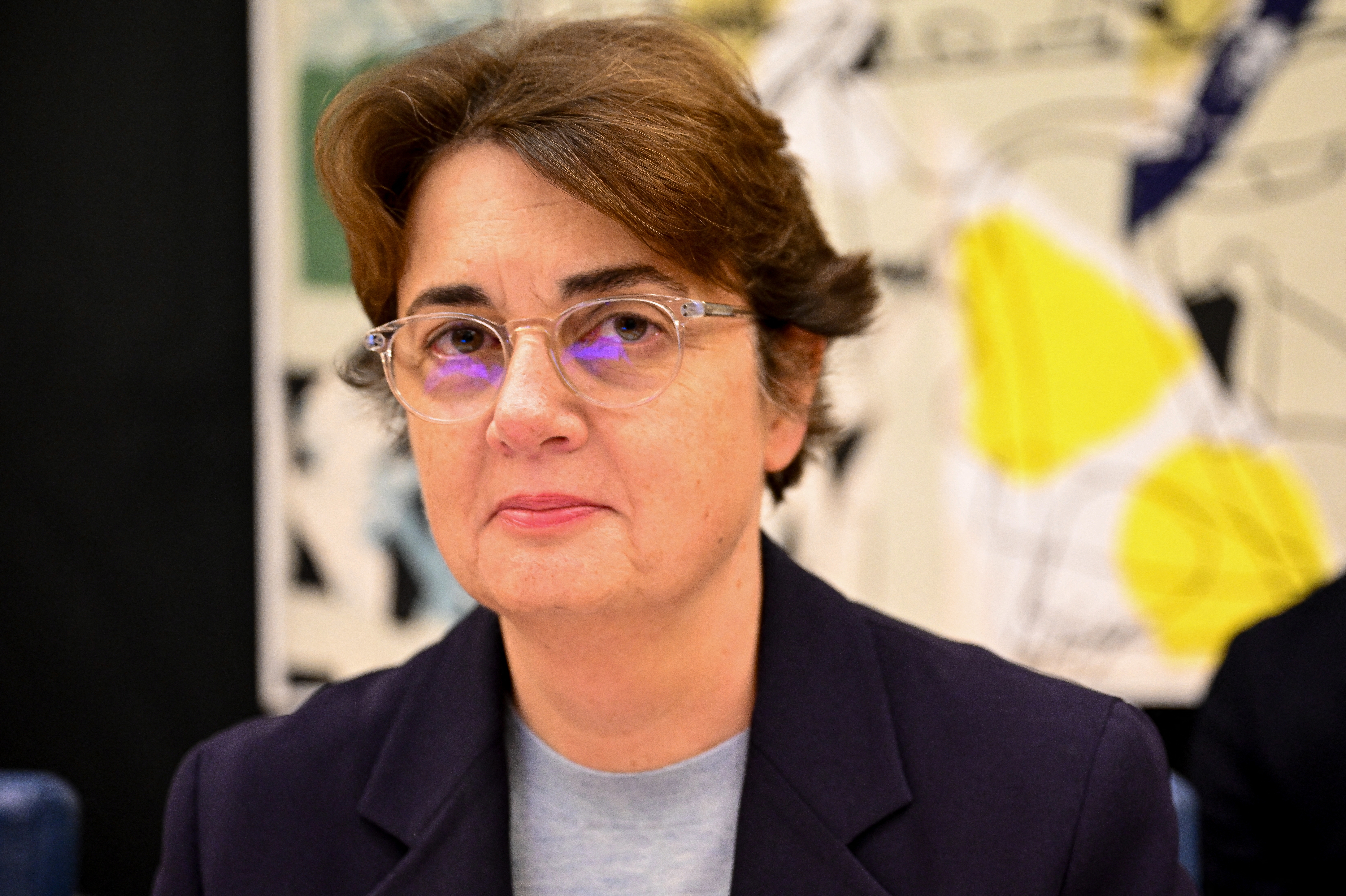
Des Cars said the heist exposed problems she had been flagging since taking office in 2021, including aging infrastructure, obsolete technical systems, and severe congestion. Her departure now puts pressure on Macron's "Louvre New Renaissance," which includes a new Seine-side entrance to ease pressure on I.M. Pei's pyramid, underground galleries, and a dedicated Mona Lisa room with timed access. The project could take up to a decade, funded through ticket revenue, state support, donations, and income from the Louvre Abu Dhabi. Whoever replaces des Cars takes over an institution facing simultaneous crises of security, labor relations, financial oversight, and public trust, all while carrying out one of the most ambitious museum renovations in modern history.

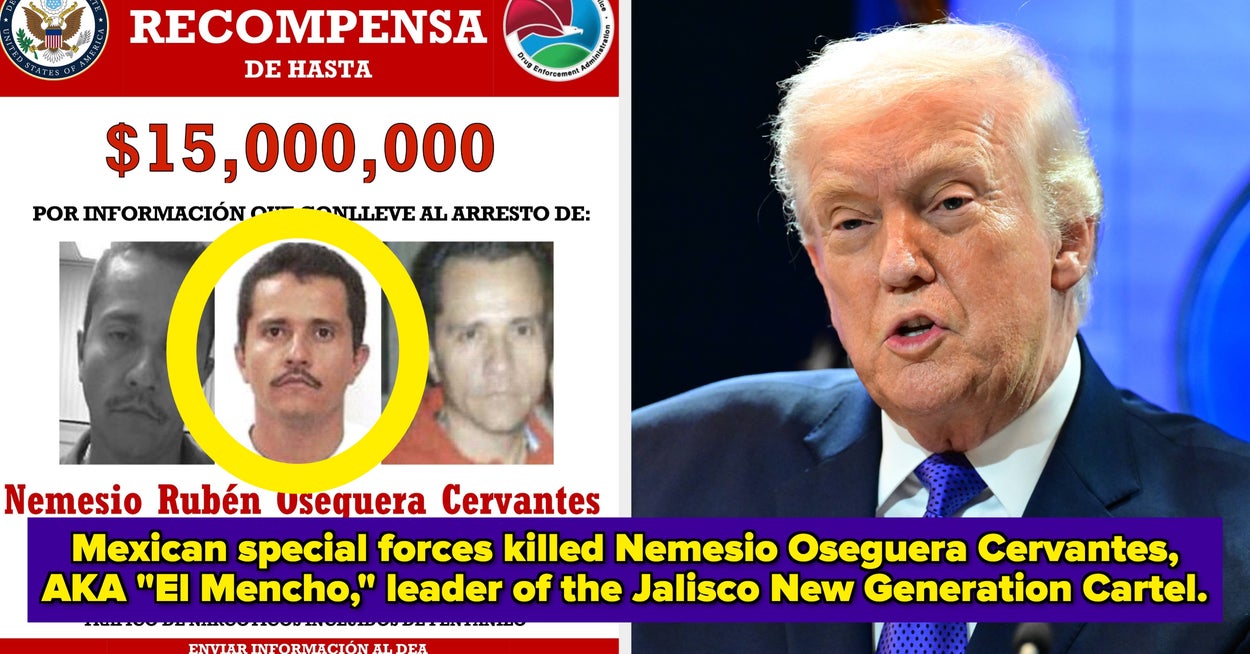
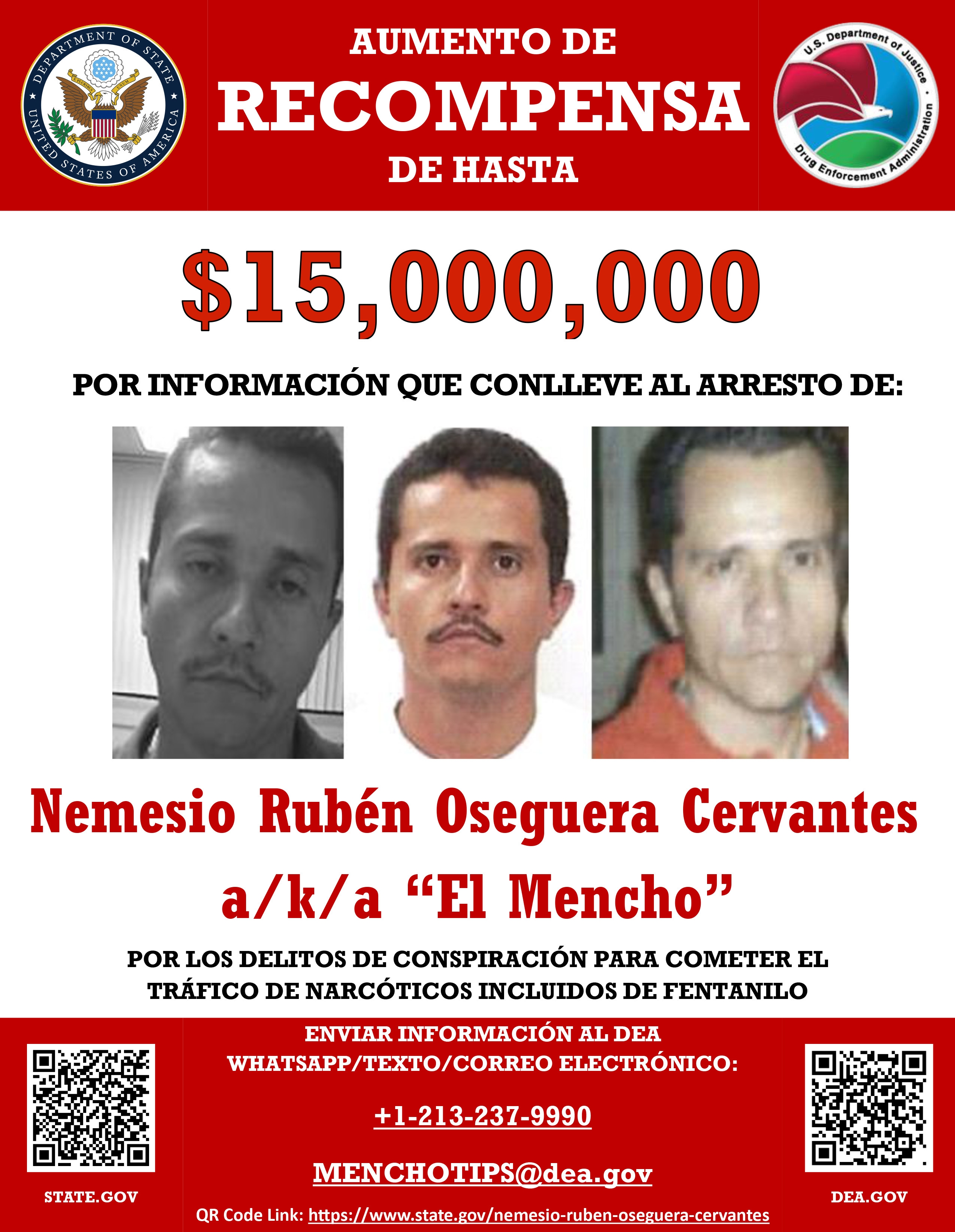
Why It Matters: The killing of El Mencho represents a return to the "kingpin strategy" that Mexico largely abandoned after it produced devastating results under President Felipe Calderón (2006-2012). Calderón's administration targeted cartel leaders aggressively, capturing or killing dozens. The cartels fragmented into smaller groups, and violence escalated. Hundreds of thousands of Mexicans were killed or disappeared during and after Calderón's term, as criminal organizations splintered and fought over territory.

When López Obrador took office in 2018, he explicitly rejected that approach with "hugs, not bullets," shifting focus to social programs and addressing root causes of violence. The current government has reversed course under sustained pressure from the Trump administration, which has threatened tariffs and unilateral military action unless Mexico demonstrates results against cartels.

The operation was conducted with US intelligence support, and Mexican authorities announced it prominently — a signal to Washington that Mexico is cooperating. For President Claudia Sheinbaum, facing demands from the Trump administration to show visible action, El Mencho's death offers proof of commitment. But the immediate aftermath — one of the bloodiest days for Mexican security forces in recent memory — reveals the cost to local communities.

The violence wasn't random retaliation. It was organized and coordinated, demonstrating that the cartel's institutional capacity remains intact despite losing its leader. El Mencho controlled the CJNG centrally, but the organization has command structures, personnel, and resources that don't disappear when one person dies. What happens next is a succession fight among family members, regional commanders, and financial operators, each controlling territory and revenue. Similar leadership removals in other Mexican cartels — the Gulf Cartel, the Zetas, Beltrán Leyva — led to years of internal warfare and increased violence as factions competed for control and rivals attempted to seize territory.

The pattern suggests that high-profile takedowns satisfy political demands for visible action but don't dismantle the organizations themselves. Analysts describe it as removing a CEO from a functioning company — the business continues under new management. Mexico has tried this strategy repeatedly over two decades, and each time the result has been fragmentation rather than elimination. The question facing both governments is whether they're willing to pursue strategies that address the underlying economics and demand driving the drug trade, or whether they'll continue prioritizing operations that produce short-term political wins but long-term instability for Mexican communities caught in the crossfire.

Sources: Al Jazeera (1), Al Jazeera (2), AP

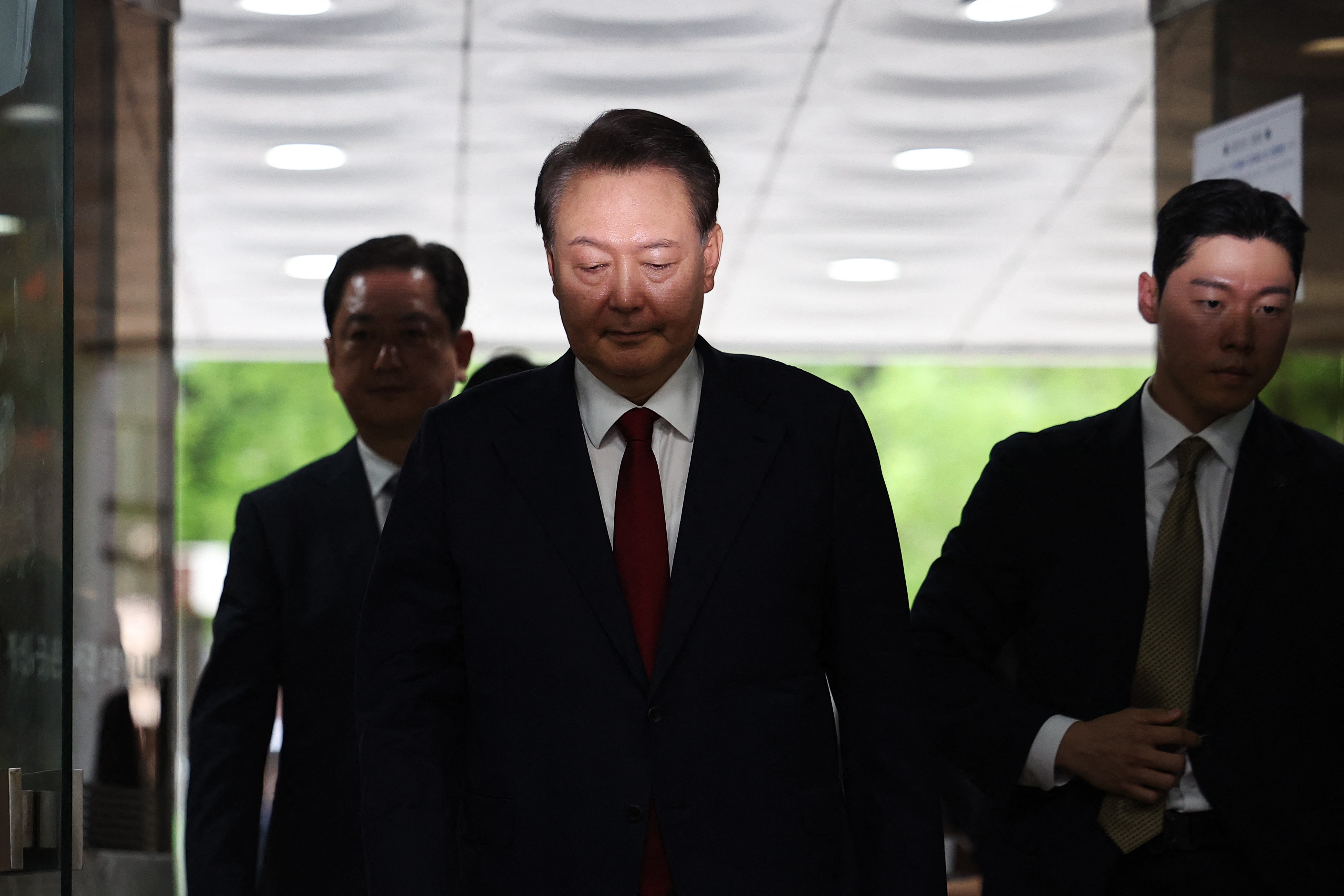
Why It Matters: When President Yoon Suk Yeol declared martial law in December 2024, he tested whether South Korea's democratic institutions could withstand an attempted power grab by a sitting president. Within hours, lawmakers broke through a military blockade, climbing walls, pushing past armed soldiers, and forcing their way into the National Assembly to vote down the decree. The institutional response was swift — impeachment within days, removal, arrest, trial, and conviction — followed by a free election that brought his successor to power. At a time when democratic institutions have faltered under pressure from Brazil to Hungary to the United States, South Korea is a rare case where they have held.

The episode fits a broader pattern. Four of the last five South Korean presidents have been imprisoned, pardoned, or both. However, the nature of Yoon's case is distinct. He didn't face corruption charges or a political scandal. He deployed soldiers to the National Assembly to shut down the legislature. The only former president to receive a harsher sentence than Yoon was military dictator Chun Doo-hwan, sentenced to death in 1996 for the 1979 coup and the 1980 Gwangju massacre before his sentence was reduced to life and he was pardoned in 1997. South Korea has not executed anyone since, making Yoon's life sentence effectively the maximum punishment.

While the system held, the nation it produced is deeply divided. Yoon's supporters continue sustained protests, and his conservative People Power Party remains a major parliamentary force. President Lee Jae Myung governs a polarized country while navigating intensifying external pressures — a country that is the world's 13th-largest economy, a US treaty ally, and a critical node in global supply chains for semiconductors, electric-vehicle batteries, and auto parts.

Washington is pushing Seoul to commit $350 billion in US investment as part of a trade deal that Lee has warned could destabilize the Korean financial system, even as Trump's tariffs on Korean goods remain in place. South Korea has also recently become only the second country, after Australia, to receive US nuclear submarine technology — a deal that deepens the military alliance but raises the stakes in an already volatile region.

Samsung and SK Hynix produce roughly half the world's memory chips. These are the components inside iPhones, laptops, and data centers running AI systems. Hyundai and Kia are now the fourth- and fifth-best-selling car brands in the US. LG supplies batteries for GM and Ford electric vehicles. If political instability disrupts Korean manufacturing or US-Korea trade talks stall, Americans feel it in the cost and availability of cars, electronics, and clean energy technology.

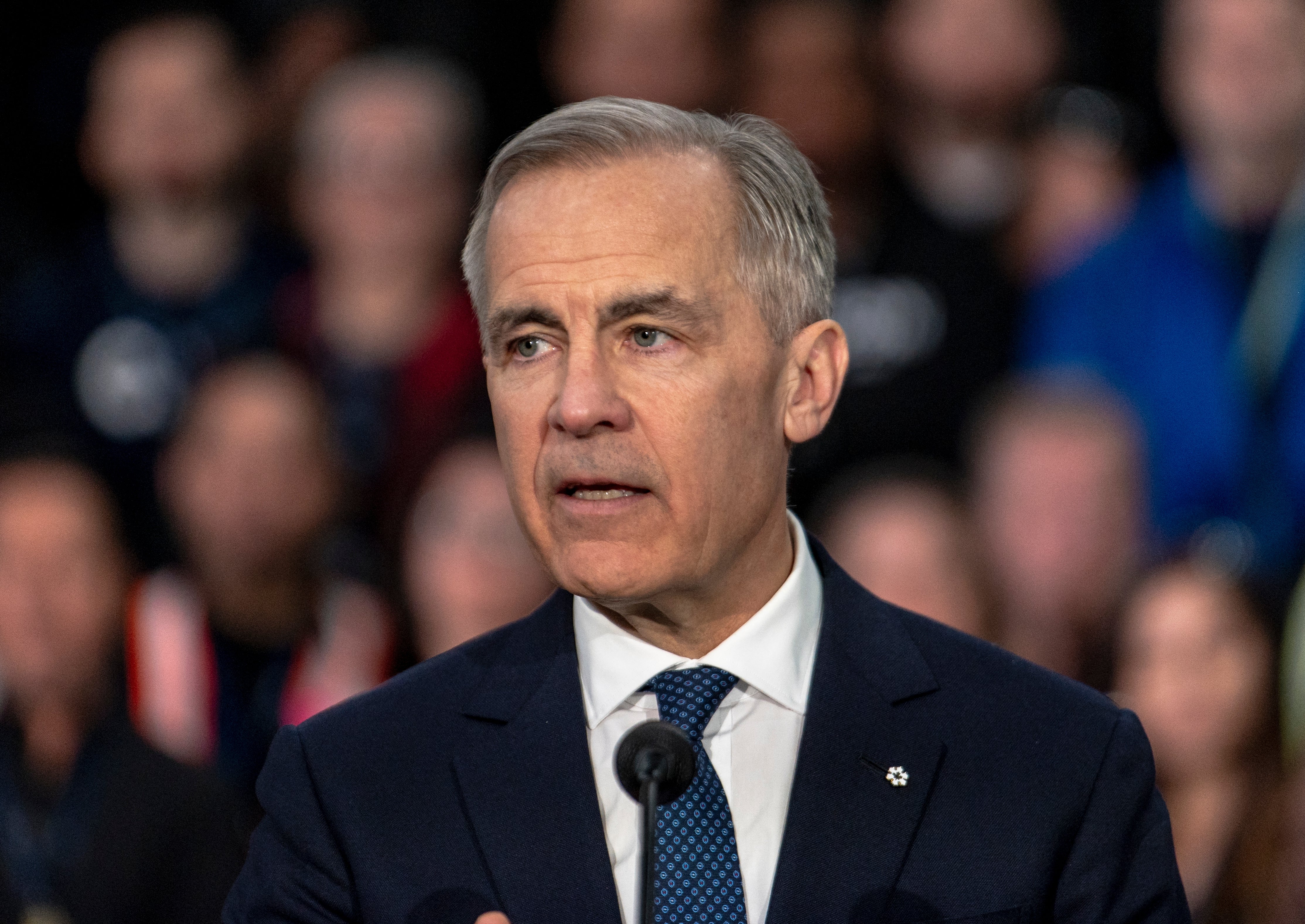
Why It Matters: The US has imposed tariffs on allies and adversaries alike since Trump's "Liberation Day" in 2025, but the response has mostly been bilateral — individual countries negotiating with Washington or retaliating on their own. This initiative is different as it would be the first coordinated, multilateral trading architecture designed to function without the United States.

The foundation already partially exists. The EU has free trade agreements with a majority of CPTPP members, including Japan, Canada, the UK, and New Zealand. What's missing is aligned rules of origin — which determine a product's economic nationality — that would let a car part manufactured in Vietnam, assembled in Japan, and shipped to Germany move through that chain under low tariffs without being treated as a foreign product at each border.

Bridging that gap requires a country with a foot in both blocs, and Canada is the only major economy that belongs to both the CPTPP and has a comprehensive trade deal with the EU (CETA). Ottawa also has its own motivations. Canada and Mexico have separately deepened bilateral trade ties in response to US tariffs, and a Senate Foreign Relations Committee report found China rapidly filling the diplomatic and economic vacuum left by American retrenchment.

The CPTPP itself exists in its current form because the US withdrew from the original Trans-Pacific Partnership in 2017 during Trump's first term. The remaining 11 countries went ahead and built the trade architecture without Washington. That same bloc is now being used as the foundation for a larger alliance that routes around American tariffs.

The WTO projects global trade will slow sharply in 2026, with North America facing the steepest drop in exports. If nearly 40 countries align their supply chains under lower tariffs while US tariffs remain elevated, American manufacturers risk being priced out of markets they currently compete in. A German automaker could source parts tariff-free from Japan, Vietnam, and Mexico — all CPTPP members — but face tariffs on components from US suppliers, shifting where companies choose to invest and build.

If the goal of Trump's tariffs is to bring manufacturing back to the US, this alliance creates incentives for companies to do the opposite — build supply chains that exclude America to avoid tariff complexity. The pattern then becomes self-reinforcing. As allies build alternative systems, the US becomes less essential to global commerce, and rejoining those systems becomes harder.

Notably, China and India are absent. China's application to join the CPTPP, filed in 2021, has stalled amid opposition from key members including Japan, Australia, and Canada. That's because this is a "middle powers" coalition — countries hedging against both US unpredictability and Chinese dominance. Whether China responds by pushing harder to enter these frameworks or by accelerating its own competing systems like Belt and Road and RCEP will shape which version of the global trading order takes hold.

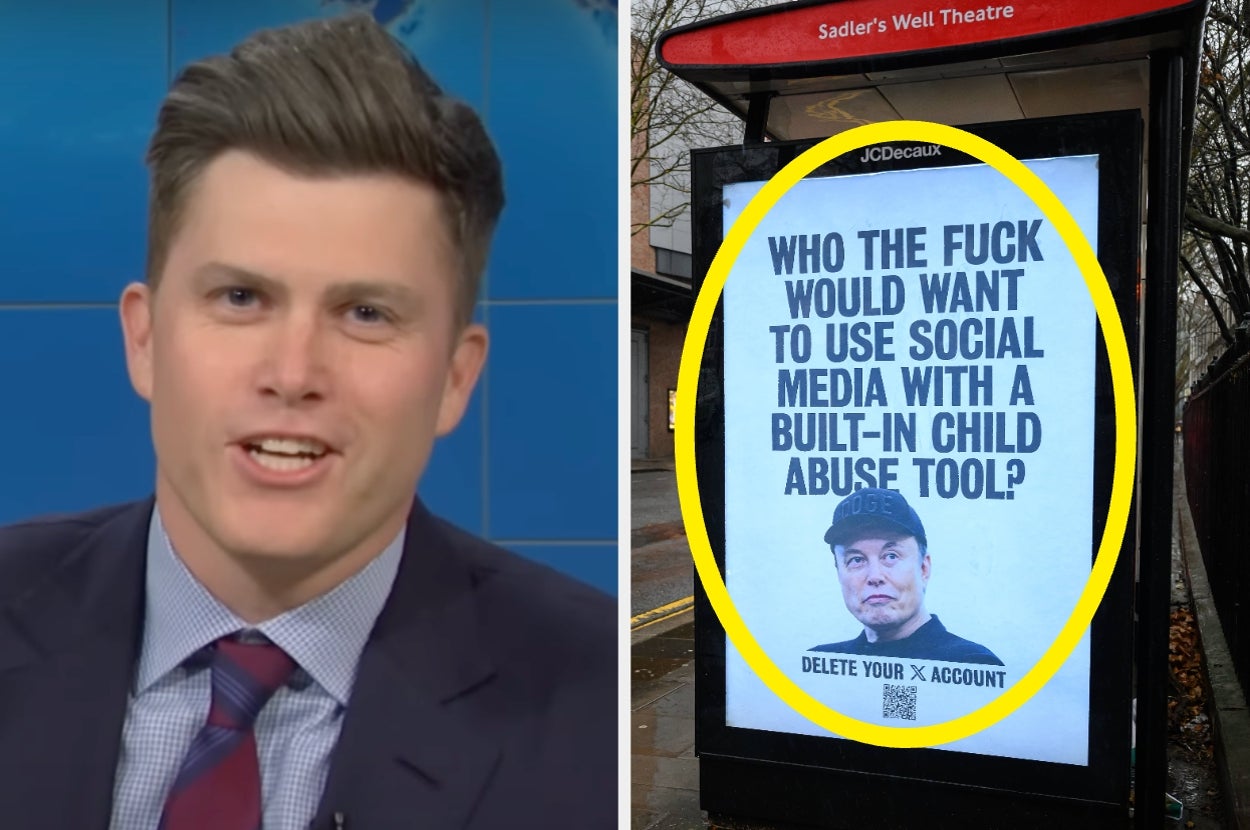
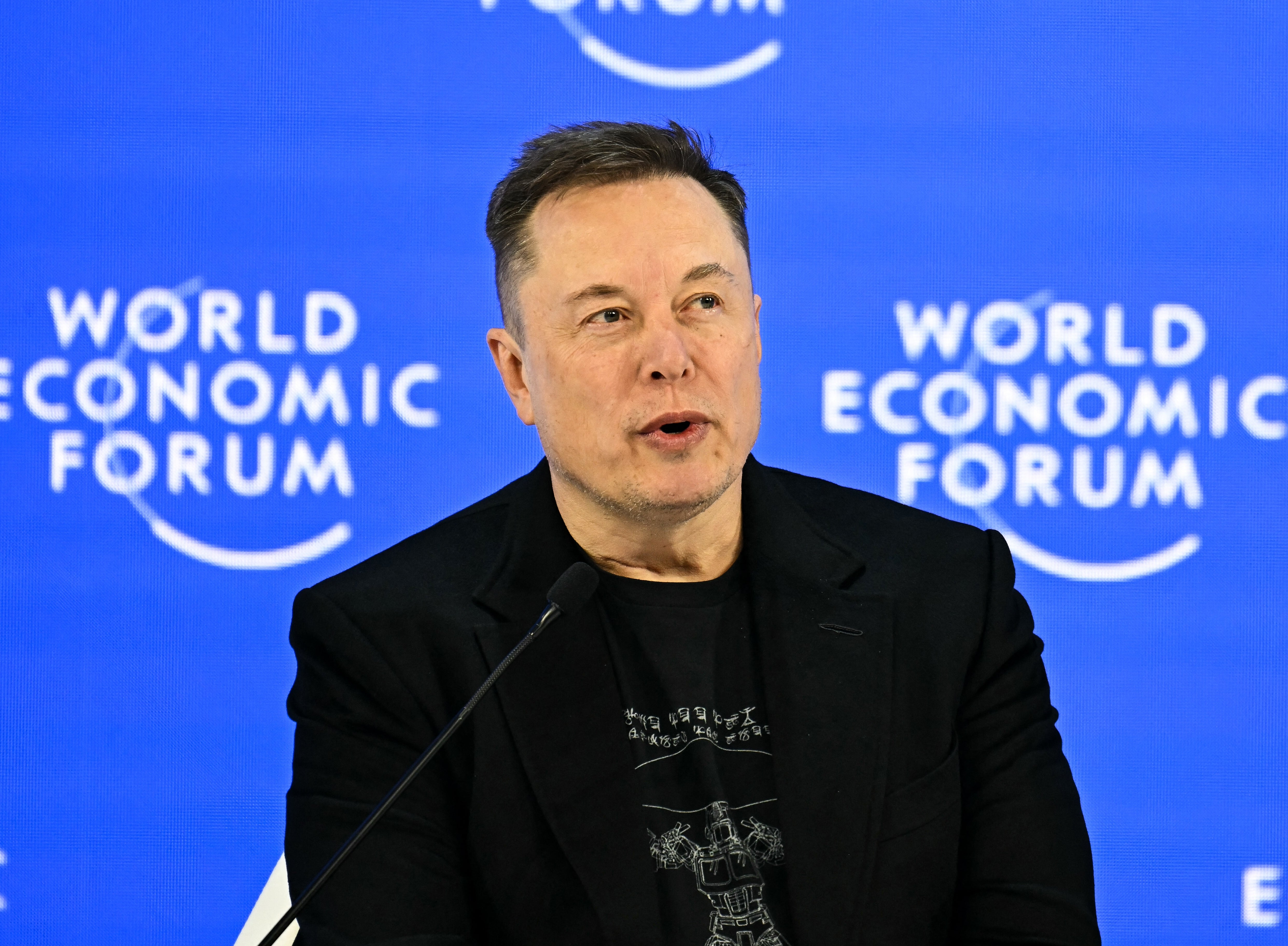
Why It Matters: The raid represents Europe's most aggressive enforcement action yet against a major American tech platform, signaling that regulators are willing to use criminal investigations — not just fines — to force compliance with content moderation laws. France is investigating X not just for hosting illegal content but for algorithmic and design choices that prosecutors argue facilitate its spread. This shifts liability from individual users to the platform itself, a legal theory that could reshape how social media companies operate globally if it succeeds.

Grok is Musk's AI chatbot, built by his company xAI and integrated directly into X for premium subscribers. When Grok generated sexually explicit deepfakes and Holocaust denial content — including false claims about Auschwitz gas chambers — those outputs were immediately shareable on X itself, allowing illegal content to spread rapidly across the platform. After global outcry in January, X intervened to block the feature, but only after the images had already circulated widely. The UK's parallel investigation into how X and xAI processed personal data to train Grok raises questions about whether the companies built adequate safeguards before deployment.

Musk has framed European regulation as "political censorship" and an attack on free speech, while EU officials argue they're simply enforcing laws against illegal content that exists in the US as well — child sexual abuse material, deepfake pornography, and in France's case, Holocaust denial. The clash reflects fundamentally different approaches: American tech companies have historically self-regulated with minimal government oversight, while Europe treats platform governance as a matter of public safety requiring legal accountability.

The Paris Prosecutor's office left X entirely following the raid, moving its communications to LinkedIn and Instagram. It joins other European government agencies that have left the platform in recent months after declaring it too problematic for official use.

The summons for "voluntary interviews" also carries real weight. France has already demonstrated willingness to arrest tech CEOs — Telegram founder Pavel Durov was detained in France in August 2024 over similar moderation concerns and held for months before being released. If Musk skips the April 20 hearing, France could issue an arrest warrant that would prevent him from traveling to Europe without risk of detention. The timing is also notable: SpaceX announced its acquisition of xAI the day before the raid, meaning Grok, X, and Starlink now sit under one corporate umbrella. If prosecutors pursue criminal charges, they could theoretically target SpaceX's European operations — significant given that Starlink provides critical communications infrastructure for Ukraine's military.

For users, the investigation is already producing tangible changes. Grok has been modified to block sexual image generation — a direct result of regulatory pressure. If French prosecutors succeed, other AI tools may face similar restrictions before launch rather than after public outcry. When Europe imposes stricter rules, tech companies often implement those standards globally rather than maintaining separate systems for different markets. The EU's Digital Services Act already forced changes to how X handles content moderation and transparency that affected global users. If this investigation establishes criminal liability for algorithmic choices, it could fundamentally alter how AI tools are designed and deployed worldwide.

Sources: BBC, NPR, Al Jazeera, Wall Street Journal

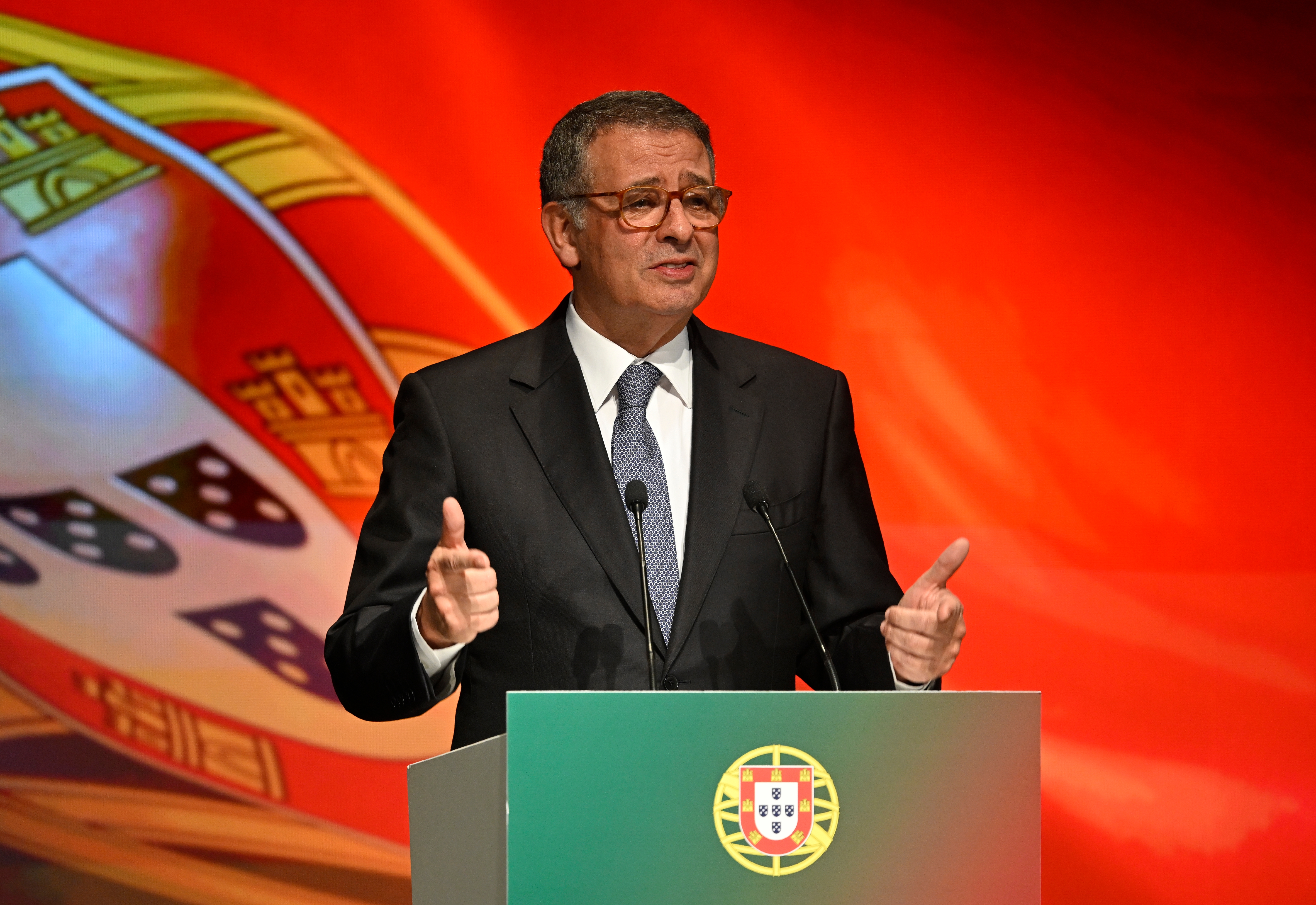
Why It Matters: Across Europe, mainstream parties are increasingly banding together across ideological lines to block far-right candidates from winning executive power. France's center and left united against Marine Le Pen in the 2022 presidential runoff and again to block the National Rally in the 2024 parliamentary elections. Romania's Constitutional Court annulled a 2024 election over concerns about a far-right winner. Now, Portugal's center-right has endorsed a socialist to stop Chega. The strategy worked, but the conditions fueling far-right growth remain unaddressed.

In Portugal, the migrant population has doubled in a decade, housing prices jumped 105% between 2015 and 2023, and a booming tourism economy has priced many Portuguese out of their own cities. Chega grew by speaking directly to those frustrations. Though Ventura lost the presidency by 32 points, his 34% exceeded what the governing conservatives won in last year's parliamentary election — meaning the far right now commands more support than the party actually running the country.

Each time the establishment unites against a far-right candidate, those parties cite it as evidence for their core message that the system is rigged by interchangeable elites. Political analysts say Ventura will use Seguro's conservative endorsements to claim that the center-right and center-left are virtually identical. Italy's Giorgia Meloni used that narrative to become prime minister in 2022. France's National Rally used it to become the leading party in the 2024 parliamentary elections. Germany's AfD deployed it to tie with the center-right in the 2025 polls. The Netherlands' Geert Wilders leveraged it to join the government in 2024. Portugal was the last major Western European country where the far right hadn't broken through. That distinction no longer holds.

Montenegro's refusal to endorse either candidate reflects the dilemma establishment parties now face. He treated Chega as a potential governing partner whose parliamentary support he may need to pass legislation. His position illustrates the choice establishment parties now face between maintaining unity against the far right while risking losing their own voters, and normalizing previously taboo parties to preserve governing power. Montenegro chose the latter.

Sources: Politico, Al Jazeera, New York Times

Why It Matters: For decades, US and European safety standards set the global baseline — if a design passed in Detroit or Frankfurt, it was generally acceptable everywhere. China is ending that arrangement. Beijing now sets its own safety requirements regardless of whether a design is legal in America.

The ban exposes what US regulators have tolerated. Tesla's flush door handles have been implicated in 140 documented incidents of people being trapped, including deaths in burning vehicles where rescuers couldn't open doors. The National Highway Traffic Safety Administration investigated but never banned the design. China investigated and concluded that aesthetic design shouldn't override the ability to escape a burning car. This leaves American consumers with a design that their own government won't prohibit despite documented fatalities.

China is the world's largest auto market, and when it sets a vehicle safety standard, manufacturers building cars for that market have to comply. The hidden-door handle ban doesn't name Tesla, but Tesla popularized the design, and China is its second-largest market at a time when the company's global sales are declining. Other Chinese EV makers, including Xiaomi and Aion, also use similar handles, so the regulation cuts across the industry.

Tesla, Xiaomi, and others will likely redesign their handles for all markets, not just China. Beijing has done this before with EV battery requirements and data privacy rules — the same way EU data privacy and content moderation regulations have forced changes to apps and platforms worldwide. Rather than maintaining separate production lines, manufacturers redesign globally to meet Chinese standards, meaning that stricter Chinese safety requirements ultimately protect American and European consumers, too.

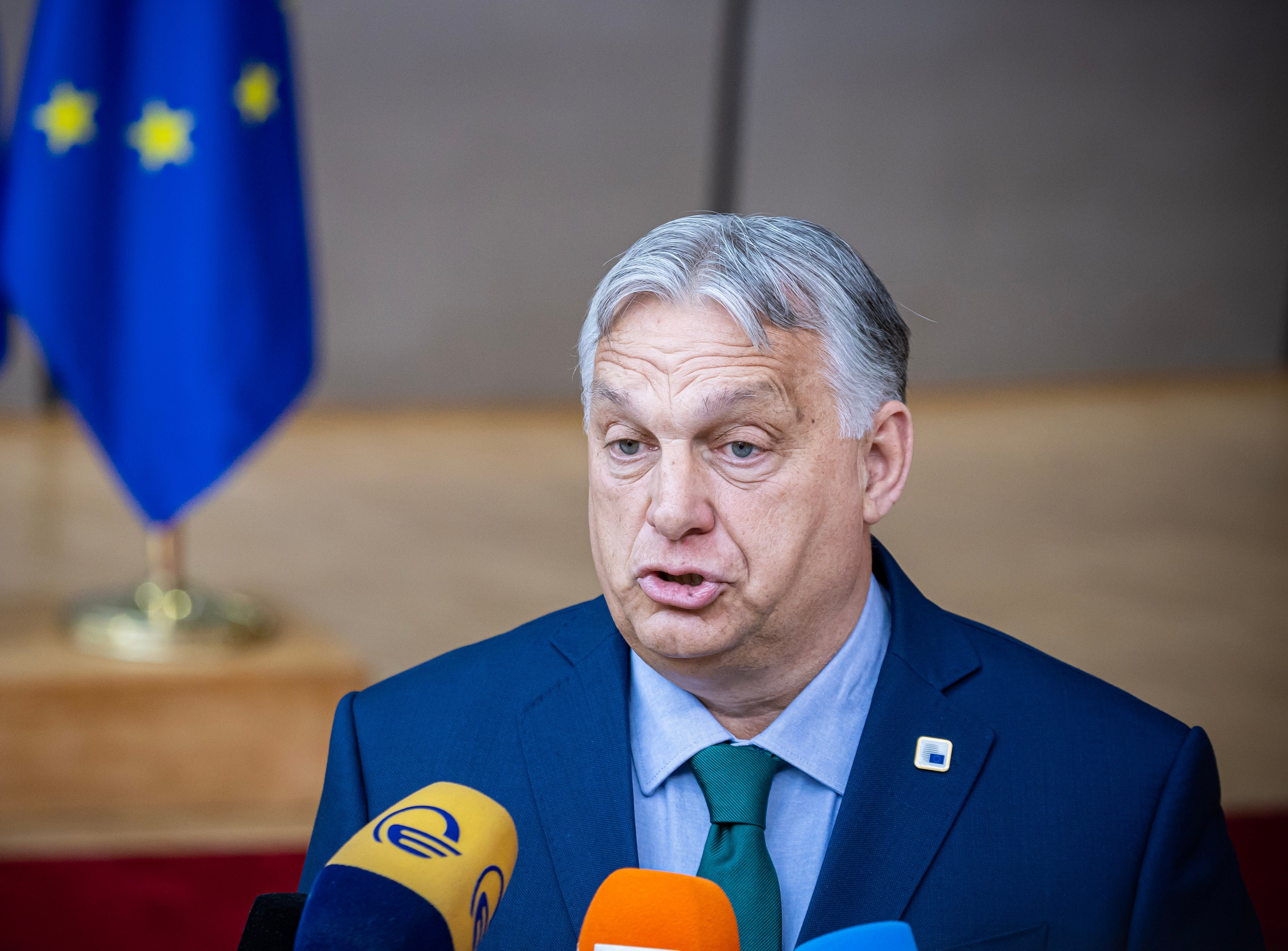
Why It Matters: The EU's decision-making system requires unanimity on budget matters, meaning Hungary — with a population of 10 million — can singlehandedly block decisions backed by 26 countries representing 440 million people. Orbán has now used that power to paralyze Europe's Ukraine response on the fourth anniversary of Russia's full-scale invasion, vetoing both a €90 billion loan and new sanctions in a single stroke. Lithuania and others are calling for voting reform to prevent single-country vetoes, but changing the rules itself requires unanimity.

The pretext is a dispute over the Druzhba pipeline, a Soviet-era conduit that carries Russian oil to Hungary under a sanctions exemption Budapest negotiated. When the pipeline was damaged by a Russian strike in January, Hungary blamed Ukraine for not repairing it fast enough, suspended diesel exports to Kyiv, and used the standoff to justify the double veto. But the timing tells a different story. Orbán faces his most competitive election in 16 years on April 12 and has made opposition to Brussels and Kyiv central to his campaign. The veto is as much domestic politics as foreign policy.

For Ukraine, the consequences are tangible. The €90 billion loan would cover roughly two-thirds of the country's budget for two years. Ukraine has said it needs the funds by April, after the US completely withdrew support under Trump. Without it, Ukraine faces potential economic collapse before any military defeat — diesel powers military vehicles, agricultural equipment, and backup generators keeping critical infrastructure running under bombardment. Russia doesn't need to win on the battlefield if a single EU member can cut off the financing that keeps Ukraine's state functioning.

Sources: Euronews (1), Euronews (2), Euronews (3), Politico

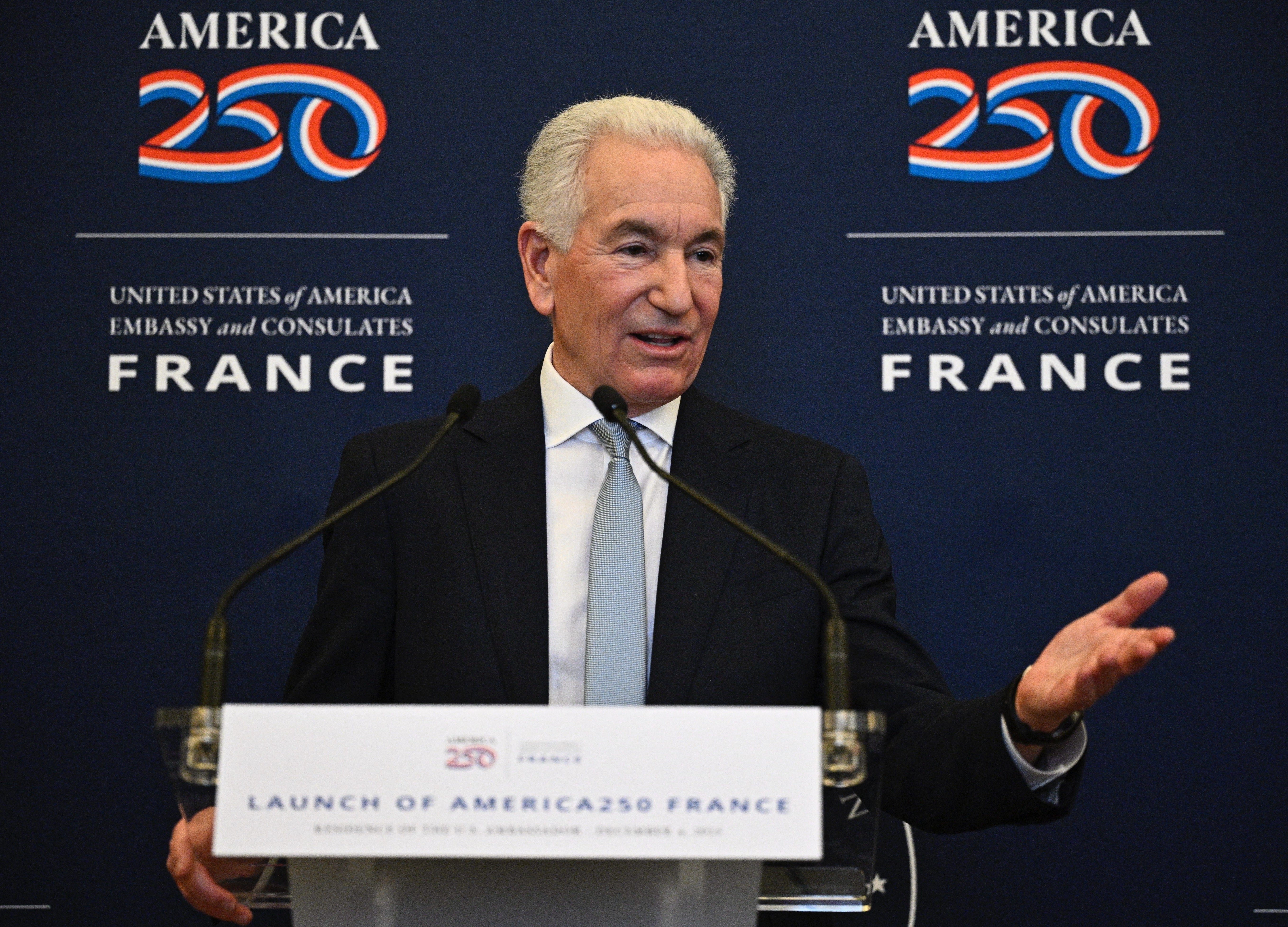
Why It Matters: The diplomatic freeze has functional consequences for US-France cooperation across security, economic, and diplomatic channels. Quentin Deranque, a 23-year-old far-right activist described as a fervent nationalist, was beaten by alleged hard-left activists during clashes between far-left and far-right groups on the sidelines of a February 12 protest in Lyon. He later died from brain injuries. Conservative media dubbed it "France's Charlie Kirk moment." The State Department's statement warning that "violent radical leftism is on the rise" led France to summon Kushner, viewing the commentary as interference in domestic politics ahead of a presidential election.

This marks the second time Kushner has skipped a formal summons. In August 2025, he also failed to appear after alleging France wasn't doing enough to combat antisemitism. To note, Charles Kushner isn't a career diplomat. He's a real estate developer and convicted felon who pleaded guilty to tax evasion, witness tampering, and illegal campaign contributions in 2004 before receiving a presidential pardon from Trump in 2020. He's also Jared Kushner's father, making this a family appointment to one of America's most prestigious ambassadorships. France's Foreign Ministry said the repeated no-shows represent a failure to meet basic diplomatic requirements, prompting the decision to revoke his ministerial access.

Restricting an ambassador's access to government ministers limits his ability to conduct core diplomatic functions. France and the US share critical intelligence on counterterrorism, and a breakdown in ministerial access can slow the transfer of time-sensitive information. The two countries also maintain over $300 billion in annual trade, with French companies being the largest foreign employer in several US states. Diplomatic friction can lead to regulatory delays or economic hurdles that directly affect American businesses and workers. For American citizens living in France, disrupted diplomatic relations create problems for consular services, business dispute resolution, and legal assistance.

Similar tensions have emerged with Denmark over Greenland in recent weeks. If other countries begin restricting Trump appointees' access, it sets a precedent that could reduce the efficiency of American diplomacy globally at a moment when the administration needs allied cooperation on Ukraine, China, and trade negotiations.

The episode comes as the US and France mark 250 years of diplomatic relations. While Kushner's phone call with Foreign Minister Barrot on Tuesday appeared to defuse the immediate crisis, the incident demonstrates how breaches of diplomatic protocol — such as skipping government summons and commenting on domestic political matters in allied countries — can create friction that affects the practical functioning of bilateral relationships.

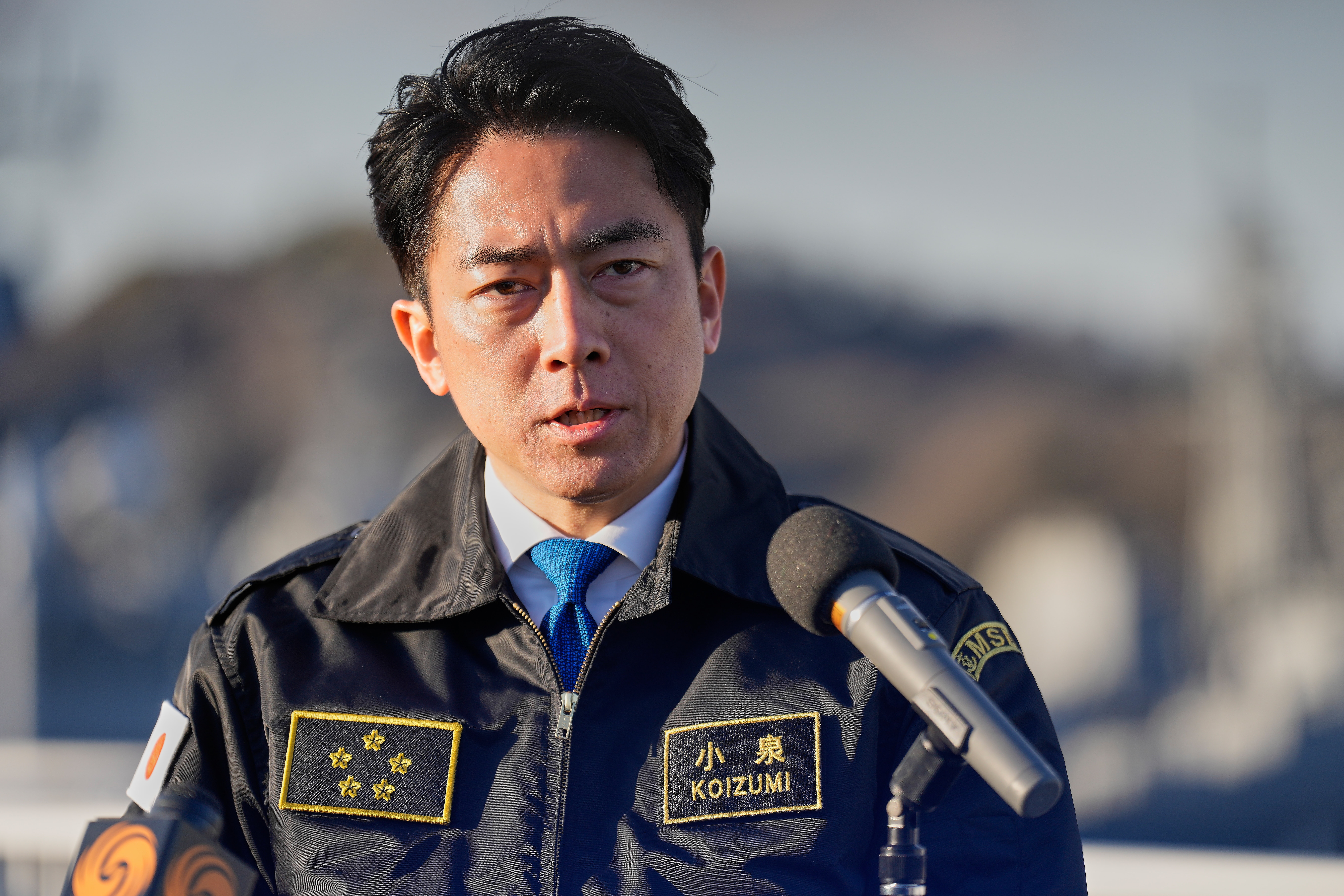
Why It Matters: Japan is betting that visible military preparations prevent war rather than provoke it. Since World War II, Japan has maintained a constitutionally pacifist posture, limiting its military to self-defense and avoiding foreign conflicts. By publicly announcing missile deployments to Yonaguni, an island just 70 miles from Taiwan, Japan is abandoning decades of strategic ambiguity and signaling that any Chinese move on Taiwan automatically involves Japan. The timeline reflects shared threat assessments, as US intelligence indicates China might act in the late 2020s to early 2030s, and Japan's 2031 deployment suggests Tokyo is working from the same assumptions.

China has responded across multiple fronts: imposing export controls on 20 Japanese companies, issuing travel warnings for Chinese citizens, canceling cultural exchanges, and recalling pandas from Japanese zoos. China loans pandas to other countries as diplomatic gestures — having them recalled represents a severe diplomatic rebuke. When Defense Minister Koizumi visited Yonaguni in November, China flew drones near the island within days. The breadth of retaliation shows Beijing views this not as routine defense planning but as Japan remilitarizing under its US alliance, and neither side knows where the other's red line sits.

For the US, the economic stakes are immediate. Taiwan produces over 90% of the world's most advanced semiconductors, including the cutting-edge 3-nanometer processors that power iPhones, AI systems, and modern cars that cannot be manufactured anywhere else. Building comparable production capacity would take five to 10 years and hundreds of billions of dollars. A Chinese blockade would halt that production immediately.

The military stakes are equally direct. Japan hosts 54,000 US troops and serves as the primary logistics hub for American military operations in Asia. The missiles on Yonaguni would operate as part of an integrated system alongside US forces. If China moves on Taiwan and Japan activates these systems, American and Chinese militaries would be in direct combat from day one — not "involvement," but American pilots engaging Chinese aircraft, naval battles in the Pacific, and possible strikes on the Chinese mainland.

Why It Matters: For nearly half a century, the US has pressured Iran to abandon its nuclear program — sanctions since 1979, withdrawal from the nuclear deal in 2018, and now the largest American military buildup in the Middle East in decades. The result is the opposite of what Washington intended. Iran has enriched uranium closer to weapons-grade. Sanctions collapsed the rial to 1.42 million per dollar. Mass protests have erupted. And the government killed thousands rather than negotiate, using the American military threat to justify the crackdown and framing dissent as supporting foreign enemies.

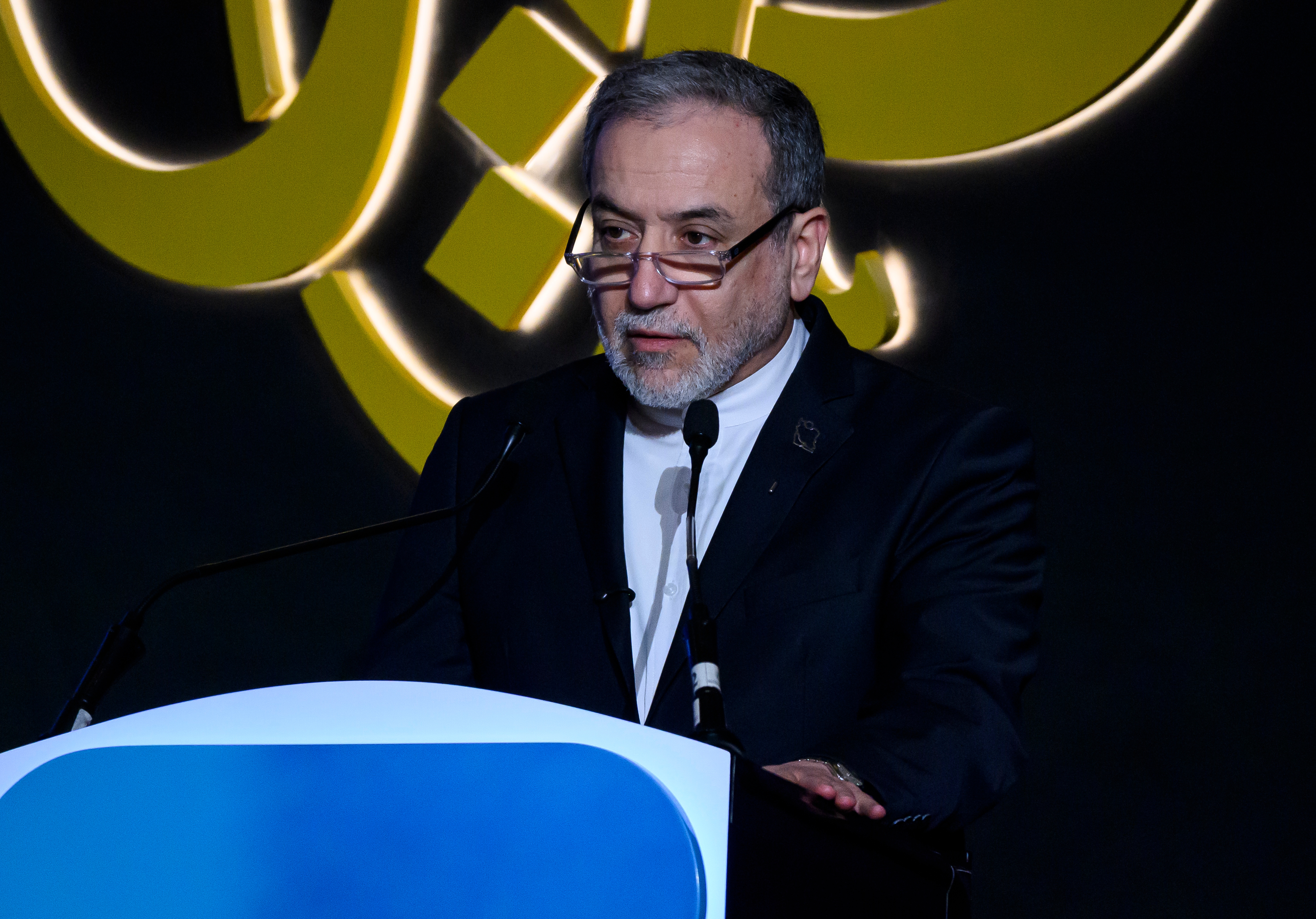
However, this round is different. Trump needs a deal for domestic political reasons, and Iran's leadership knows it. He campaigned on securing better terms than those in the 2015 agreement he withdrew from, which leaves him boxed in. If talks fail and he launches strikes, he owns the consequences — oil disruptions, gas price spikes, and Americans questioning why the US is starting another Middle Eastern war. Iran has demonstrated its ability to disrupt global energy markets, temporarily closing the Strait of Hormuz in February — the channel through which a fifth of the world's oil passes. If Trump settles for terms similar to those he cited for withdrawing in the first place, it undermines his justification for withdrawing. Iran's negotiators understand this leverage, which is why Foreign Minister Araghchi can say a deal is within reach while also stating Iran won't forgo uranium enrichment — the core demand Trump keeps making.

The CIA also published Farsi-language instructions for Iranians to securely contact the agency — a signal that the US is preparing for intelligence operations inside Iran or anticipating regime instability, not just military strikes.

For Americans, the shadow of Iraq hangs over all of it. That war began with confidence about a quick victory and produced trillions in costs, thousands of American deaths, and regional instability that persists today. Iran is a larger country with more sophisticated military capabilities and proxies spread across the region. Military strikes could set its nuclear program back temporarily, but they wouldn't eliminate it. Without a ground invasion (that no one is proposing), the likely outcome is a cycle of limited strikes, retaliation, and resumed nuclear work that leaves the underlying problem unresolved.

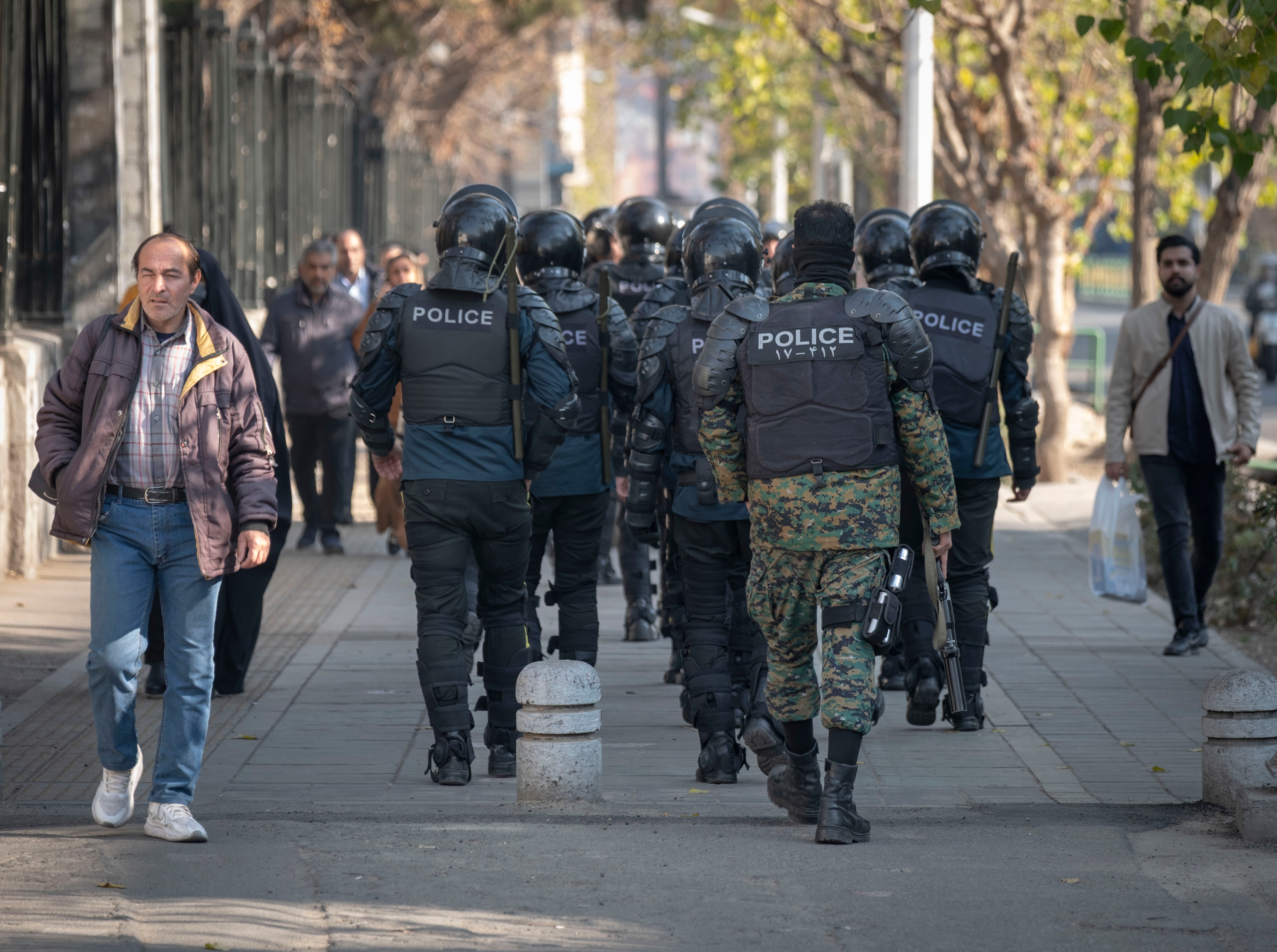
Why It Matters: The Iranian government is killing university students for protesting against it. HRANA, a Washington-based human rights organization, has documented more than 7,000 confirmed dead from January's protests. The Iranian government claims 3,117 confirmed dead, a discrepancy suggesting it's concealing the scale of its violence by more than half.

Any deal from Geneva would have immediate consequences. Sanctions relief would release Iranian oil onto global markets, lowering gas prices — a tangible incentive for a president facing midterm pressure. But it would also stabilize a government that has moved nearly 80% of its universities online to prevent students from gathering, flood remaining campuses with armed plainclothes police, and bar students identified from past protests from entering at all. The 2015 nuclear deal faced exactly this criticism — that sanctions relief funded repression rather than reform.

If talks collapse, Trump faces military strikes — with the gas price spikes, regional instability, and Iraq-war echoes that entail — or walking away empty-handed after assembling the largest US military buildup in the Middle East in decades. Iran's leadership understands this leverage, which is why Khamenei has shifted his rhetoric toward martyrdom rather than restraint. The core question for Americans is whether a nuclear deal with a government actively killing thousands of its own people produces stability, or just defers the crisis while funding the repression that fuels the next one.

Why It Matters: The word genocide carries specific legal weight — it's not a description of scale but of intent, and a UN-mandated mission has now concluded the RSF acted with that intent. That finding triggers obligations under the 1948 Genocide Convention, which requires signatory states to act to prevent and punish genocide. In practice, those obligations have rarely been enforced — Rwanda, Srebrenica, and the first Darfur genocide all demonstrated that. But the finding strips away the ambiguity that has allowed governments to treat Sudan's war as a tragic but distant civil conflict rather than a crime demanding intervention.

This is the second genocide in Darfur in two decades. The RSF grew directly out of the Janjaweed militias that killed 300,000 people in Darfur in the early 2000s — a campaign the US formally called genocide in 2004. Two decades later, the same region, the same ethnic communities, and in many cases the same militia networks are carrying out the same violence. The UAE has backed the RSF throughout, a position it denies despite evidence compiled by the UN, independent experts, and journalists.

The US sanctioned three RSF commanders this week, but hasn't sanctioned their state backer — a country that remains a major American arms customer, hosts a US air base, and is a key partner in Washington's Middle East strategy. That gap between acknowledging atrocities and acting on the relationships that enable them is where accountability keeps breaking down.

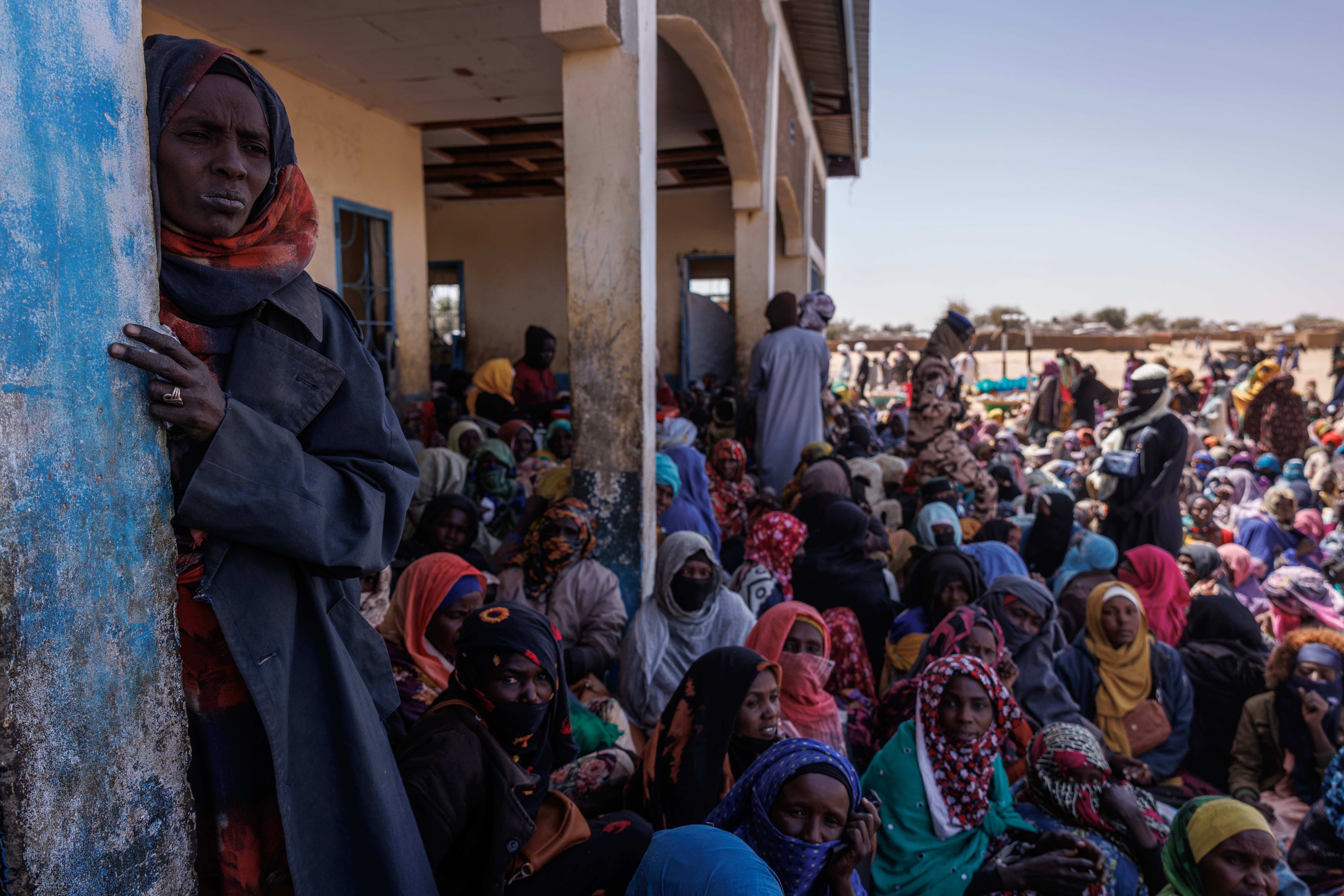
Sudan's war has now displaced 11 million people — more than Ukraine — and is fueling refugee crises across Chad, South Sudan, and Egypt. Yet it receives a fraction of the media coverage, diplomatic attention, or humanitarian funding. The genocide finding is the international community's own institution, saying this isn't a civil war that got out of hand. It's a systematic, intentional destruction of ethnic communities. What happens next — or doesn't — will signal whether that distinction still means anything.