yahoo Press
The West has been in a 32-year drought. But it may be worse than that
Images
1 / 20
2 / 20

3 / 20

4 / 20
5 / 20
6 / 20
7 / 20
8 / 20

9 / 20
10 / 20
11 / 20
12 / 20
13 / 20
14 / 20
15 / 20
16 / 20
17 / 20
18 / 20
19 / 20
20 / 20
For thousands of years, drought in Arizona has followed a familiar arc: Dry years stacked up, water supplies shrunk and snowpack lacked its usual depth. Then, eventually, the pattern broke with a run of snowy winters, dramatic monsoons and a sense that balance had been restored in an ecosystem that had adapted for survival.

This cyclical pattern is baked into life in the Southwest. Drought is painful, but temporary. Until it’s not.

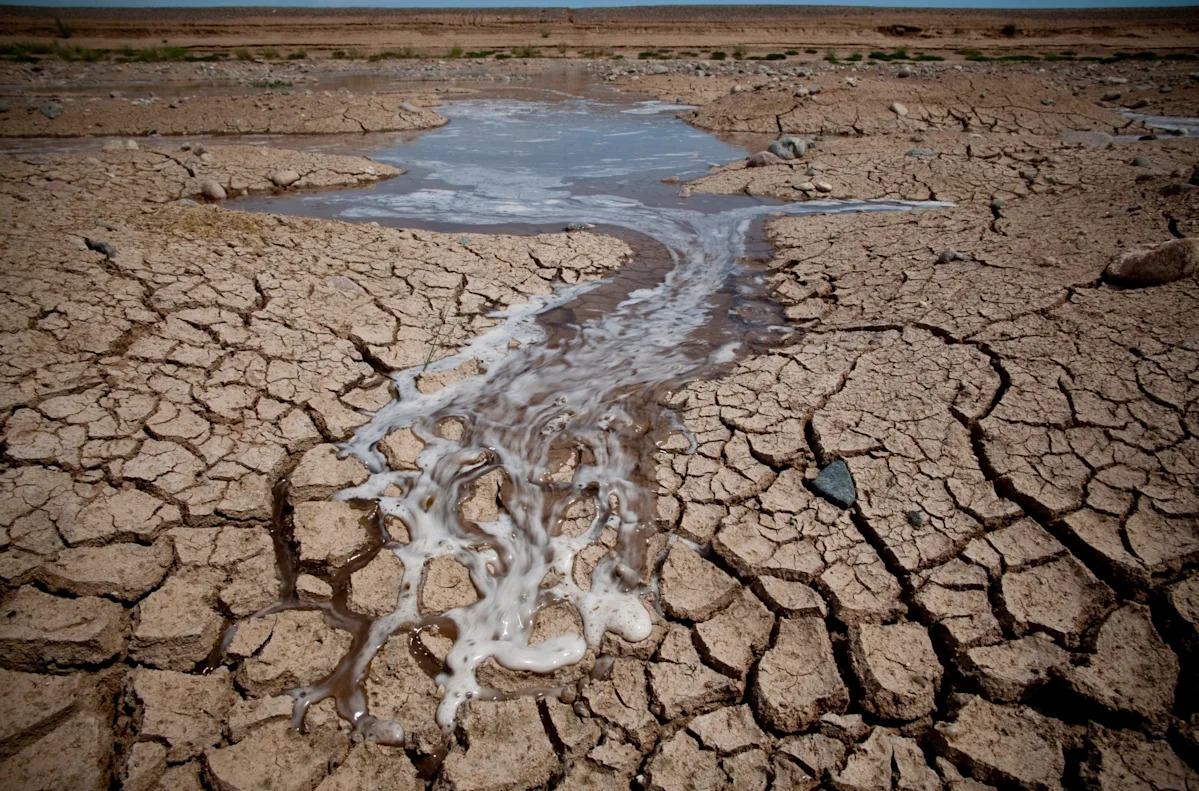
Arizona has recorded about 11 inches of rain statewide — less in Phoenix, more in the High Country — every year since the 1990s, an inch below the long-term average and enough to declare a drought. As the state enters the 32nd year of drought, the end should be near.

Statistically, droughts in the desert tend to last about 35 years. Previous major droughts occurred in the 1920s and 30s, during the Dust Bowl Era, and again in the 1950s.

But scientists fear this pattern no longer holds.

What looks like prolonged drought may actually be something more permanent in the Southwest, a shift toward a drier baseline driven by rising temperatures. Even when rain and snow return, the landscape holds less water than it once did.

Scientists have a term for this larger shift: aridification.

Unlike drought, which is defined by below-average precipitation over months to decades, aridification describes a long-term transformation of the climate system itself. Warming temperatures increase evaporation from soils, plants and snowpack, meaning the same amount of precipitation now produces less usable water.

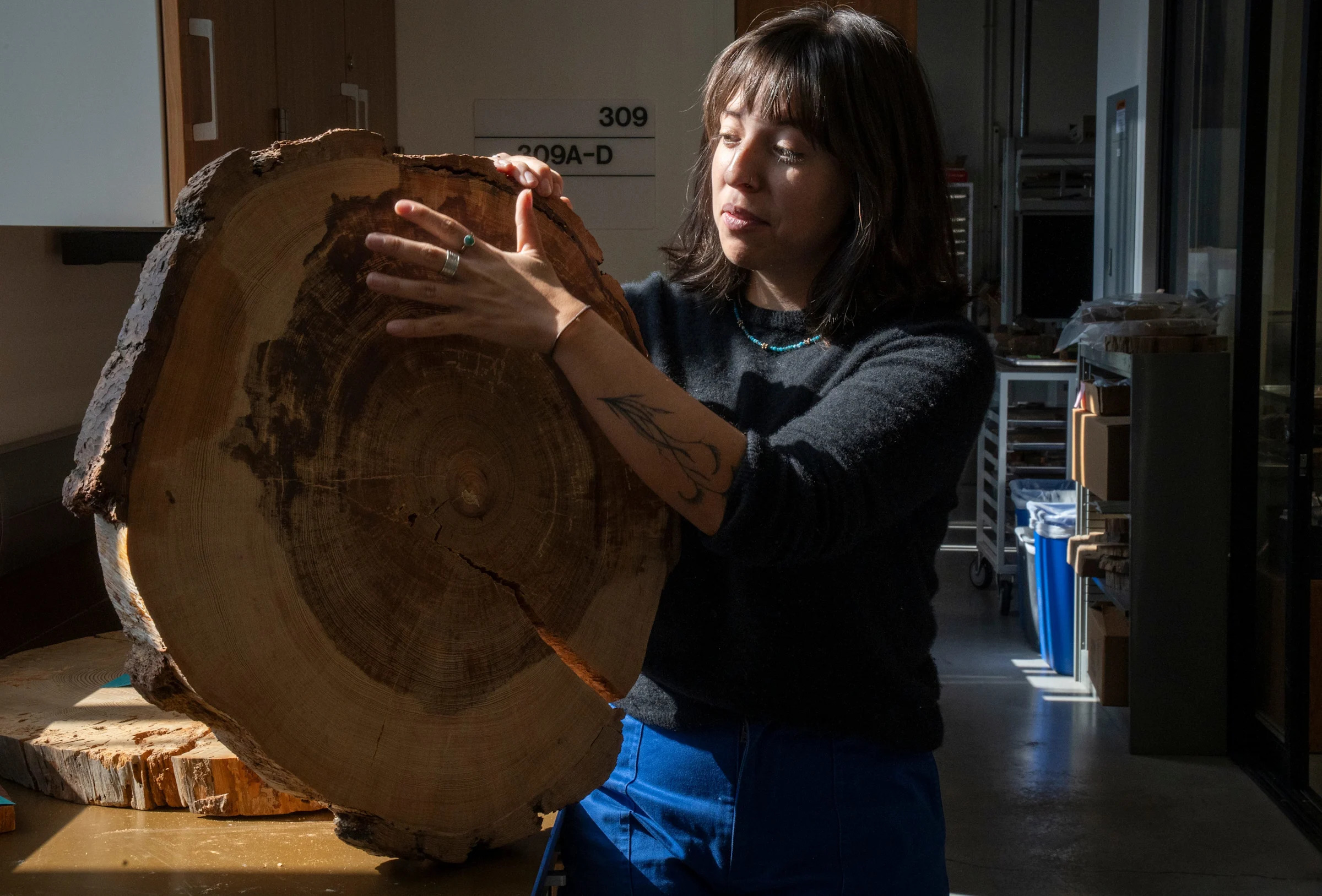
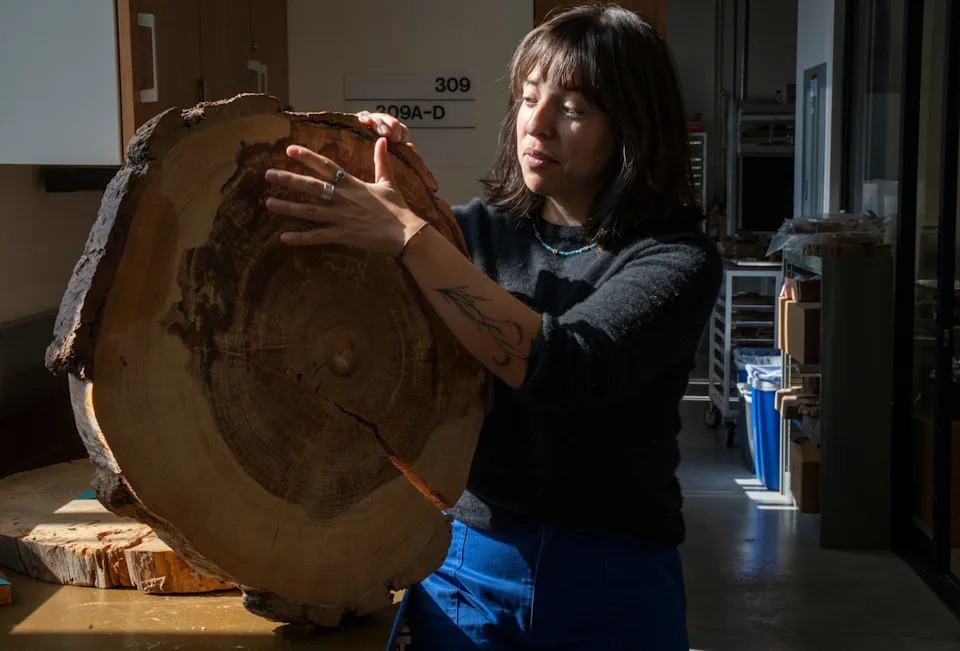
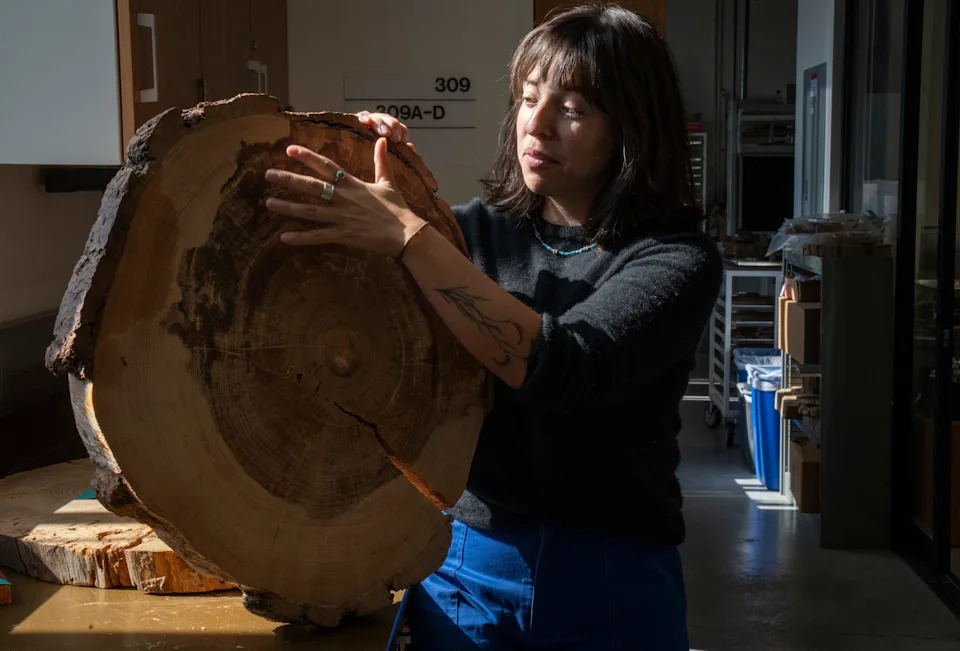
Cecilla Martinez, a doctoral student, with a "tree cookie" in the Laboratory of Tree-Ring Research at the University of Arizona in Tucson on Jan. 30, 2026.Never-ending: The West has been in a 32-year drought. But it may be worse than that

Cecilla Martinez, a doctoral student, with a "tree cookie" in the Laboratory of Tree-Ring Research at the University of Arizona in Tucson on Jan. 30, 2026.Never-ending: The West has been in a 32-year drought. But it may be worse than that

Trees experience drought stress. Rivers produce less water. Forests grow unhealthy and vulnerable to wildfire. Native species suffer as the landscape shifts. Snowpack shrinks. And the past stops working as an indicator of the future.

The result is a region where water stress lingers and the ecosystem transforms, even in years that would once have brought relief.

“Droughts, by definition, have beginnings and ends,” said Michael Crimmins, a climatologist at the University of Arizona. “Aridification is a systematic shift that doesn’t necessarily have an end to it.”

That distinction is shaping how scientists, water managers and ecologists think about Arizona’s future, and why the current drought may not end in the way many expect.

Dry winter: Too little snow, too much rain has put the West in a 'snow drought'

Arizona’s climate has always been volatile, with alternating dry and wet periods that can span decades. Tree-ring records stretch back thousands of years, showing cycles of wet decades punctuated by severe, long-term drought.

Some of those historical dry periods rival, or even exceed, today’s drought in terms of below-average precipitation.

Even though the Southwest may be getting the same amount of rain as droughts in the past, average temperatures have risen steadily since the late 1800s as greenhouse gases trap more heat in the atmosphere.

The warming isn’t just the extremes we see in the headlines, with daily highs pushing past 115 degrees in Phoenix. The shift is quieter than that in the transitional months.

Spring in Arizona warms up earlier, and the heat lingers well into the fall. Fall 2024 was Phoenix’s hottest fall on record, with 21 consecutive days of daily record highs and multiple 110-degree days well into the season.

This has repercussions for how water traditionally moves through the atmosphere, the soils and in waterways throughout the year.

As temperatures rise, the atmosphere can hold more water vapor, increasing evaporative demand. That means a warmer atmosphere pulls more moisture from soils, vegetation and snowpack. Snow melts earlier, soils dry out faster and plants lose water more quickly. In practical terms, precipitation totals alone no longer tell the water story in the Southwest.

There could be years with near-normal rainfall on paper, but with rising temperatures, it may not be as moist on the ground.

Detecting this shift isn’t easy in a place that’s already dry. Variability is normal, but teasing out evidence of how this is happening and how quickly has been tricky.

“The climate down here is noisy,” Crimmins said. “A signal can be buried in that noise, but aridification is definitely occurring, and it’s more long-term. It doesn’t have this hard edge to it where you go from things are fine to an abrupt change to a different system, because the system is already pretty arid.”

But the climatological noise has fueled debate over whether the Southwest is simply locked in another multidecade drought or if a fundamental shift is happening.

Researchers say multiple independent lines of evidence now point in the same direction: warming is changing the baseline.

Fish stories: How an Arizona tree-ring scientist finds clues about climate in fish bones

Some of the clearest evidence comes not from the desert floor, but from Arizona’s forests in tree-ring records that go back centuries. Tree-ring scientists, or dendrochronologists, can glimpse into past droughts and compare them to today’s dry spells.

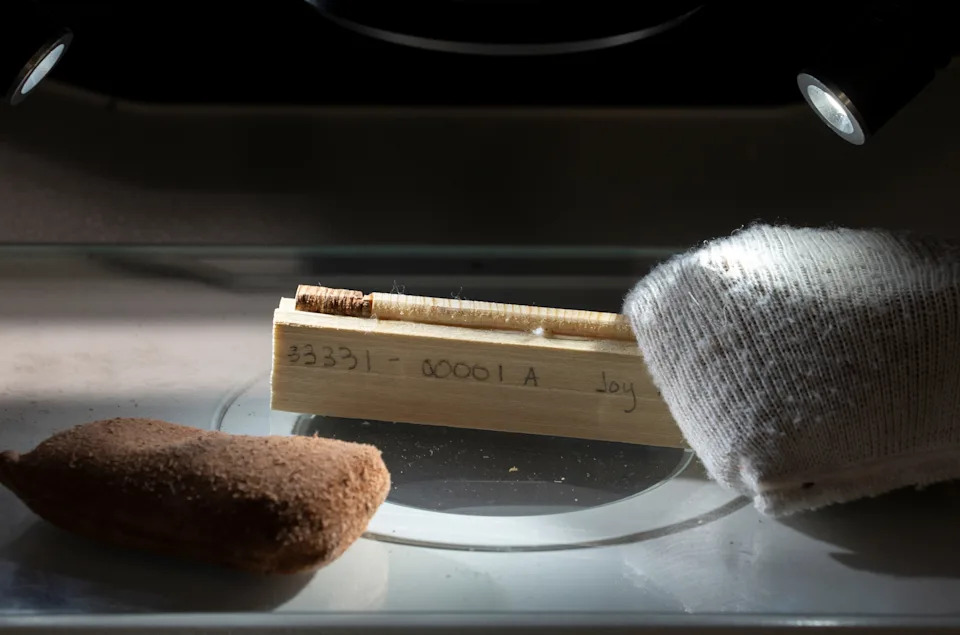
Trees act as natural climate archives, preserving year-by-year records of how they respond to environmental conditions, like temperature and precipitation. Trees grow a wider ring during favorable, wet years. Narrow rings signal drought stress.

By analyzing trees across the region, researchers can compare how forests responded to past droughts under cooler conditions versus today’s warmer climate.

The results are striking.

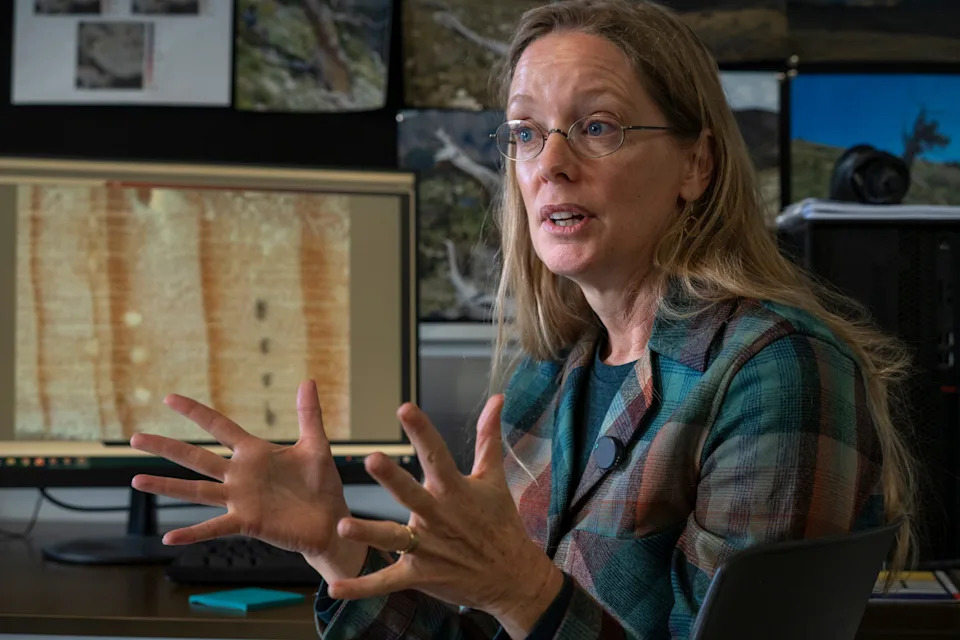
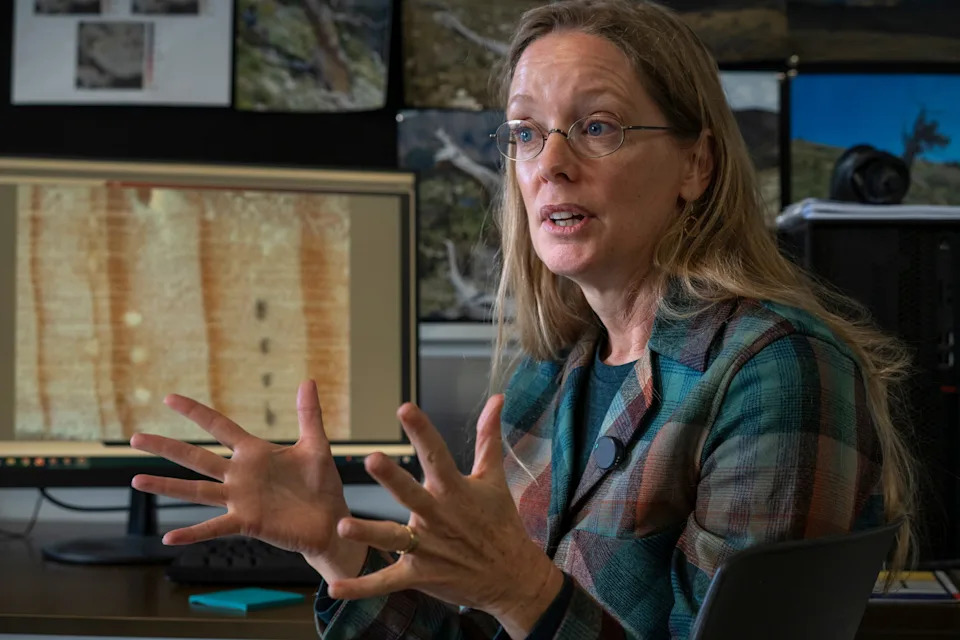
“The big difference between the droughts we’re seeing now compared to the droughts we saw in the 1900s, these are warmer droughts,” said Margaret Evans, a dendrochronologist at the University of Arizona’s Laboratory of Tree-Ring Research.

In a collaboration with the Navajo Nation Forestry Department, Evans took samples of trees from the Defiance Plateau, the Chuska Mountains and the Little Chuska Mountains — all in northeastern Arizona — to study drought’s impact on trees.

Historically, trees sitting at higher elevations do better than those at lower elevations during drought. Higher elevations tend to have lower temperatures and more snowpack, which benefits trees in the mountains.

Finding a way: How rainwater fills most of this AZ couple's household needs

“What the data showed us is that in the last 30 years, when you have these unusually warm spring temperatures, basically all of the trees are doing badly,” she said. “Climate change is like a rising tide of warming, and that rising tide is now reaching the highest elevation point.”

Evans calls this a synchronizing drought, where all trees across all forest types, regardless of topographic location or slope, are experiencing similar levels of drought stress and putting on thinner rings.

Trees across the state are struggling to thrive in warmer temperatures, even with similar amounts of precipitation.

“If you get the same amount of snow but it melts faster in the 2002 drought compared to a 1930s drought, then the tree in the 1930s with the same amount of precipitation is doing much better,” Evans said.

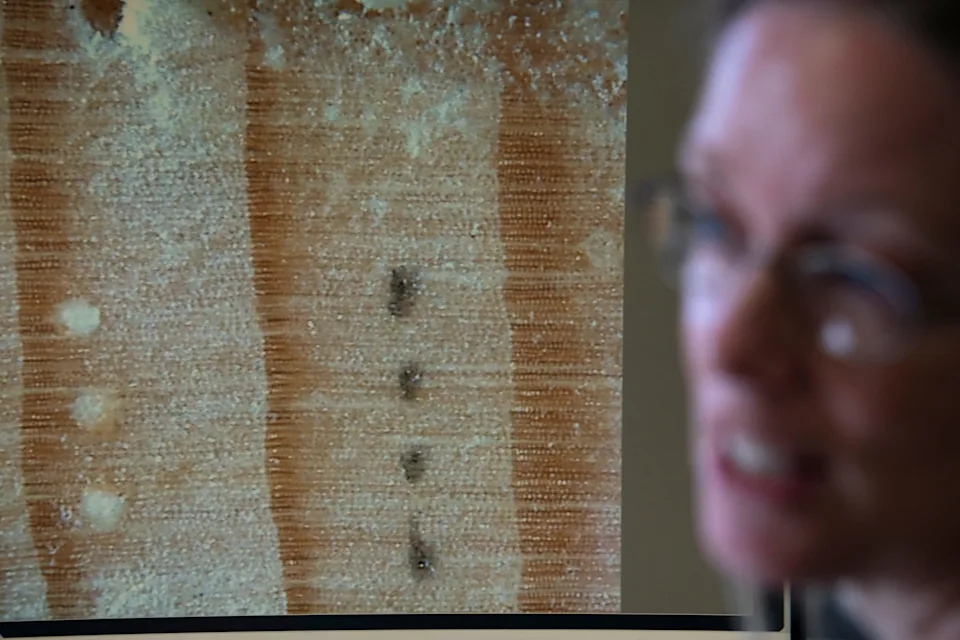
The proof is in the rings. Evans pulled tree ring samples from the early 2000s, which showed a thin ring during the 2002 drought compared to wetter years. Compared to droughts in the 1900s with similar rainfall but cooler temperatures, rings in the 2000s were thinner.

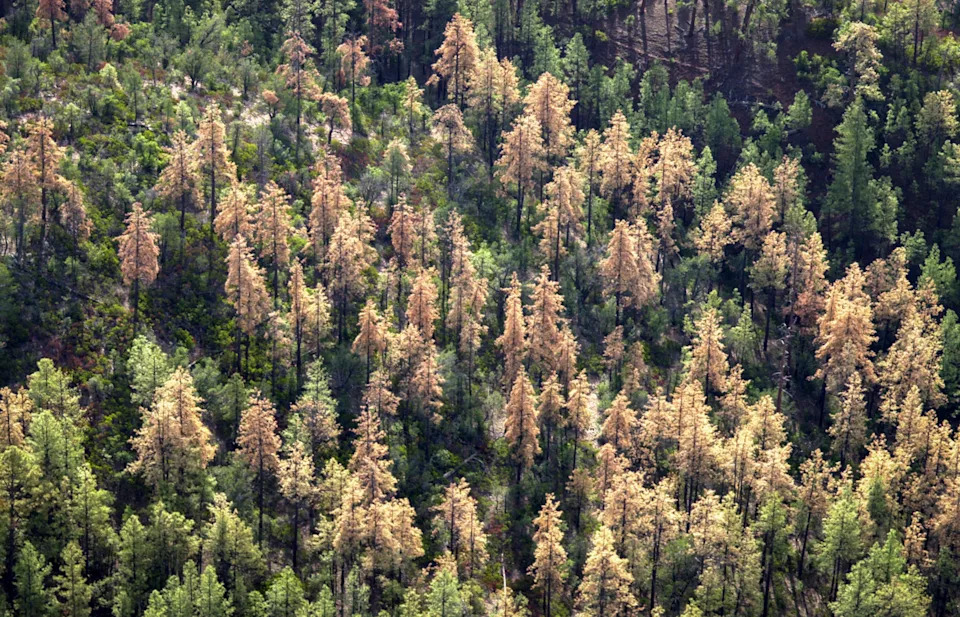
This combination doesn’t just slow growth. It can push trees past survival thresholds, which can cascade across the ecosystem.

“The trees are an indicator of what’s happening to the whole system,” Evans said. “If a tree isn’t growing well, that’s an indication there is a drought. Snow melts earlier, which means the fuels dry out earlier and you have a longer fire season.”

This also increases trees’ vulnerability to insect outbreaks and limits their ability to sequester carbon. Trees absorb carbon from the atmosphere, offsetting the impacts of climate change, a process known as carbon sequestration. When trees die, that stored carbon is released back into the atmosphere. That limits the capacity of one of Earth’s biggest carbon sinks and amplifies warming.

Climate effects: The Colorado River used to be predictable as a water supply. What happens when it's not?

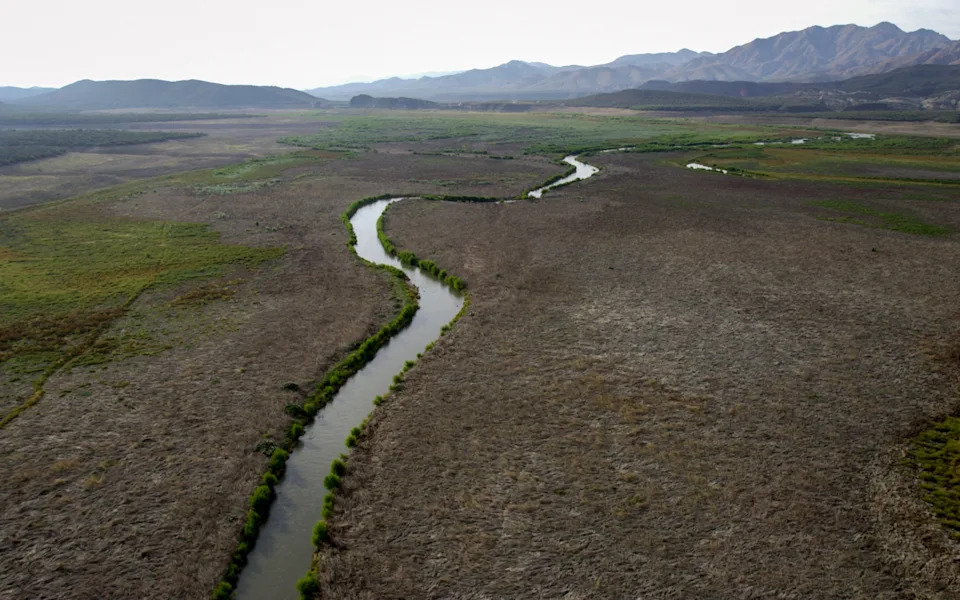
This warmer but not necessarily drier shift that is reshaping forests is also altering how water moves through the Southwest’s river systems, including those that supply millions of people in central Arizona.

On the Colorado River, higher temperatures are reducing runoff efficiency in ways that are difficult to reverse. Warmer conditions reduce runoff efficiency even in years with decent snowpack. More precipitation falls as rain instead of snow, reducing the slow-release runoff that mountain snowpack once provided.

The Southwest has seen its lowest January snow cover on record in 2026, even though most regions saw average to above-average precipitation through the fall and early winter. But warmer temperatures meant it hit the ground as rain, rather than snow.

NASA's Terra satellite provided insight into the lackluster snowpack across the West on Jan. 15. It found snow covered 142,700 square miles of the West, the lowest coverage on record dating back to 2001.

While there is still time left in the snow season for snow to accumulate, this shows how temperatures are a primary driver, not just the amount of precipitation that falls.

At the same time, soils dry out faster and absorb more water before runoff can even begin.

“When soils are already dry, it’s like a sponge that needs to fill up first,” said Nolie Templeton, a senior policy analyst with Central Arizona Project’s Colorado River programs. “That water has to go somewhere before it ever reaches the river.

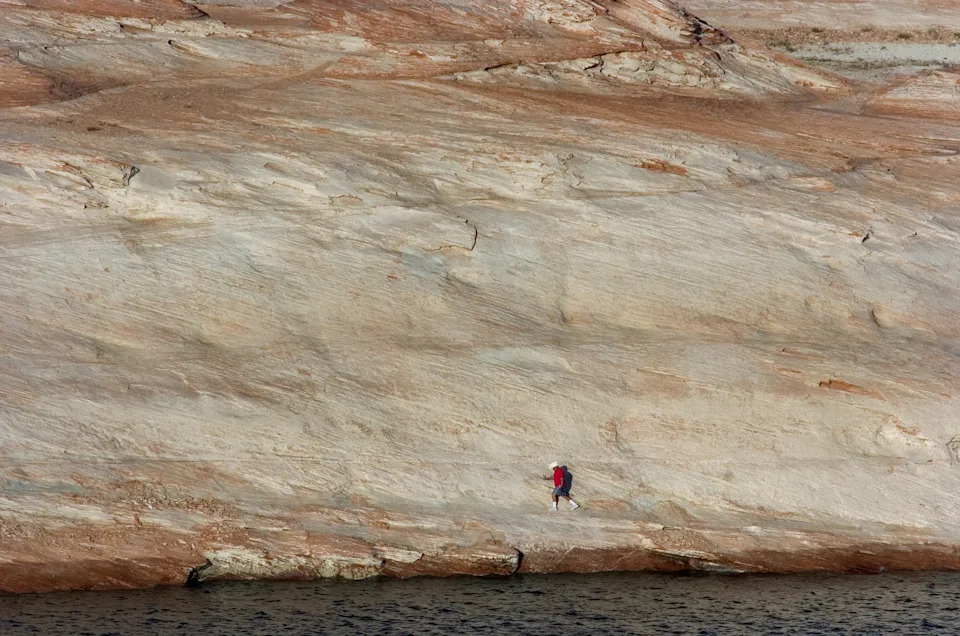
Over time, those losses compound. Even when winters deliver near-average snowpack, less water ultimately reaches Lake Powell and Lake Mead. Scientists and water managers say that temperature, not just precipitation, is now one of the dominant forces shaping how much water the river can reliably produce.

That dynamic is a central reason researchers describe the basin as experiencing aridification rather than a temporary drought. Warming permanently handicaps the watershed, shrinking the payoff from wet years.

The Salt and Verde river systems that supply much of metro Phoenix are also affected by rising temperatures, but their response to aridification looks different.

At Salt River Project, climate scientists say it can be difficult to neatly separate drought from aridification. Instead, long-term planning assumes deeper droughts layered on top of natural variability.

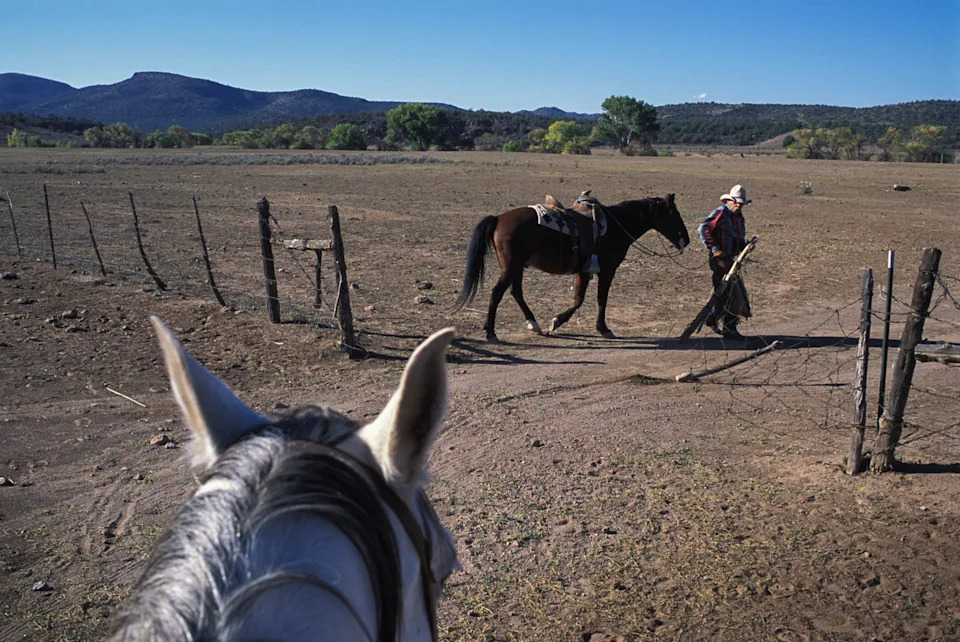
Rancher Mike Landis opens a pasture gate at Willow Ranch, west of Seligman, Arizona, on Sept. 21, 2002.Arizona enters its 32nd year of drought in 2026.Never-ending: The West has been in a 32-year drought. But it may be worse than that

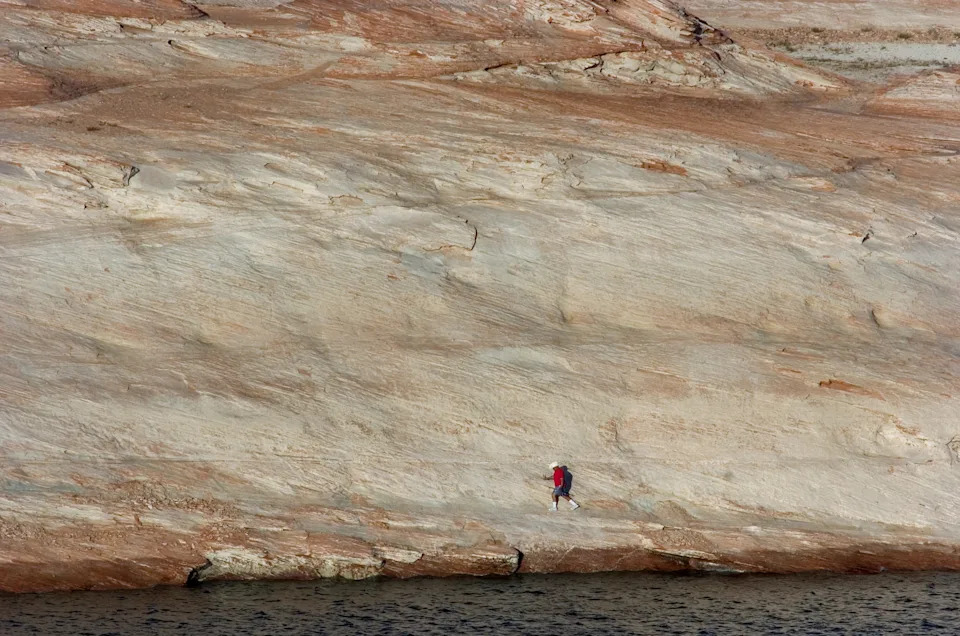
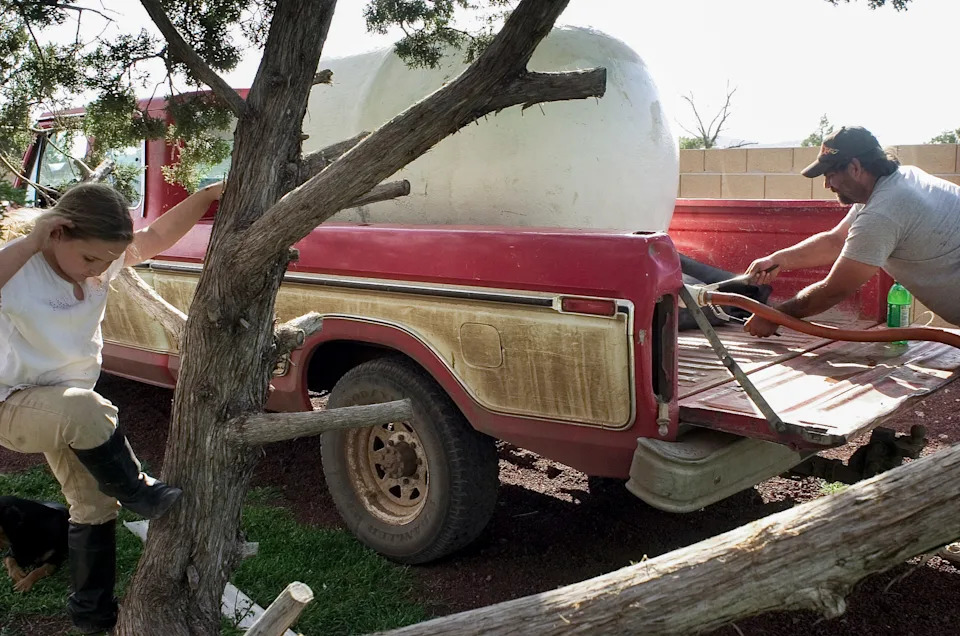
Raymond Knight works in the Grand Canyon during the week in July 2007, helping with mule trains carrying supplies. On the weekends, he would hook a trailer to his pickup and carry water to family and friends.

Rancher Mike Landis opens a pasture gate at Willow Ranch, west of Seligman, Arizona, on Sept. 21, 2002.Arizona enters its 32nd year of drought in 2026.Never-ending: The West has been in a 32-year drought. But it may be worse than that

Hotter conditions reduce streamflow in the Salt and Verde Rivers, according to Bo Svoma, SRP climate scientist and senior meteorologist, but not as sharply as in the Colorado River Basin.

“It’s fundamentally because even before climate change, we received plenty of our streamflow in the winter with rainfall and winter snowmelt,” Svoma said. “We weren’t completely snow dominated.”

Svoma also highlights the potential for extreme wet years even with a warmer atmosphere. Climate projections suggest that when wet winters occur, they may be even wetter, increasing the swing between drought and deluge.

The Salt and Verde reservoir system is designed to capitalize on those wet years. After several years of drought, it was able to refill in 2023 and 2024 following a single exceptionally wet winter, although SRP’s storage capacity is smaller than the Colorado River.

That contrast highlights a core reality of aridification in the Southwest: not all river systems respond the same way. While local watersheds may still recover after wet years, the Colorado River has less room to rebound.

But CAP is planning for deeper shortages, conserving water during wet periods, expanding reuse and storage and rethinking how much water the river can reliably deliver over the long term. The goal, Templeton said, is not to wait out the drought, but to manage the river in a way that remains viable in a warmer, more arid future.

Rising temperatures: Too hot for rattlesnakes? Reptiles, cactuses struggle in Arizona's extreme heat

In the Sonoran Desert, aridification doesn’t always show up as less rain on paper, but when the rain falls and how plants are able to use it.

Life in the desert is built around timing. Many native plants evolved to take advantage of frequent, modest rain events spread across the monsoon season. But those rhythms are starting to break.

“We’re seeing fewer rain events, but more rain per event,” said Elise Gornish, director of the Desert Laboratory at Tumamoc Hill at the University of Arizona. “The same amount of rain can’t be used in the same way.”

When rain arrives all at once, desert soils often can’t absorb it. Water runs off quickly, carrying seeds and topsoil with it. Plants germinate after heavy storms, only to die when the next rain doesn’t come for weeks.

Temperature also disrupts the biological cues plants depend on to survive. The warmer it is, the faster plants lose moisture from the soil surface, and some desert species require a certain number of cold days to trigger germination.

As winter warms, those cues become less reliable. Plants sprout at the wrong time, creating mismatches with pollinators and other species that haven’t shifted in sync.

“That creates cascading effects,” Gornish said. “If flowers bloom when pollinators aren’t there, you get fewer seeds. Then you get fewer plants. Then you get fewer animals.”

Over the long term, aridification favors fast-growing, non-native species over slow-growing natives adapted to historic rainfall patterns. Invasive grasses fill the gaps, increasing fire risk and reducing biodiversity.

Native trees and saguaros respond to this shift slowly, sometimes taking decades to show stress. But long-term monitoring suggests even these iconic species may struggle to persist in a warmer and drier climate.

“I think it’s going to turn into monocultures, which is really too bad because the Sonoran Desert is the most diverse desert on the planet,” Gornish said. “There could be a point where only a few things can live here; they’re all going to be non-native, these bunch grasses that catch on fire really quickly, so they will become grasslands.”

But this shift doesn’t leave people powerless. Gornish said that even small pockets of plant habitat can make a measurable difference in how desert ecosystems cope with heat and drought.

Planting native species in urban and suburban places can help stabilize soils, retain moisture and support pollinators, and native plants can survive more easily when watered and cared for in backyards and community spaces.

“Most people wonder what they can do to help, but there are a lot of studies that have shown yards, gardens and patios are really critical habitat for both plants and pollinators,” Gornish said. “We should plant things that are needed and more likely to survive aridification, and we’re doing the research to figure that out.”

Aridification doesn’t announce itself with a single dry year or an empty reservoir. It shows up gradually — in tree rings, drier soils, rivers that don’t rebound the way they used to and plants blooming out of sync.

None of this means Arizona is running out of water overnight or that the desert is doomed to disappear. The shift is harder to see because it unfolds slowly, layered on top of a climate that has always swung between extremes.

But scientists say understanding and planning for that change matters. It reframes drought not as a temporary crisis, but as a long-term condition that touches everything from forests and deserts to water supplies and daily life in Arizona.

Aridification doesn’t eliminate uncertainty. It sharpens it. And scientists are planning not for the climate they remember, but for the one they see coming.

Hayleigh Evans writes about extreme weather and related topics for The Arizona Republic and azcentral.com. Email her with story tips at hayleigh.evans@arizonarepublic.com.

This article originally appeared on Arizona Republic: The West's 32-year-drought may now be something much worse