15 "Ponies" Facts, Including How Emilia Clarke And Haley Lu Richardson Became The Show's Superpower
“Ponies” creators Susanna Fogel and David Iserson discuss Emilia Clarke and Haley Lu Richardson’s chemistry, getting Fleetwood Mac songs, and tease a potential Season 2. As a Senio…
“Ponies” creators Susanna Fogel and David Iserson discuss Emilia Clarke and Haley Lu Richardson’s chemistry, getting Fleetwood Mac songs, and tease a potential Season 2.
As a Senior Talent Booker and Producer at BuzzFeed, you can typically catch me flailing about the buzziest TV shows and movies.
🚨 There are MASSIVE spoilers ahead for Ponies Season 1! 🚨
David Iserson: Personally, I really have a passion for this era. I really love the look and the music. I think that this is just a really interesting inflection point in history. And I had traveled in my 20s, not to Moscow, but to a bunch of other former communist cities like Prague, Berlin, and Budapest, where we ended up shooting the show. Those cities have their own complicated relationships with the past in this era, but there are, like, these kitschy museums for the '70s and '80s under the Iron Curtain.
It's a really visually interesting, stunning time period with lots of very interesting, weird design, media, music, and television. A very weird, fun-house mirror version of our own Western version of the '70s. So I think that was just something that really captured our imagination. We started talking about just setting something in this time period.
Then there are just a lot of books about true stories of spy operations at the British and American Embassies. I think from that, one of the most interesting details was just how unsuccessful the Americans and the British were in running spy operations in Moscow. I think that kind of fell into contrast of sort of what we had seen in Cold War cinema and in other television shows. Even if it is cynical, there's always the sort of level of competency. So I think that there's something that felt very true about them being able to think outside the box and putting unlikely people in these situations, because the KGB were following everybody all the time. We wanted to write about women, two people, and friendship and relationships through the prism of these characters. So it all kind of came out of that.
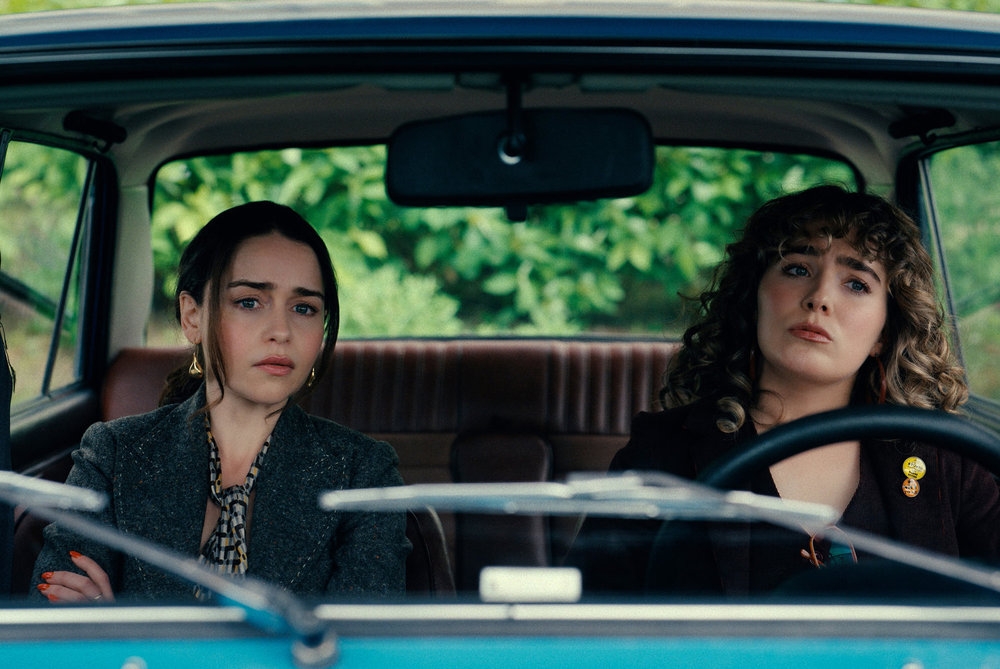
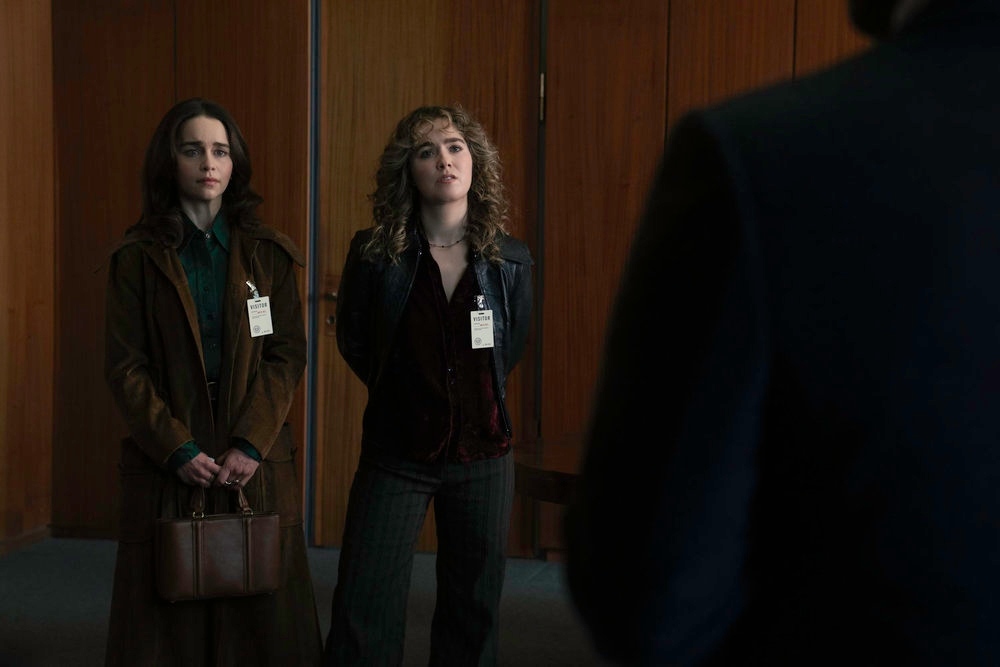
David: We tend not to write with actors in mind. So for us, these characters kind of existed in our heads a little bit before we went to find actors for it. But after finding Emilia and Haley, I don't think we could imagine it with anybody else. Like, they just kind of met the moment, and knowing them, there's so much of themselves in these characters and in ways that, having seen so much of their work prior, I don't think they've always been able to showcase in their other work.
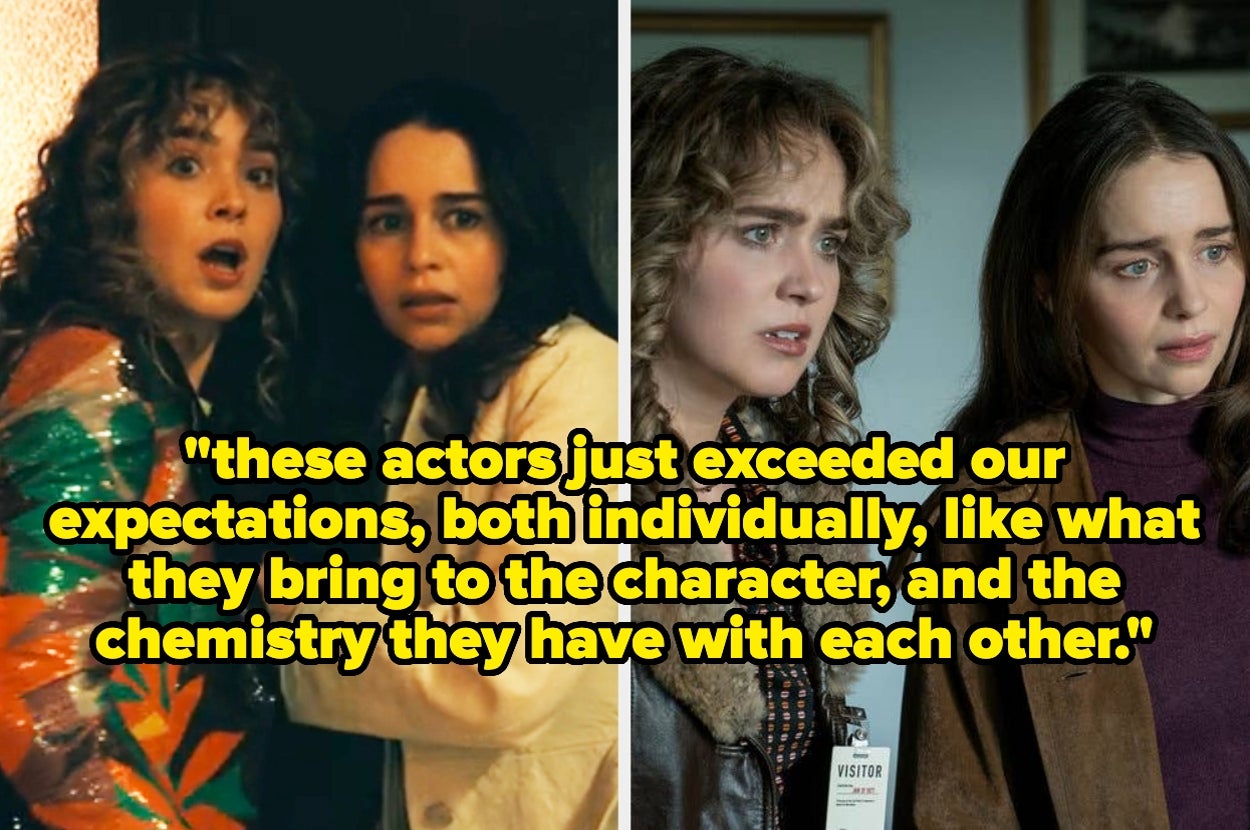
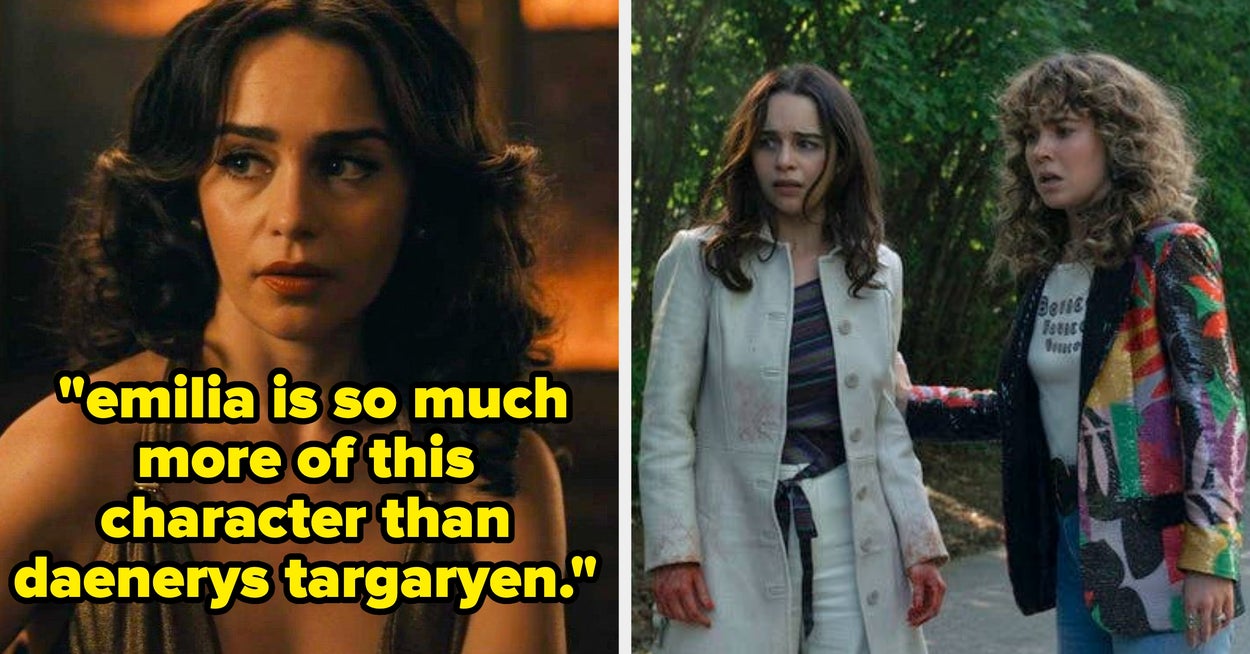
Emilia is so much more of this character than Daenerys Targaryen. And, Haley has done so many coming-of-age films, but this is much more of an expression of who she is as an adult. You have these imaginations of what actors can do, and you hope for the best. And these actors just exceeded our expectations, both individually, like what they bring to the character, and the chemistry they have with each other.
There actually was no way that we could have even guessed how much chemistry they would have, and how close they would be in real life, and how this show could be so much an expression of their friendship. I think we just got incredibly lucky with that, and and it really pops on screen when they come together. When we first saw it happen, in the table read or whenever they first read as these characters, it was such a relief that we had found them.
Susanna Fogel: I think part of it is the casting, just in the sense that there's a certain type of casting that happens where someone's playing the role that they always play, and you almost start to have, like, character blindness to what nuances might be in the writing, because you're like, Oh, they're just doing the thing they do. They showed up to do their thing.
For us, just the fact that it was a little bit out of the box for Emilia to play this neurotic American '70s heroine, and for Haley to play, like, a grown-up, like a wife with real grown-up issues, in spite of her youthful confidence. It's like audiences are so cynical and so used to watching every version of everything. I think you always have to keep them awake. Just keep them awake and alive as they watch and engage with it. Otherwise, they'll just fill in the blanks and dull the nuances. Which is just to say that for this, I think that casting a little bit out of the box for type was the start of it. Just to sort of get people to notice those layers.
It's not a story about how it takes eight hours for them to be able to tolerate each other because they hate each other. It's like you just want to get to the fun of them being partners in crime much earlier on, while maintaining their differences. It's sort of like, within a group of friends that you would actually know in the world, there's a crazy friend, there's a type A friend, and more. And everyone's friends. Everyone's going on vacation together, but they're pretty different, and also everyone's compatible.
They are both like women that we know. It was also trying to take different sides of our personalities, whether it's like we're obviously both more like Bea than like Twila, but we know Twilas, and we have our Twila moments, so we can understand it. So I think it was just trying to find parts of us that connected to both, so that it could plausibly be an extension of our own psyches.
David: I think in the months before we were casting that part, Vic was just popping up on my Instagram, everywhere. I would just see this person, and they're so good, and they're so funny. You just see somebody, and they're just electric on camera. Vic was always just this presence. Then they just auditioned and had such a great audition. Being funny on camera may seem easy for a funny person, but Vic has so much depth and nuance.
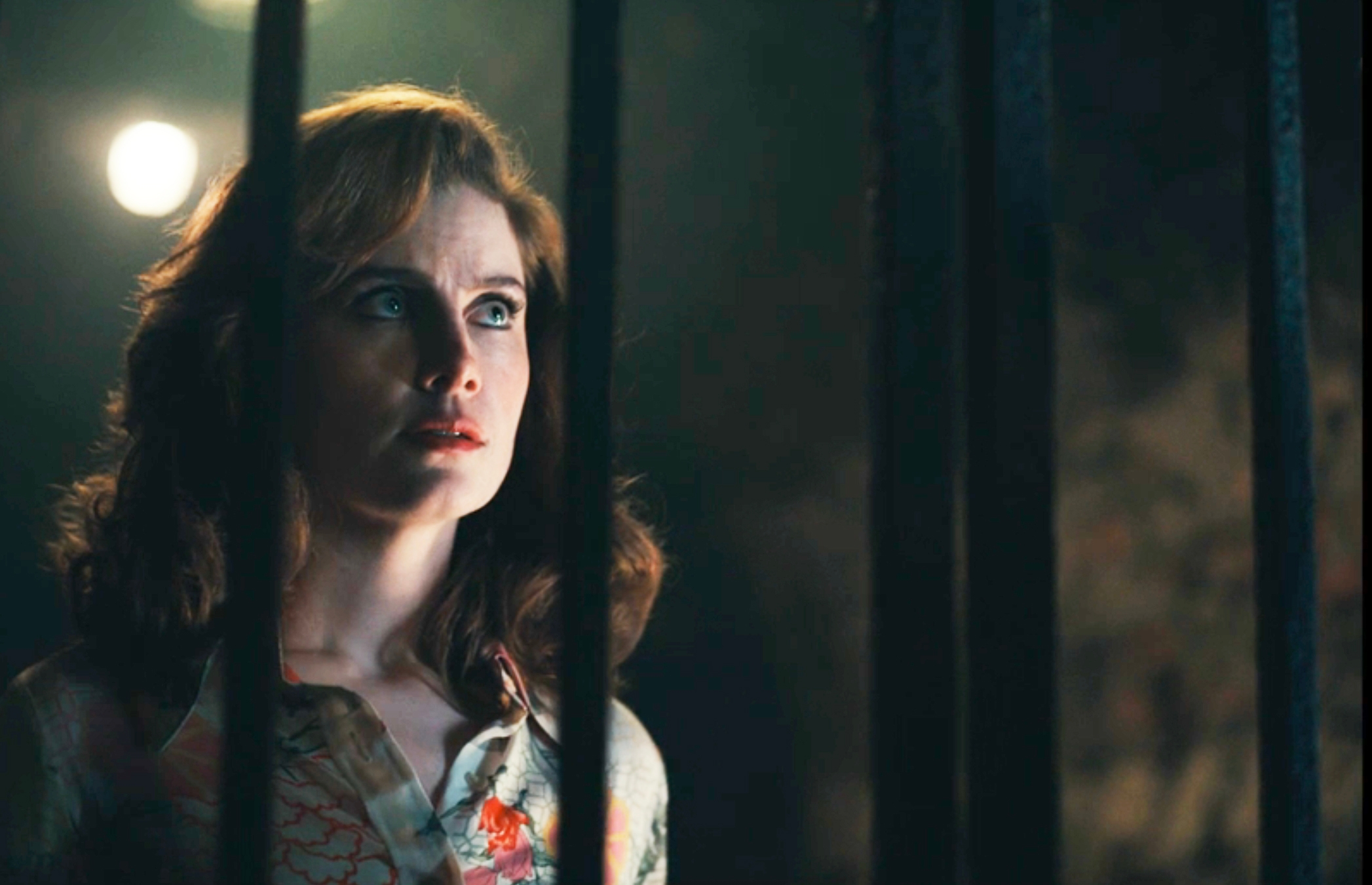
We knew that Vic could be the funny parts of Cheryl, and we needed to know, in the audition process, like, the dramatic parts, too. The scene in the last episode where Cheryl is getting interrogated, that scene basically began as an audition scene that we then just backed into finding a way to have it in the show. Vic was so great in their first audition, and then we had them audition with this dramatic scene where Cheryl needs to cry at the end, and Vic just shook us. They were so good.
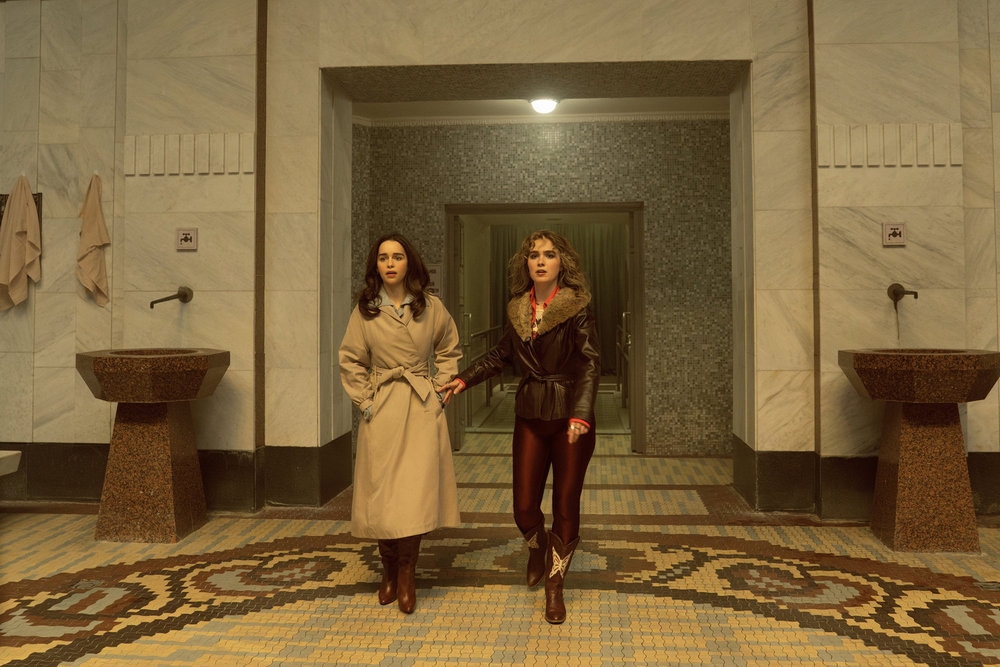
Susanna: Part of the sell was that we wanted to make a show that felt fun, and a lot of the Cold War stuff we'd watched, and just spy content in general, takes itself so seriously because of how high the stakes are. So it's not really getting into what's beautiful about the city or what's going on in these people's personal lives. You're not really mining the full spectrum of experiences that people are having in their lives. You're just going for the highest spy stuff. So as a result, it's really drab and dreary, because they're trying to conjure up the sense of danger by showing everything as really gray in that part of the world.
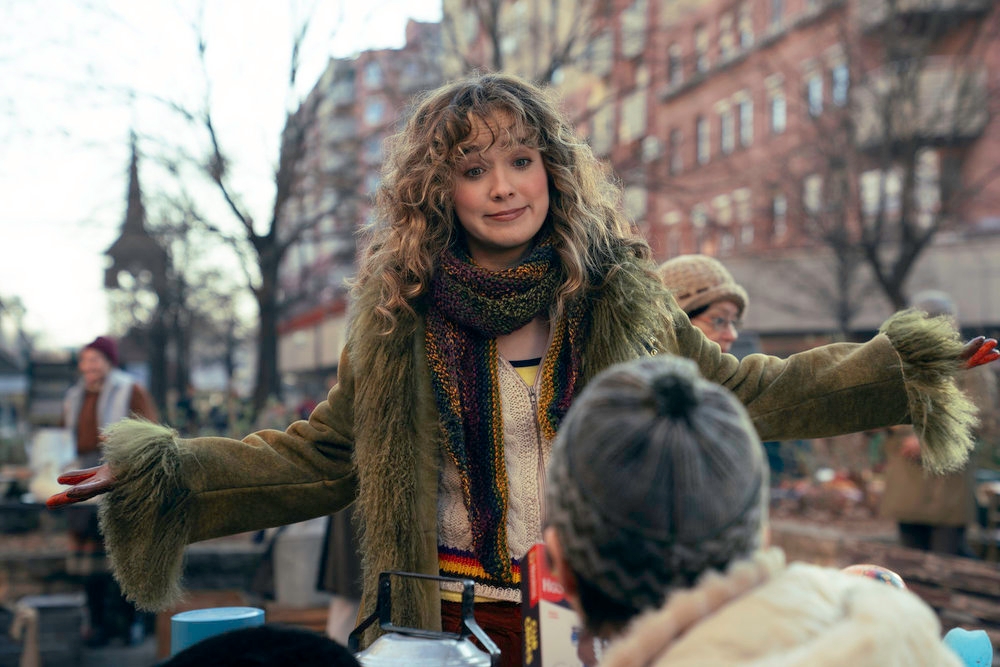
But actually, when you look at pictures, photos of people on the streets of Russia, and they're wearing bright orange coats and plaid, and they're kind of trying to approximate Western pop culture and American culture. So there's an explosion of unhinged creative self-expression through style. We wanted that to be a big part of the show, too, not just because it was real, but because it feels fun to watch. And we wanted the show to feel fun to watch. So the color and loudness of that and the confidence of that felt like both appropriate to, like, a '70s show and different for a spy show. We could use your '70s zooms and your aspect ratio on '70s spy TV show; you're missing an opportunity. So, we were like, Let's just do it all. It was really fun.
David: When you hear a song, you can be transported back in time, and that was a very early part of this show, that was putting together a Spotify playlist. When we tried to sell the show, we also sent out a playlist. I think that was really helpful for people just reading the scripts, to be able to, like, feel the excitement of the show.
I'm most excited by the very first song and the very last song. Both of which I think were really big gets. I mean, getting "Second Hand News" by Fleetwood Mac was really exciting, and getting "The Stranger" by Billy Joel, too.
It was really fun, too, because we had licensed these two Fleetwood Mac songs, so we had them on the line. So, I just decided to, like, throw a Hail Mary. And I was like, "Do Lindsey Buckingham and Stevie Nicks want to write our theme song?" (laughs) We got back, "No, but they will let you license a song from their, like, 50-year-old, newly in print album." So we got to be, I think, the first show that got to use a song from the Buckingham Nicks album, which was really cool for us.
Susanna: I think for both of us we've both worked on, like, comedy-comedies and more serious things. But in everything that we do, I think what unifies it is that the people are funny, like there are funny people in serious situations. At the most serious, they're funny people that are shown in dramatic and funny lights, depending on what's going on. I think even in the show that I did, that was about World War II and Anne Frank, the whole premise of the show was this woman was a spunky, alpha female, with a sense of humor, doing the thing that's very serious. So, in terms of tone, just grounding the tone throughout. It sort of comes down to this: This is how we interact with our world, as high-stakes as things are. It doesn't mean we're making ironic light of serious things when they're happening to us, but when we're in a relaxed moment, we're probably joking about it in order to process it and deflect it.
I even think about my grandmother, who died at 102, and it's like, when she experienced the 20th century's most horrific events, she was still the spunky woman who joked all the time. So, it's always a balance.
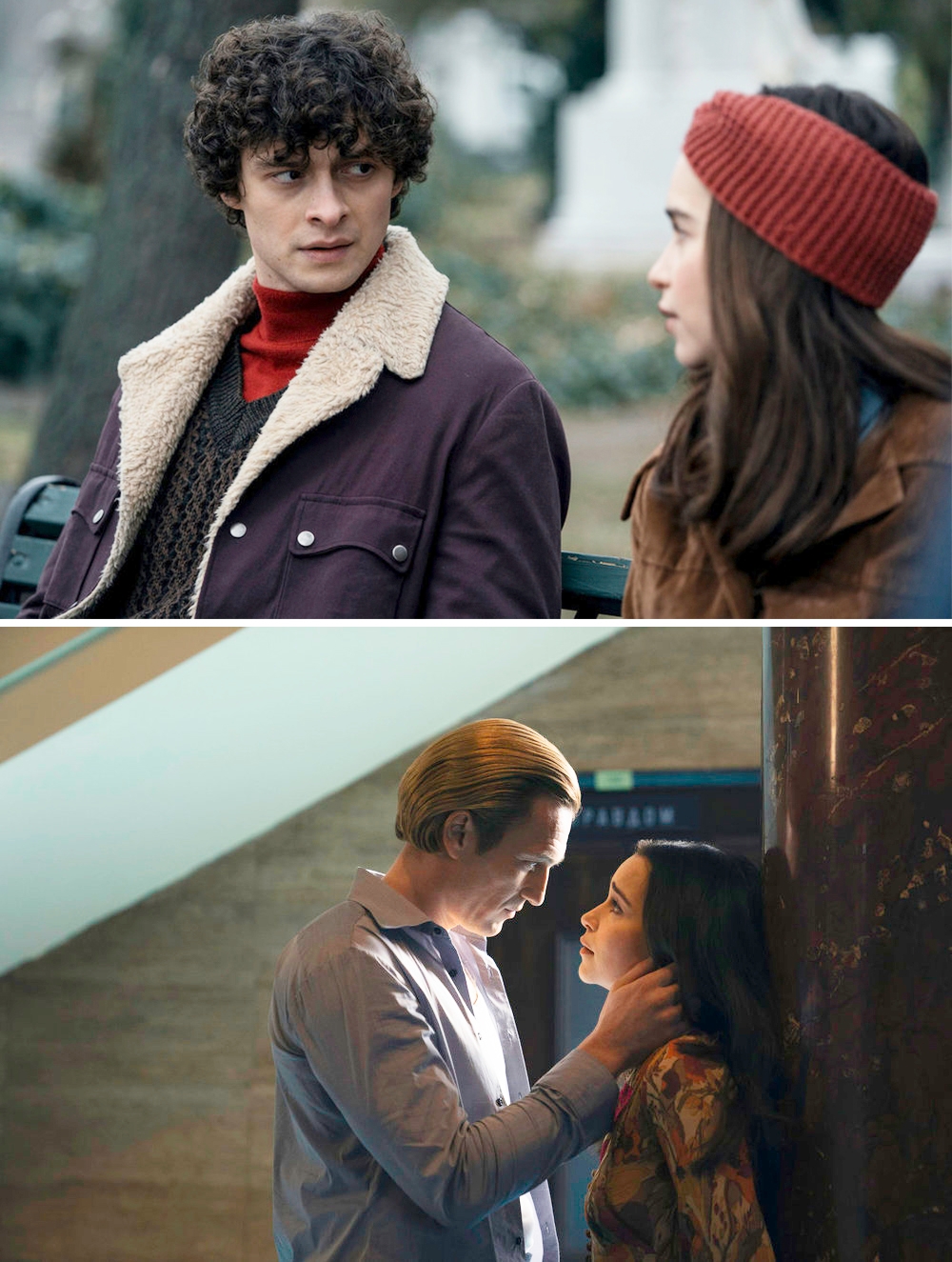
David: We were always trying to find the balance. Twila had a much more fraught relationship with her husband, but Bea was definitely, very understandably...[it's] a really great tragedy for her. We didn't want to overdo how quickly she falls into a love triangle without paying respect to her emotions. So it was striking the right balance there. These characters of Andrei and Sasha existed on the page, but when we found the actors and the chemistry... Even with all the scripts written, there was a moment in Episode 6 where Bea and Sasha are dancing. I remember watching that, and it deepened my feelings for these two characters who may or may not be able to really find happiness together. We know that it would be too complicated and too unlikely. But having what those actors brought to it was able to move me as somebody who was there and knew them before we cast them.
I think for Andrei so much of that was also would we be able to strike the right balance of somebody who is a villain, but also has sexuality and we really found that with Artjom [Gilz], who was able to bring this sort of Paul Newman, David Bowie, kind of energy to it that makes your feelings very complicated as an audience member, and also makes Bea's feelings very complicated.
So I think all of those things, what the actors bring, what's on the page, how the characters look, how they're designed, all kind of come into the stew of how Bea feels about these people and how the audience feels.
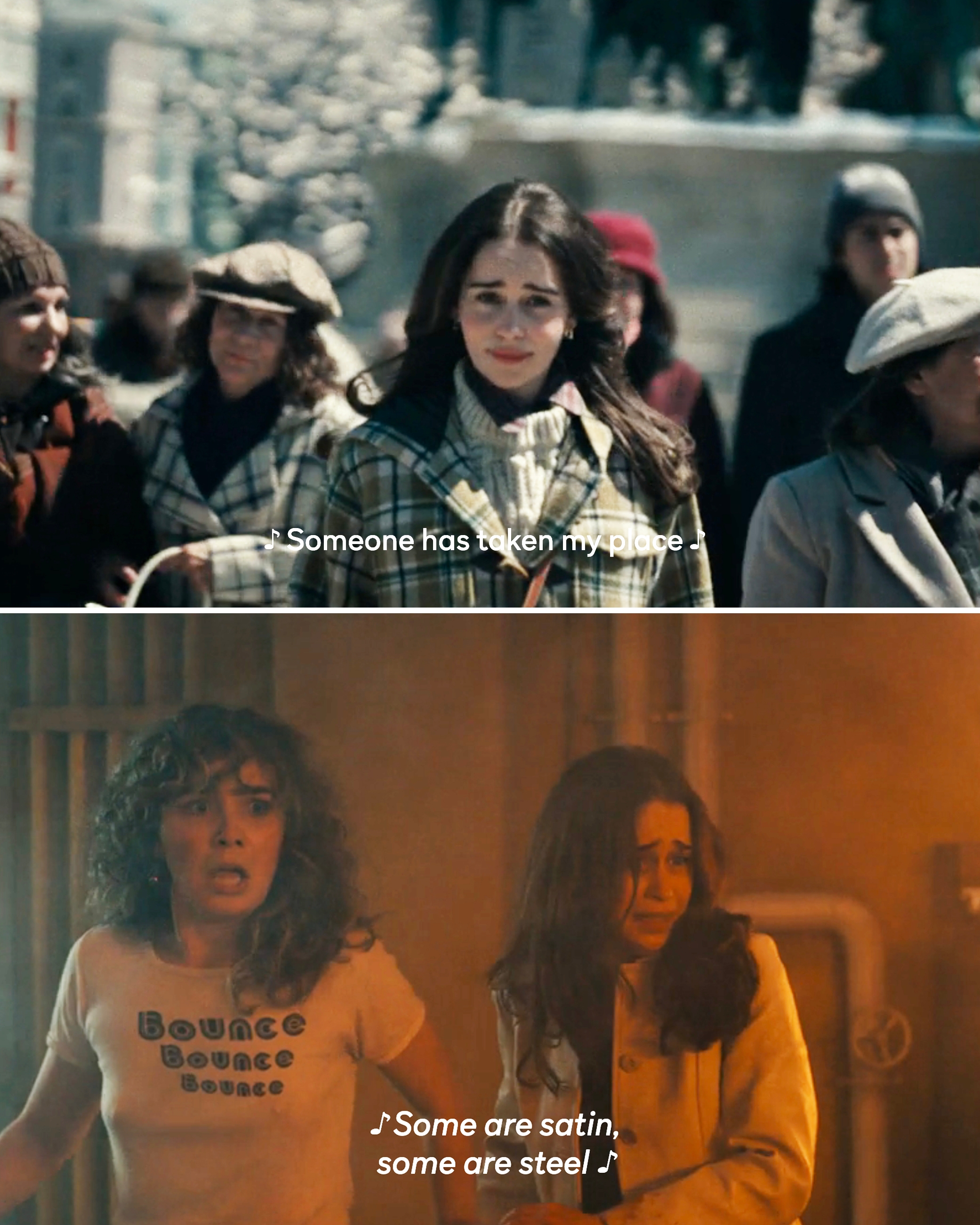
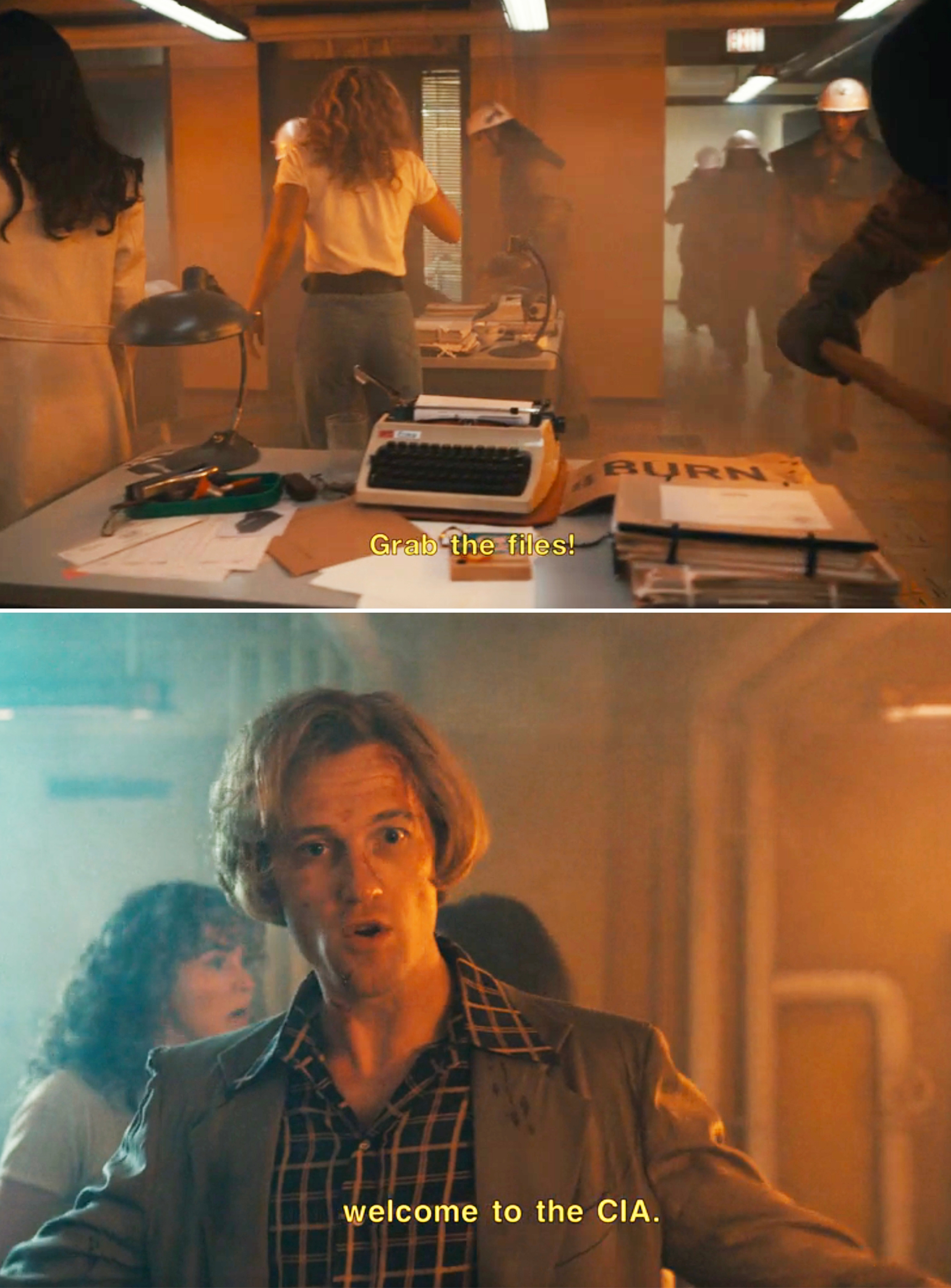
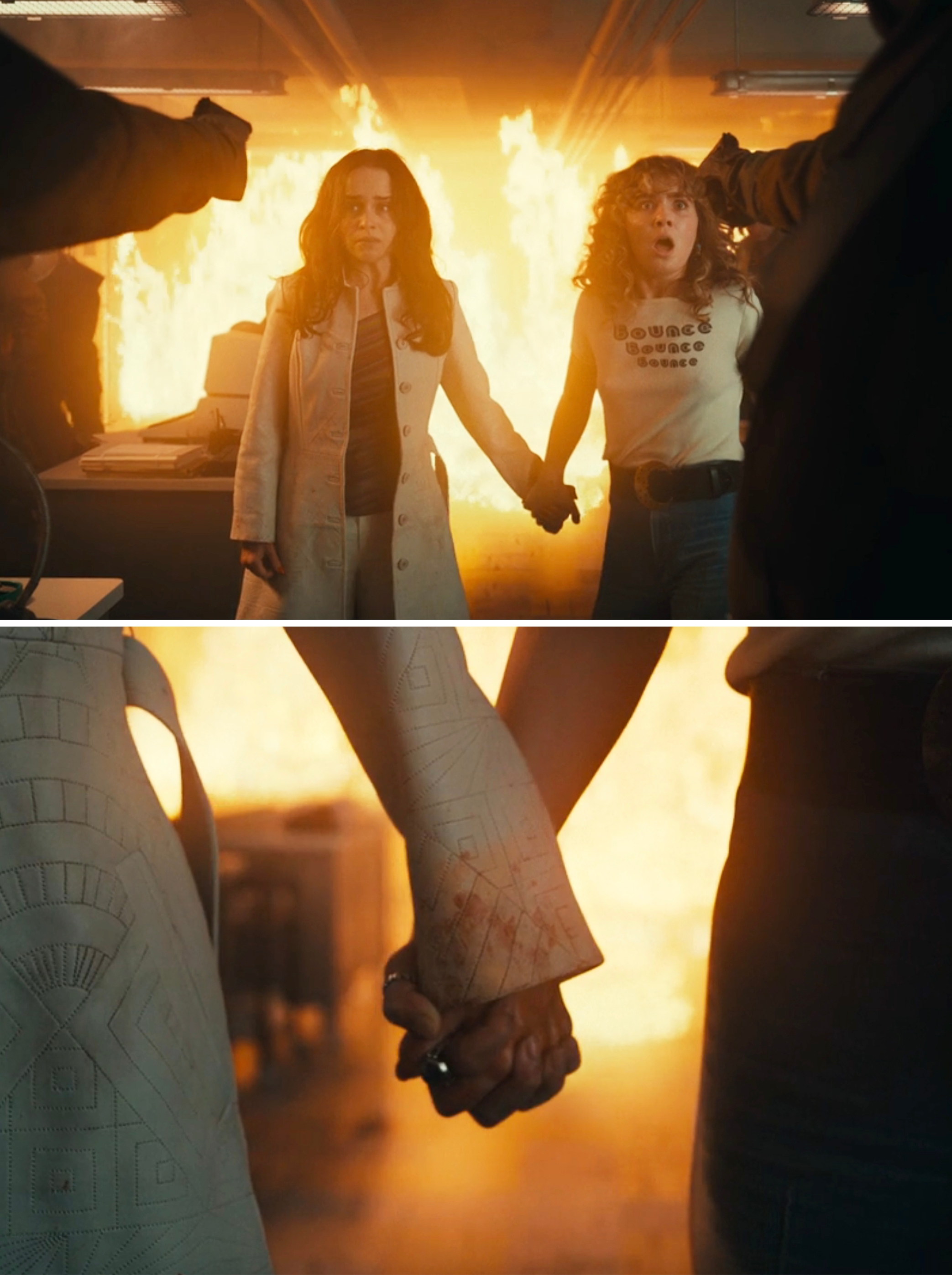
David: It was a very constant conversation of exactly how we were going to land the very last moments of it. The fire in the embassy is a real thing that happened. A real historical event that we found that a possibly deliberately set fire in the US Embassy, and KGB dressed as firefighters running into the offices trying to steal documents, like that was a real thing. So we wanted to build to that. We knew that they were going to think that they defeated Andrei, and the fire was going to happen, it was going to turn, but maybe they still have one last card to play, because we would have that final shampoo bottle and the holding hands.
David: Honestly, it might have been something that was just a small piece in the script. I do remember, it might have been Haley Lu talking about how moved she was by having that as the final image. I don't even know that it was something that Susanna and I deeply talked about. It just kind of lived in the script. Then our actresses were so we're so moved by it.
Susanna: Everything else changed a little bit. And Haley was kind of like, "I don't care what you do in the last episode, you gotta keep the holding hands." It's not a journey from hating each other to loving each other. It's also not one of those friendship stories where they have some friendship ending fight over a dumb thing, and then they find their way back to each other. It's more like a real friendship, where they're pissed off and don't trust each other, but they don't hate each other, and they're not, like, risking their lives not to talk to each other in a moment. They're still sort of coexisting with their detention in the friendship, which feels real.
So at the end, it's a journey of Twila learning to have intimacy in a friendship at all. So you do want to feel satisfied that they're in this together at the end. It's a high-stakes situation, and they're each other's person at this moment.
David: Cheryl was the mole pretty well before the writers' room, yeah. I think we hooked into it as this idea of, like, being underestimated is such a theme of the show. I think that there are twists that feel so natural in spy shows. I don't delve too much into, like, online stuff, but I got a sense that some people did predict that if a husband was dead, a husband was alive, and I get that. I think we were just trying to figure out who would be the least likely person working for the Soviets. And who would Twila underestimate? If my memory serves, it was pretty early, like, once we started conceiving Cheryl, and we wanted to give Cheryl a very valid arc over the course of the season, that Cheryl would be the mole.
Susanna: It was funny in terms of thinking about a Season 2 that the marine that interrogated her was so good and had auditioned for another role, and so we remembered him, we brought him in. And then, we started thinking, God, he's so good, like it sort of inspires you to think, Well, he definitely suspects her in that interrogation, if not of the big things, he definitely suspects her of something. It was inspiring to think about, when you work with an actor like that, even for one day, you're like, Oh, maybe he's around the office in Season 2. I think the stories get richer as you work with people, even in their smallest roles, and you want to bring them back and have them be part of the show's fabric.
Susanna: I have all of my secret Rhode Island Easter eggs, which is only because obviously, we try to make everybody specific to places. Like, there are references to Freehold, New Jersey, where Dave's from, and Rhode Island. Actually, Nick Podany, who plays Ray, just texted me before we got on this call, saying, like, "I had a couple friends say, like, 'Who's from Rhode Island? Because she mentioned this one thing.'" It's like you got to really know.
I would say, Del's Lemonade, which is a Rhode Island-only frozen treat. And there were moments when you know you're making cuts to the episodes, you're like, Okay, this monologue is going on a little long. Can we cut it down? And I was like, "No, my Waterloo is the Del's reference, and it will stay. It lives. It must stay."
So I would say the little Rhode Island shoutouts, only because when I was watching TV and growing up in a really specific town, and anyone would say anything that was like, was a place where I was from, it just felt, like, warm and fuzzy. And I'd love to give that to some little Rhode Islander.
I also have a friend who went to Wellesley. And every time there's a Wellesley reference, she would send me a screenshot and like, "Who went to Wellesley?!"
David: I think the mix of real things and fictional things and those things merging is really, really exciting to me. So, like, knowing that George Bush was the head of the CIA only in our pilot episode was just a fun detail to throw in there. Elton John did a concert in Moscow. He did it in 1979, and we're setting it in 1977, so we took some artistic license, but like, when we'd seen that that existed, it felt like such a thematic idea of Soviet culture and Western culture mixing. We knew that it would just be the perfect place to put this cliffhanger at the end of Episode 7. And then we get to have this very British-American setting, happening in Moscow for this moment. That felt like that is the essence of the story that we're trying to tell.
Susanna: I feel like the finale kind of has everything that the show is dialed way up, including the Elton John show part.
BuzzFeed: Patrick Fabian was so good as George Bush. I didn't recognize him at first
Susanna: He was incredible. Our producer, Jessica Rhoades, had worked with him in London on a show. We were really drawing a lot from that London talent pool for casting.
David: So basically, every Russian speaker who lived outside of Russia on the European continent definitely auditioned for our show.
Susanna: And in Tanya [Ivanova]'s case, who plays Vera, the continent of North America as well.
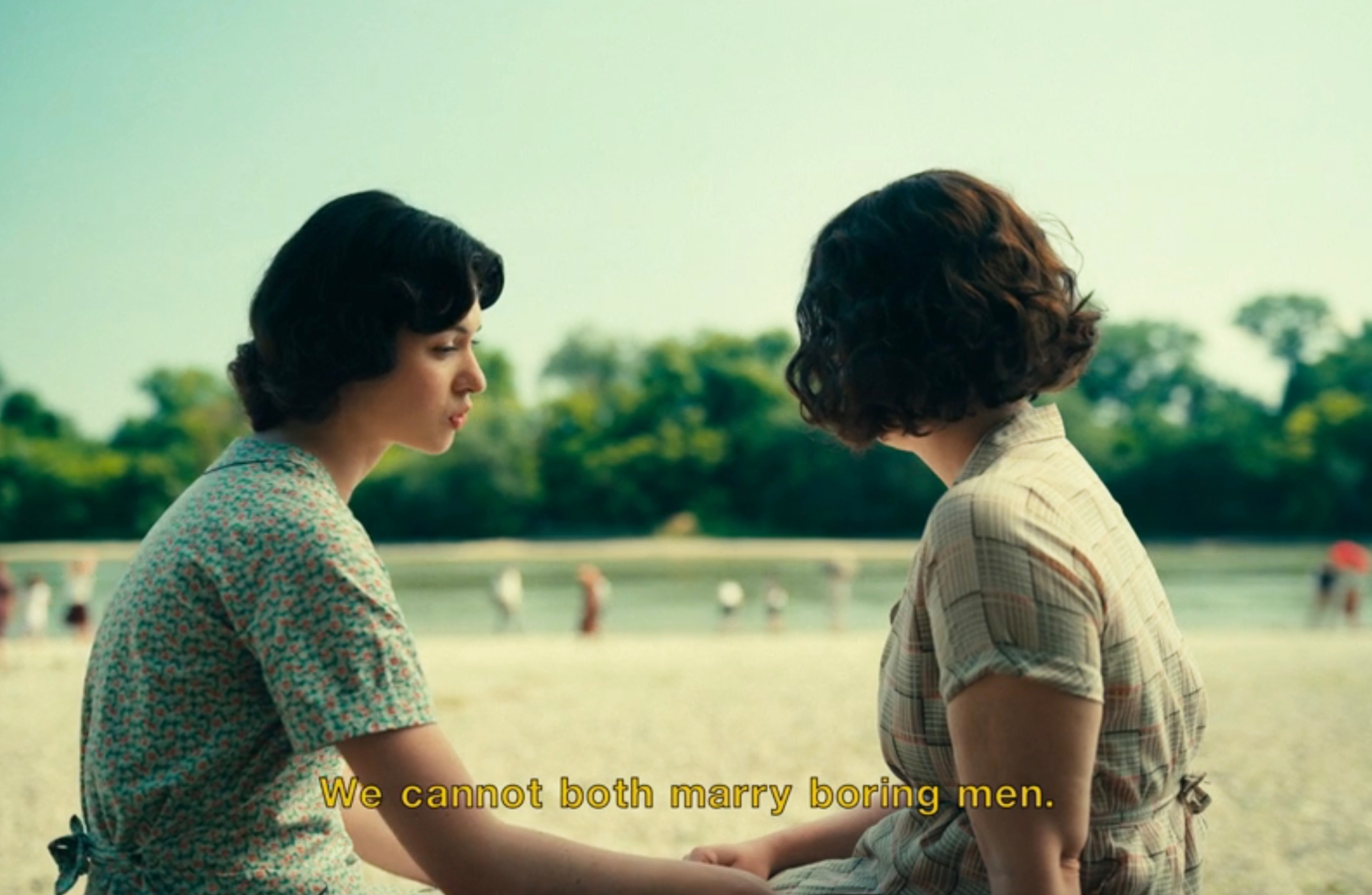
We found, like, the actresses who played young Manya [Sofya Kryuk] and young Sofia [Elisabeth Snegir] in the final episode, that we were really looking for some unknowns, and we found two beautiful Russian-speaking actresses. If you are a Russian-speaking actor in Europe and you didn't audition for our show, you should definitely call your agent.
Susanna: Actually, the girl who played young Manya was, I think, in the process of trying to move to London, but she lived in Latvia, and she did her audition from an internet cafe, didn't she?
David: When we pitched the show, we had a multiple-season plan, knock on wood that we can execute it. I think there are a lot of exciting things that we know will happen with the pieces that we have set up at the end of the season, with Chris being alive, with a lot of these documents being compromised, with Sasha being exfiltrated somewhere into parts unknown. And Bea and Twila are learning that the CIA was involved in the death of Sasha's sister, and having the idea of who is good and who is bad, being much more muddy. There's also the last shampoo bottle, giving one last piece of things that they can use as leverage against Andrei. Will it work? Will Andrei work for them? Or what is Andrei going to do?
Images from the story

End of article